


0

Virtual Reality Simulated Patient Encounters

Reset

EMS Trauma—Stabbing

In partnership with: VALOR Program

Book Demo

Scenario Information

Room size: 13x13
Learner Population: EMS/Prehospital, Physician/Advanced Practice Provider
Language: English
Setting: Outdoor, Ambulance, Home
Patient Gender: Male

Scenario Description

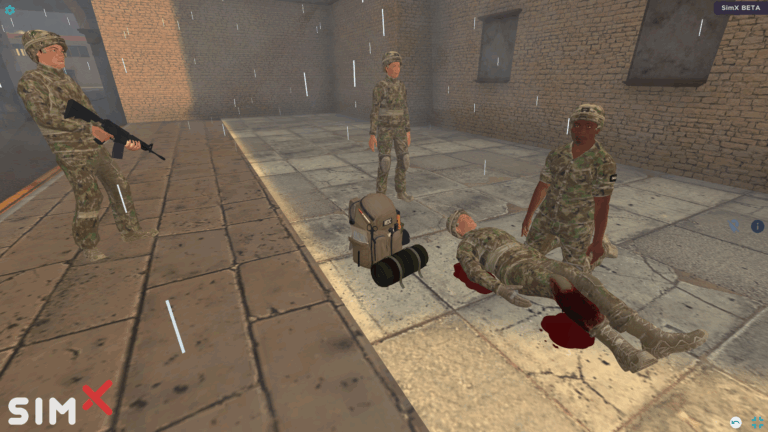
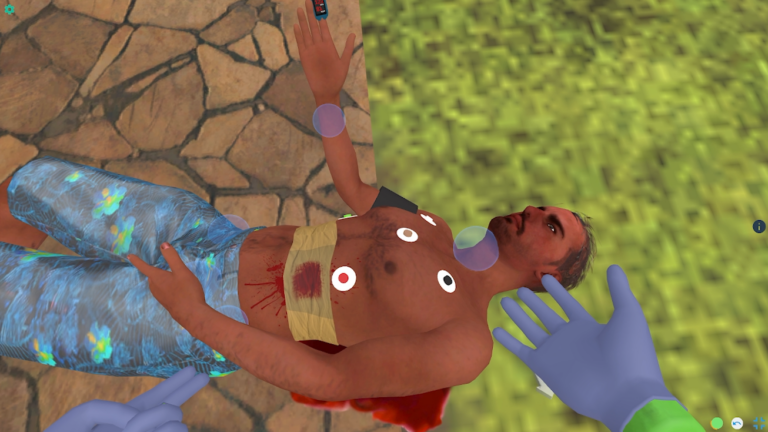
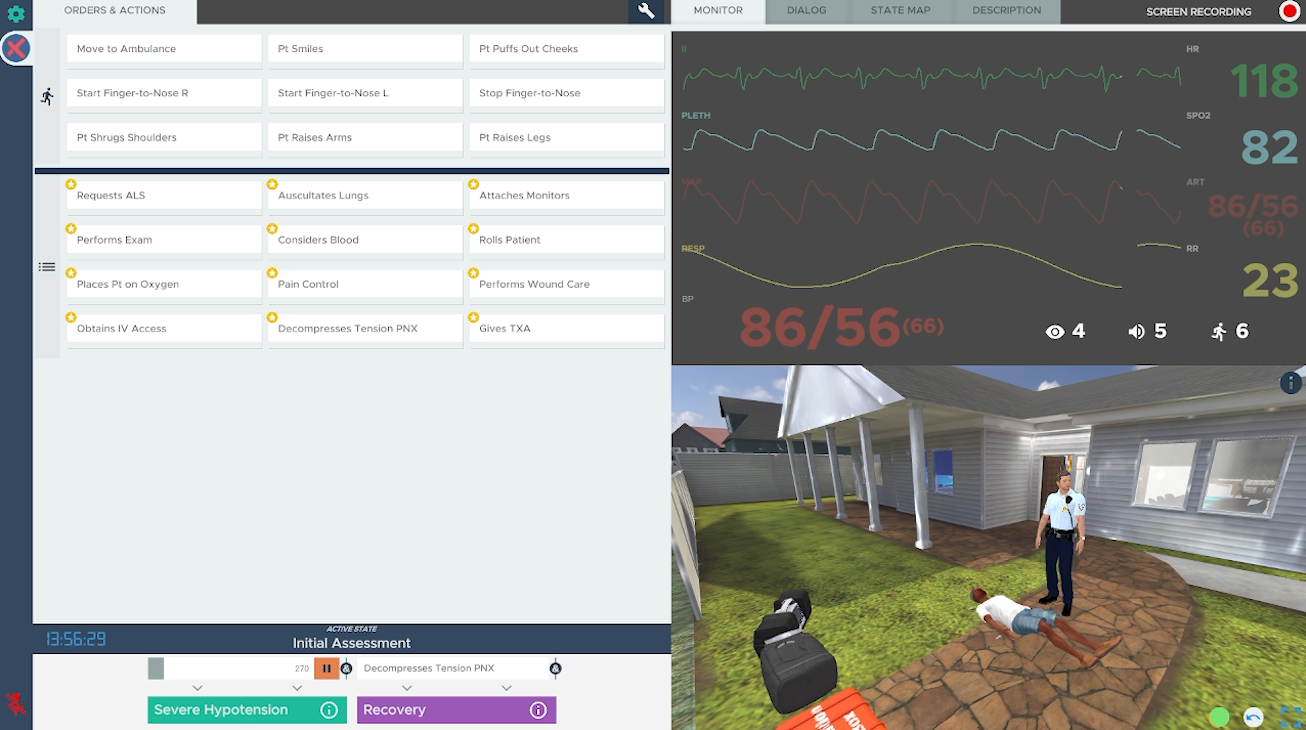
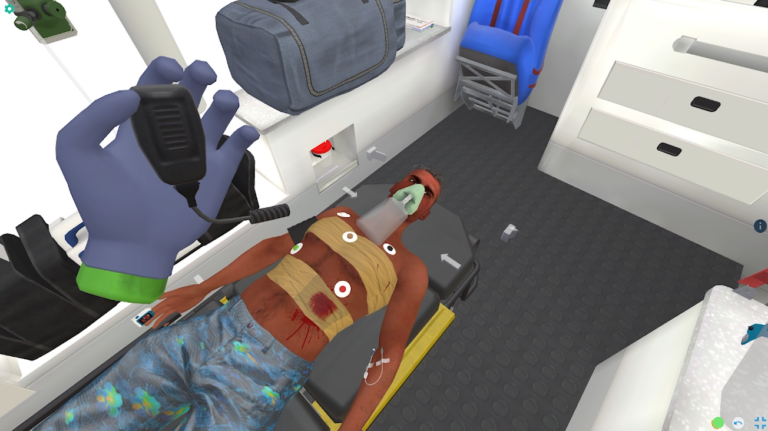
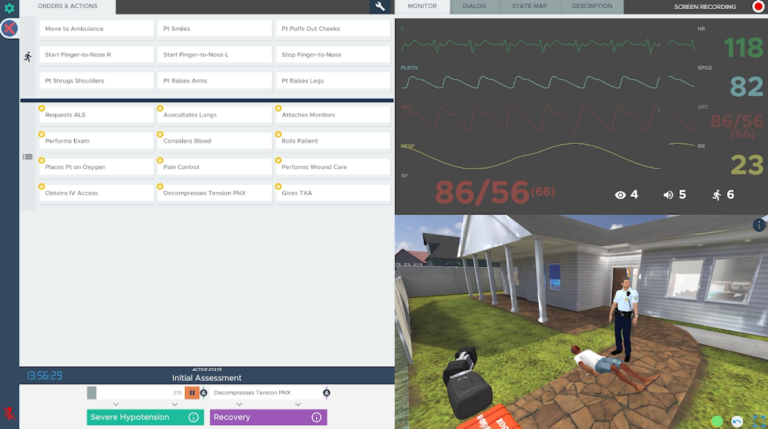
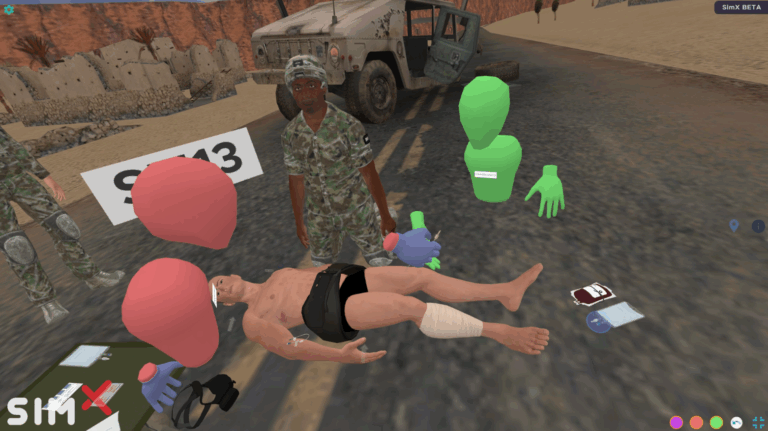
Learner will arrive on-scene to find a 19-year-old male patient on the ground after having just been stabbed in the left upper quadrant and left upper back (only visible when rolling patient). Learner will perform an initial assessment and identify that the patient has a bleeding wound to the abdomen and absent breath sounds on the left side. Initial vital signs are HR 140, BP 75/54, SPO2 75% on RA. Learner should diagnose a tension pneumothorax, place the patient on oxygen, and immediately transport the patient.

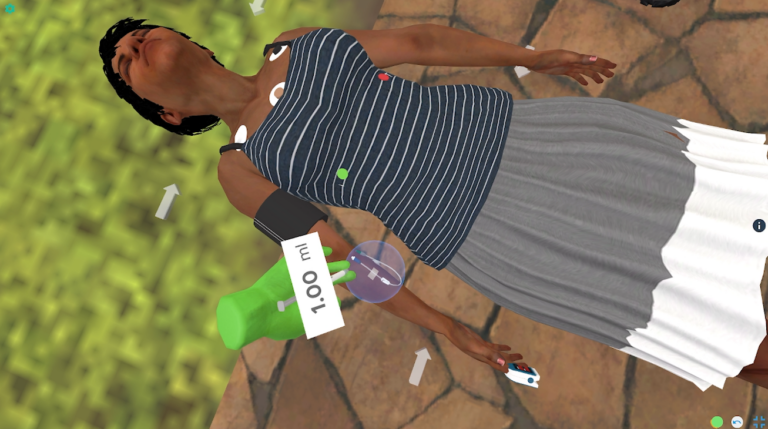
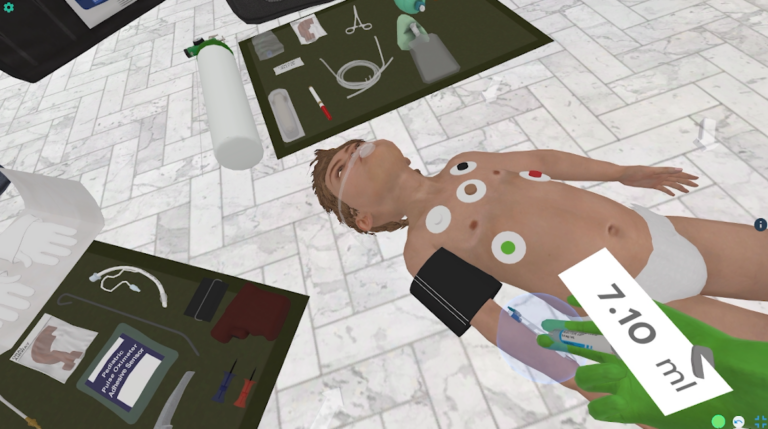
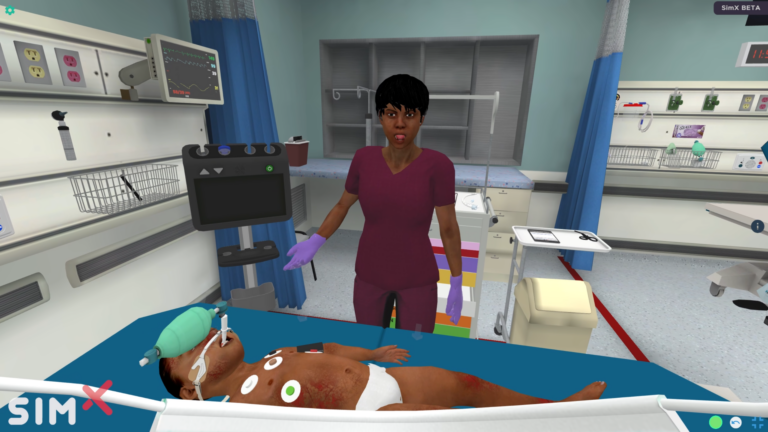
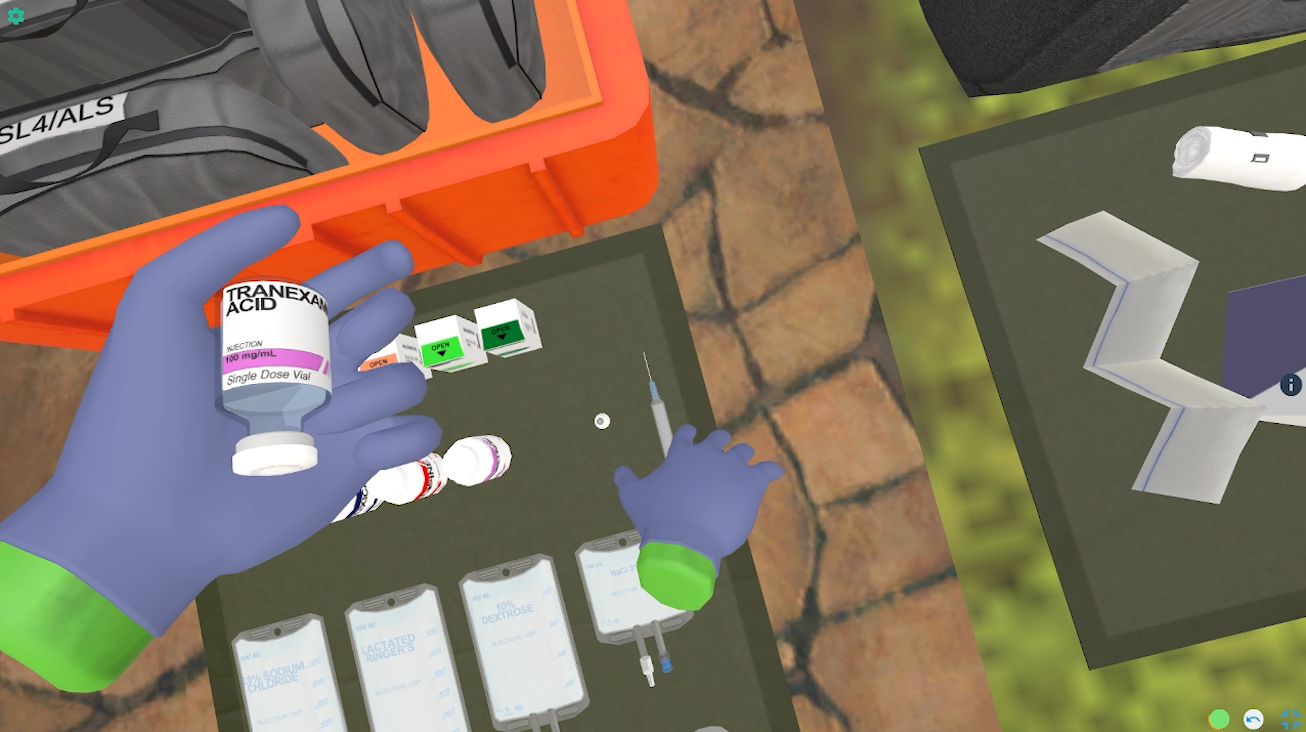
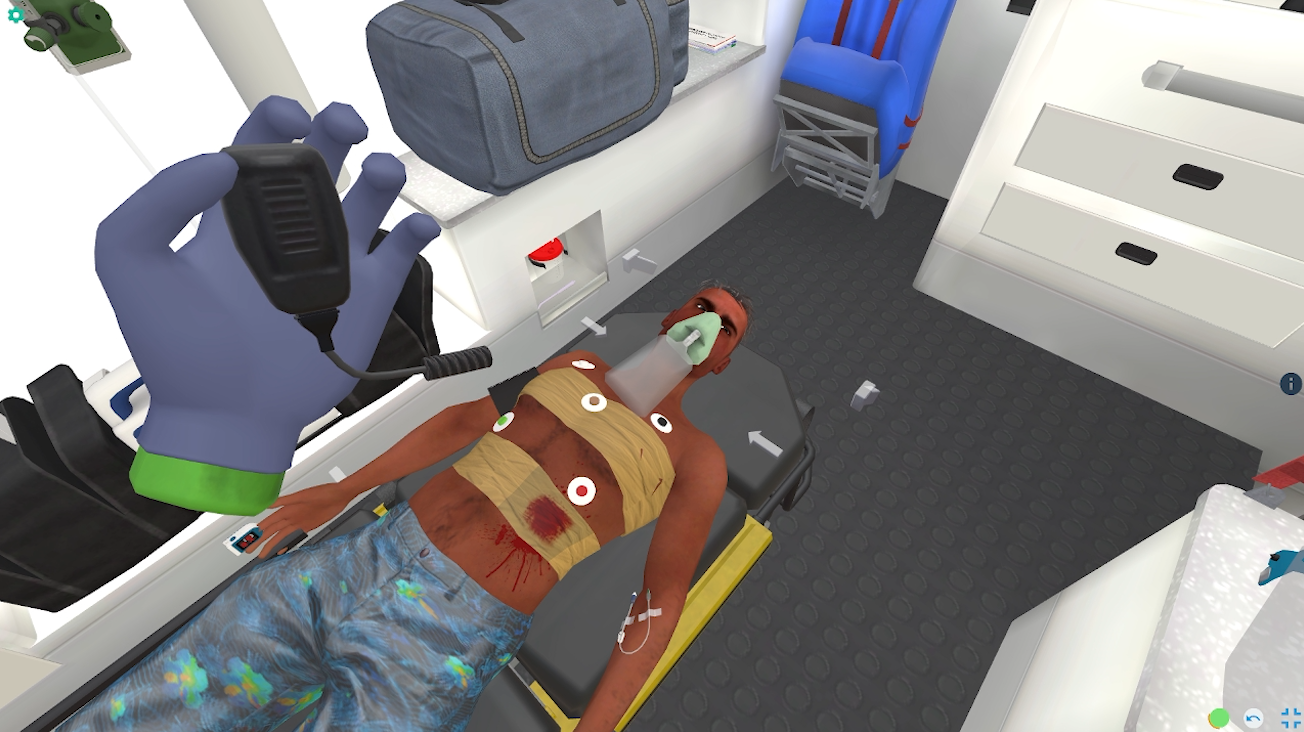
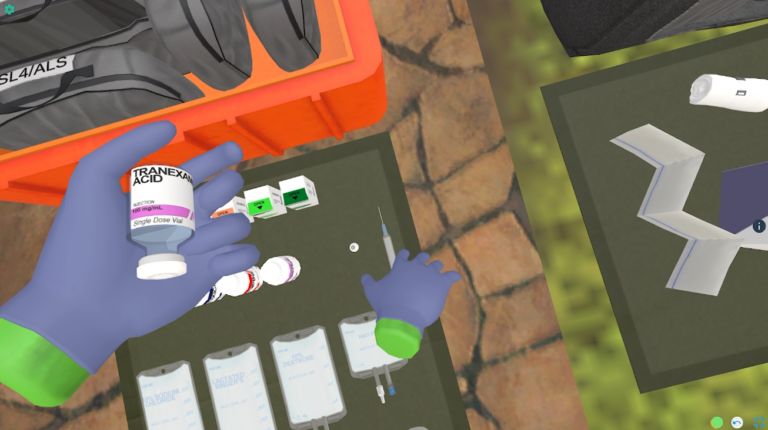
Advanced providers (ALS, SL4) should perform immediate left-sided needle decompression. En route, Learner will continue resuscitation, and advanced providers should consider other adjunct treatments such as TXA and whole blood.

Learning Objectives

1. Assesses scene, identifying any potential safety concerns, number of patients, presence of bystanders, and additional resources available.
2. Conducts primary survey and obtains vital signs with attention to the following:
a. Determines level of consciousness and identifies mental status impairment.
b. Identifies any signs of airway obstruction, hypoxia, or any observable breathing difficulties.
c. Identifies any profuse bleeding, signs of decreased or absent circulation, or any pulse deficits in extremities.
3. Performs immediate interventions to address concerns identified during the primary survey.
4. Determines priority of transport.
5. Conducts a secondary survey to gather additional pertinent HPI and PMH and conduct a focused physical exam.
6. Performs any necessary medical interventions to ensure patient stability and safety during transport.
7. Contacts Medical Direction when indicated.
8. Provides verbal report summarizing patient encounter.
9. Diagnoses pneumothorax with tension physiology and administers appropriate treatment.

MINIMUM:

OS: Windows 10
Processor: Intel Core i5-2300 | AMD FX-4350
Memory: 4 GB RAM
Graphics: Nvidia GeForce GTX 2060
DirectX: Version 11
Storage: 12 GB available space

RECOMMENDED:

OS: Windows 10
Processor: Intel Core i7-2300 | AMD FX-4350
Memory: 8 GB RAM
Graphics: Nvidia GeForce GTX 3060
DirectX: Version 11
Storage: 12 GB available space

You Don’t Have to Figure Out VR Alone

Our Team Clinicians Will Guide Every Step
Expert education, support, and curriculum integration services are available for this scenario by trained educators and clinicians.
Explore Solutions

“I would recommend SimX VR technology to anyone.”

Jenny Patton CEHRS Manager of Medical Training Platforms