


0

Virtual Reality Simulated Patient Encounters

Reset

Pediatric Blunt Abdominal Trauma and Hemorrhage

In partnership with: Children's Mercy Kansas City

Book Demo

Scenario Information

Room size: 15x15
Learner Population: Nursing, Interprofessional, Physician/Advanced Practice Provider
Language: English
Setting: Emergency Department
Patient Gender: Male

Scenario Description

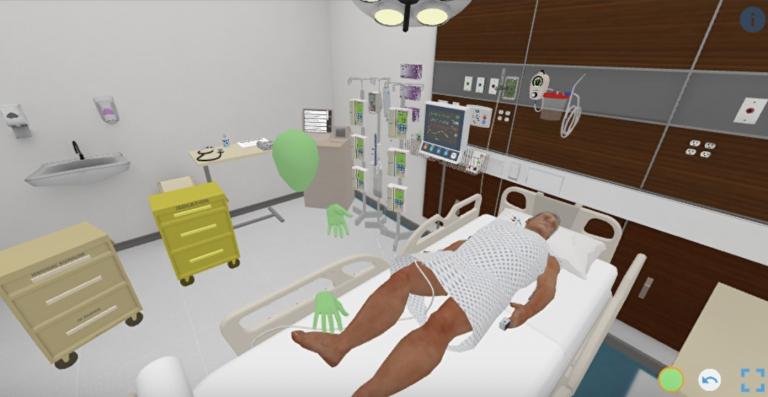
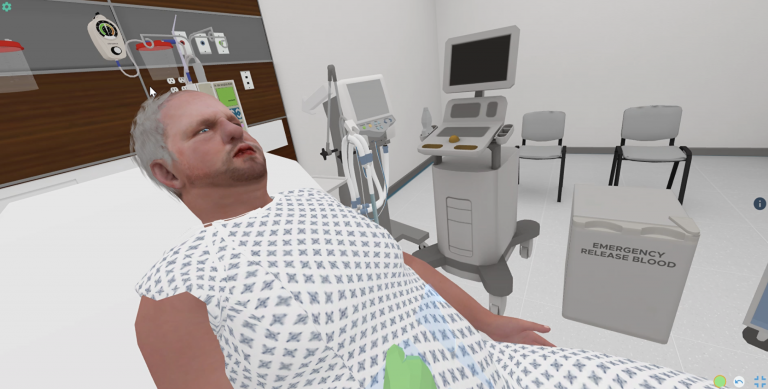
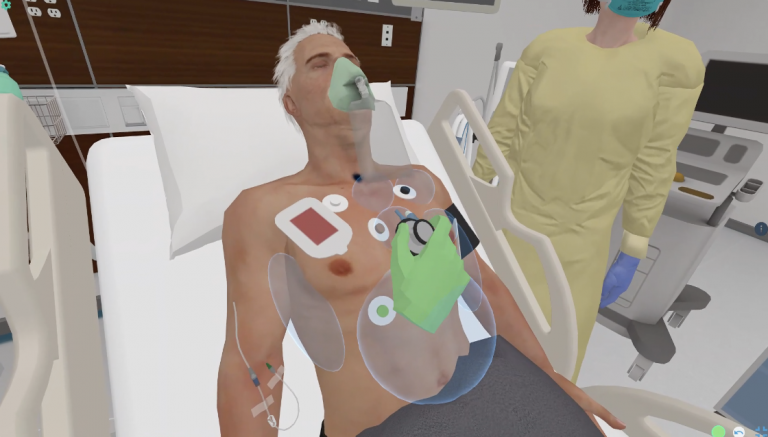
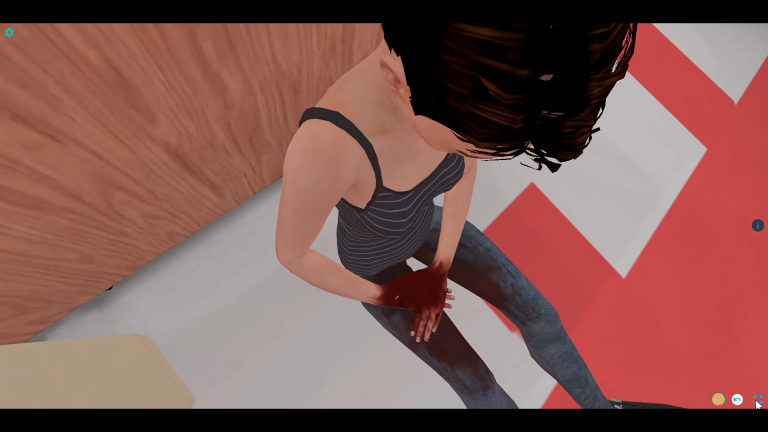
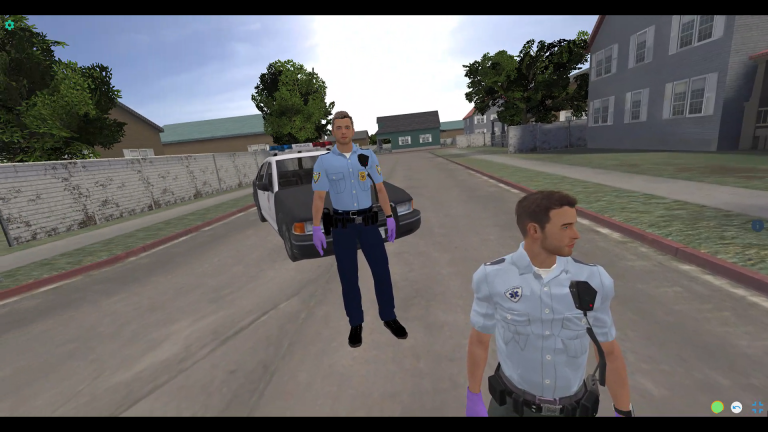
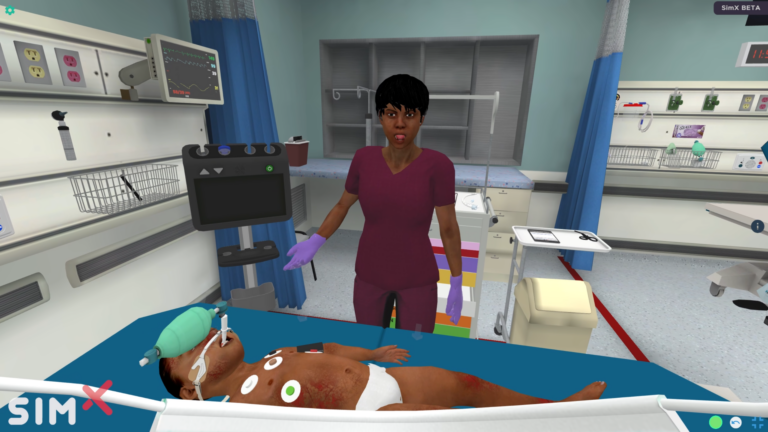
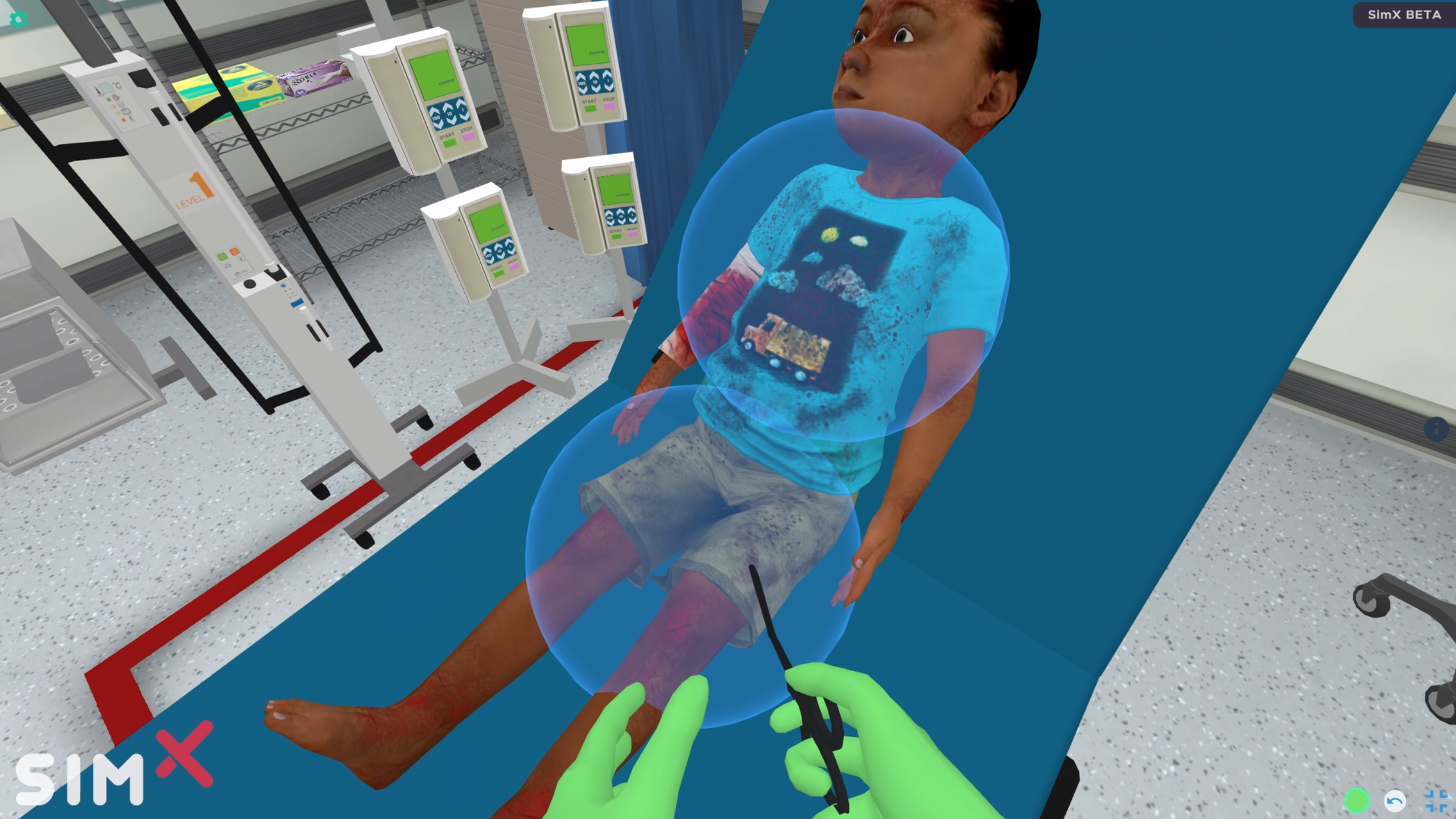
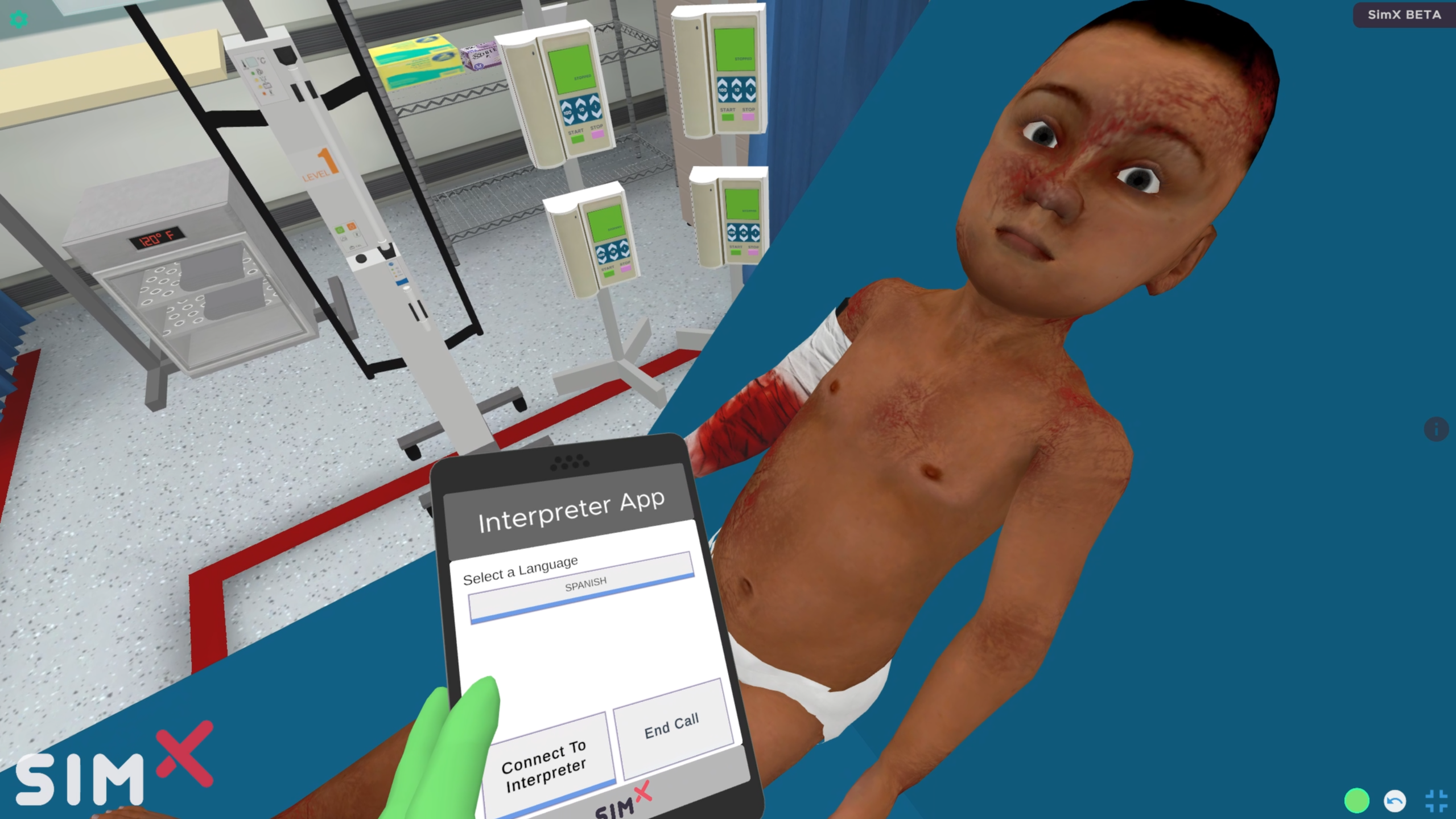
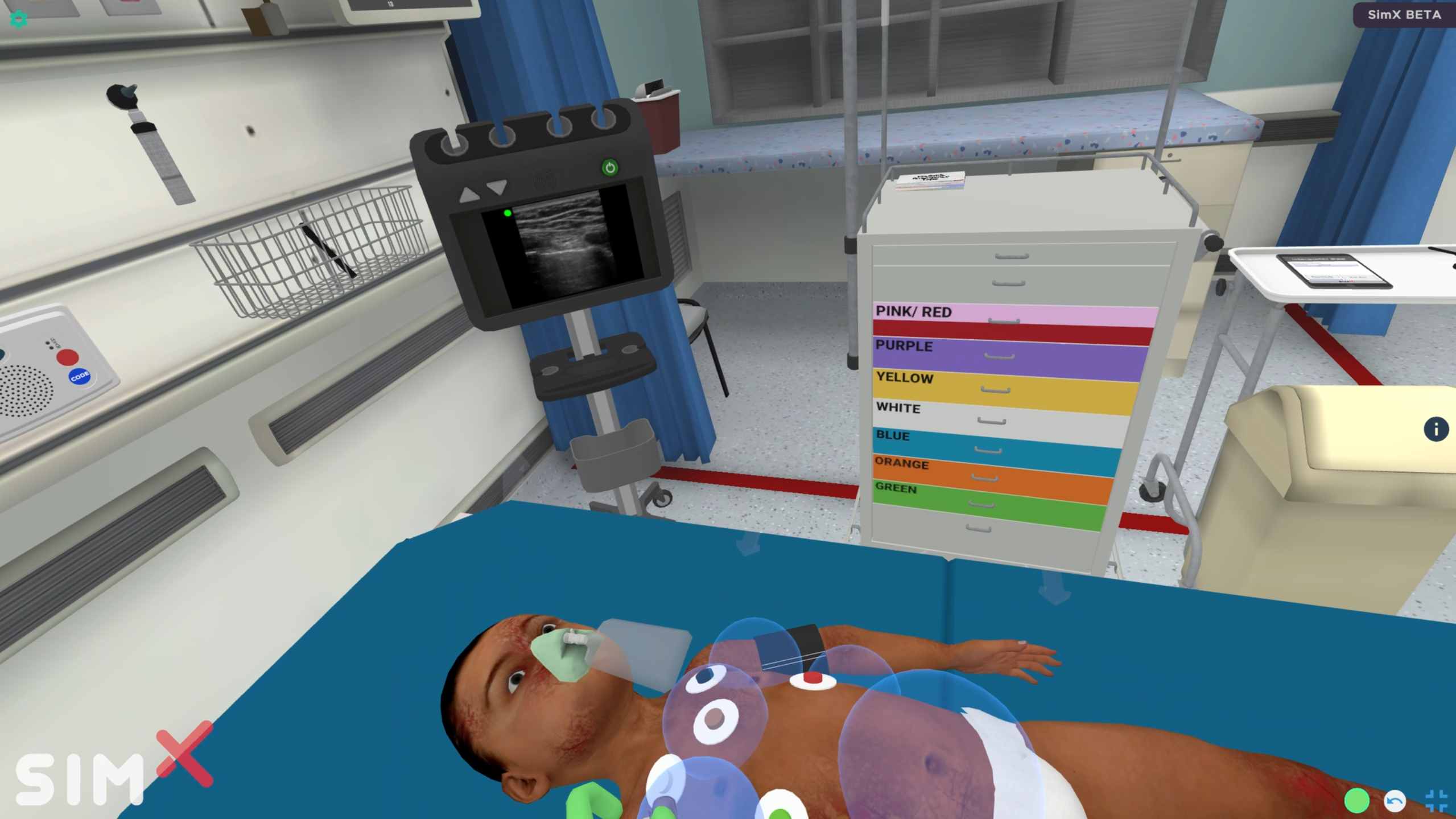
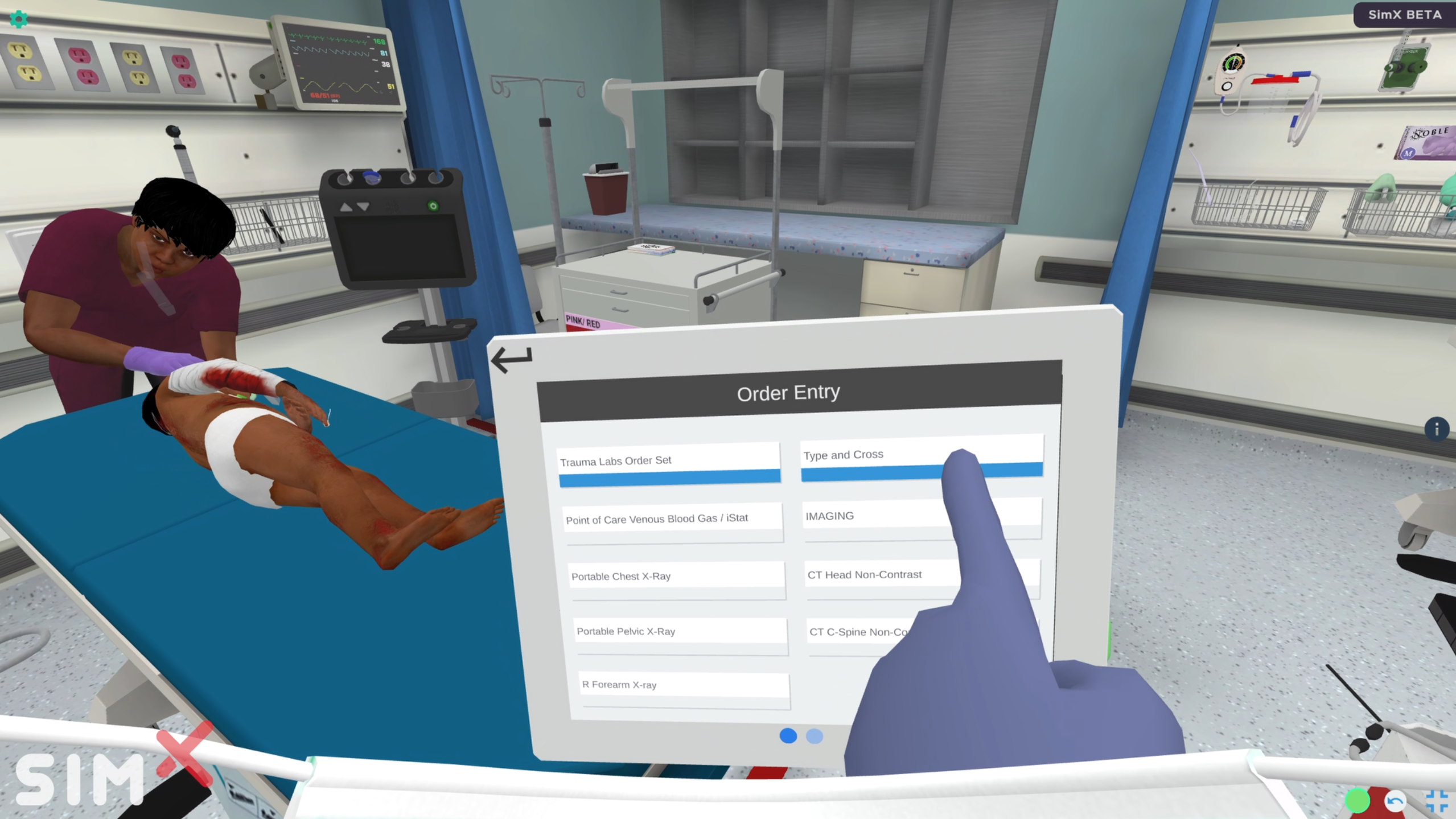
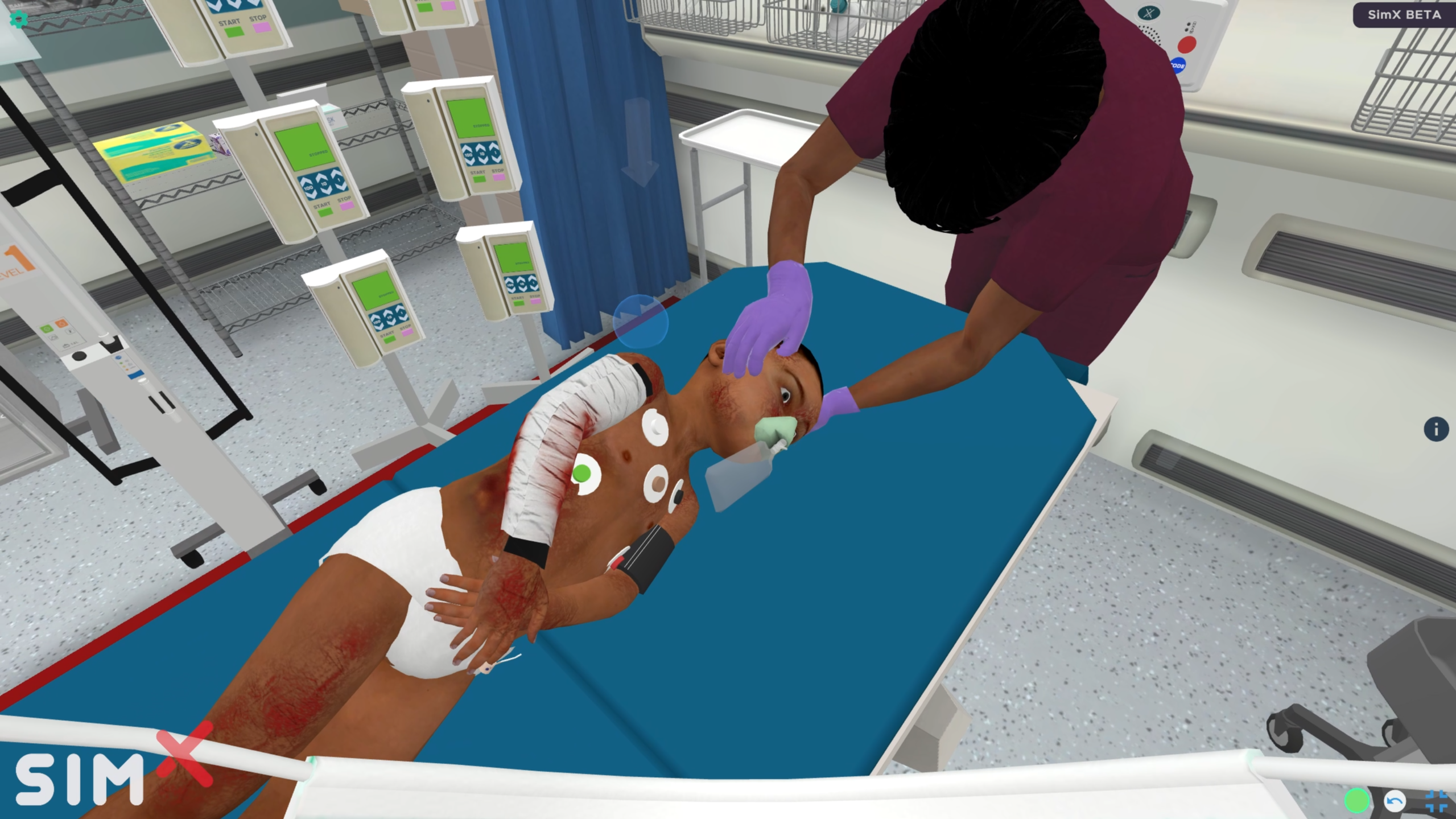
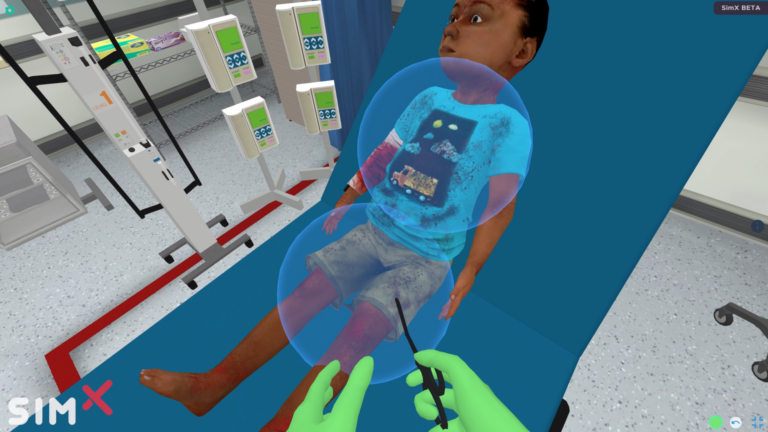
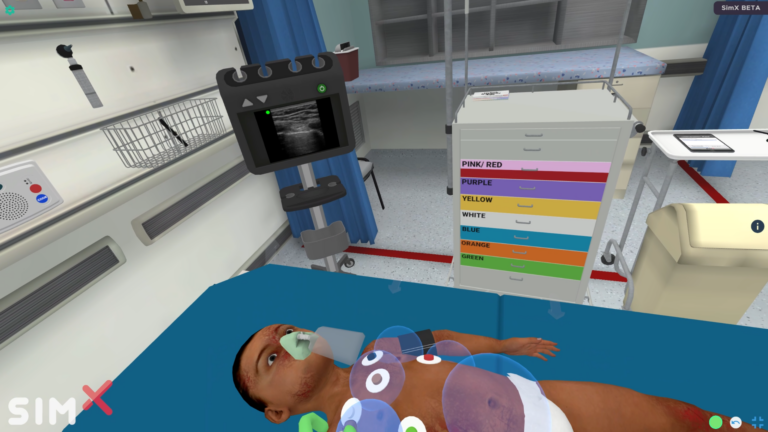
This scenario involves a 4-year-old Spanish-speaking male after he was struck by a vehicle while running across a road. The scenario is set in a community hospital emergency department trauma room. An EMS provider arrives with the patient and provides a report. The patient is an irritable child with blood stained clothing, an open right forearm fracture and superficial abrasions to the face and exposed extremities. Learners should proceed with a primary survey and identify absent right lung sounds, hypoxia, tachypnea, tachycardia and delayed capillary refill. Learners should diagnose a right-sided tension pneumothorax and proceed with prompt needle decompression. Continuing the assessment, Learners should recognize intra-abdominal hemorrhage on FAST ultrasound and identify signs of hemorrhagic shock. After the patient does not respond to a 20 ml/kg isotonic fluid bolus, Learners should start a blood transfusion and prepare for massive blood transfusion. With appropriate treatments, the patient stabilizes for transfer to definitive care. Without prompt recognition of tension pneumothorax and abdominal hemorrhage, the patient decompensates into traumatic arrest. Learners can communicate with the patient via a Spanish interpreter.

Learning Objectives

1. Assessment and Diagnosis: Learners will accurately assess and diagnose a 4-year-old patient with respiratory failure and hemorrhagic shock despite distracting injury utilizing appropriate trauma assessment techniques.
2. Recognition and Management of Shock: Learners will recognize and escalate management for obstructive and hemorrhagic shock in a pediatric patient.
3. Recognition and Management of Respiratory Failure: Learners will recognize and escalate management for respiratory failure in a pediatric patient.
4. Interdisciplinary Communication and Teamwork: Learners will exhibit effective communication and teamwork skills within a multidisciplinary team, demonstrating appropriate communication to subspecialists, ensuring coordinated and efficient care for a critically injured pediatric patient.
5. Cultural competency and Ethical practice: Learners will be able to effectively engage a professional medical translator to communicate with a non-English-speaking patient and/or their family, demonstrating cultural humility, respect for linguistic diversity, and adherence to best practices in inclusive, patient-centered care.

MINIMUM:

OS: Windows 10
Processor: Intel Core i5-2300 | AMD FX-4350
Memory: 4 GB RAM
Graphics: Nvidia GeForce GTX 2060
DirectX: Version 11
Storage: 12 GB available space

RECOMMENDED:

OS: Windows 10
Processor: Intel Core i7-2300 | AMD FX-4350
Memory: 8 GB RAM
Graphics: Nvidia GeForce GTX 3060
DirectX: Version 11
Storage: 12 GB available space

You Don’t Have to Figure Out VR Alone

Our Team Clinicians Will Guide Every Step
Expert education, support, and curriculum integration services are available for this scenario by trained educators and clinicians.
Explore Solutions

“I would recommend SimX VR technology to anyone.”

Jenny Patton CEHRS Manager of Medical Training Platforms