

0

Virtual Reality Simulated Patient Encounters

Reset

PALS Assessment And Resuscitation

In partnership with: Sacramento VAMC

Book Demo

Scenario Description

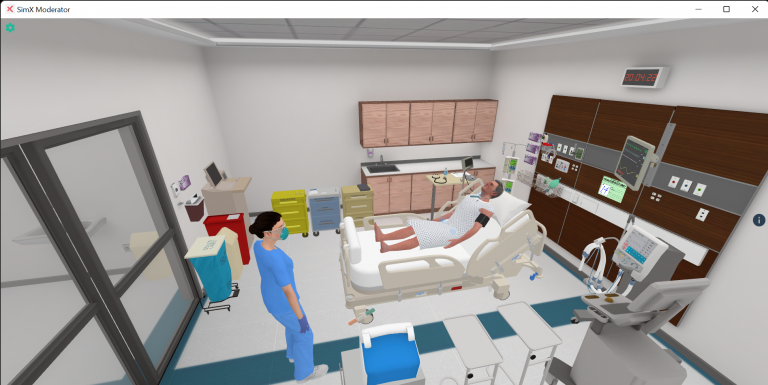
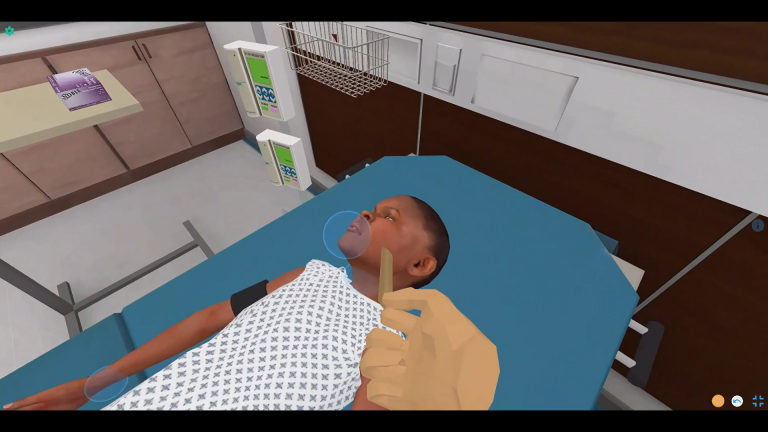
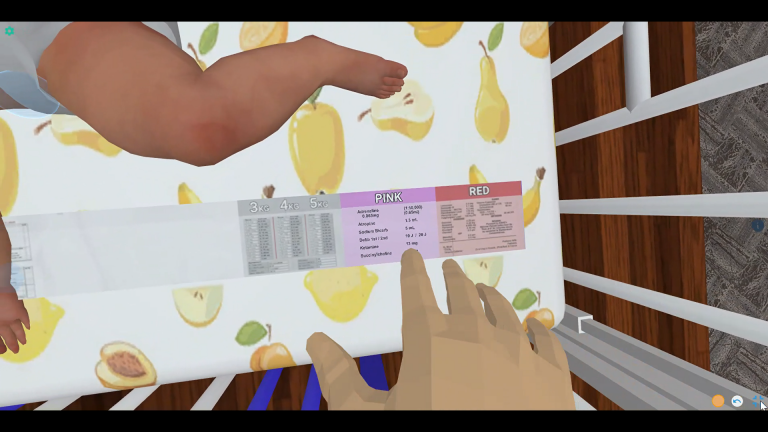
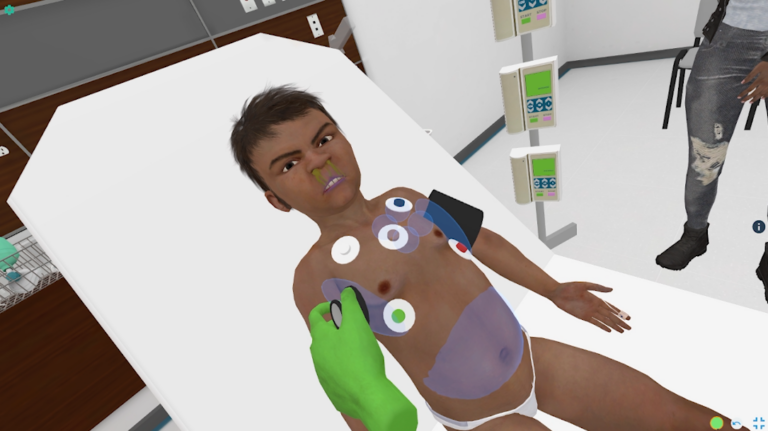
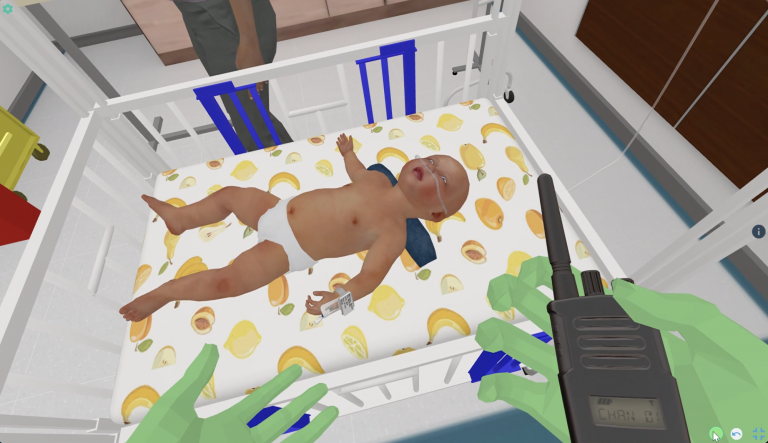
A six-year-old boy presents to a community ED BIBA with mom in acute distress. Learners must use their PALS training to perform an initial, primary, and secondary assessment and effectively manage the patient’s clinical condition. This case has two different clinical presentations for the learner to address appropriately. The moderator will have the ability to choose which scenario to initiate at the beginning of the case.


Learning Objectives

1. Applies the systematic approach to life-threatening conditions learned in PALS Training course.
2. Recognizes signs and symptoms of respiratory distress caused by upper or lower airway obstruction.
3. Performs correct initial interventions for upper or lower airway obstruction.
4. Discusses the importance of obtaining expert consultation and initiating transfer of care of a patient who fails to respond to initial interventions.”
“1. Identify possible implicit and explicit biases that could affect care of an injured inmate. Verbalize how these biases could affect patient care and healthcare outcomes.
2. Apply teamSTEPPS strategies to effectively work in a healthcare team. (Examples include providing an appropriate SBAR report to the corrections supervising physician to advocate for the patient’s prompt hospital evaluation, and to advocate for the patient’s evaluation after being injured.)
3. Identify social determinants of health factors that contributed to the social and medical history of the patient.
4. Apply evidence-based strategies, such as cultural competency training and patient-centered communication techniques, to mitigate the impact of bias in clinical practice.
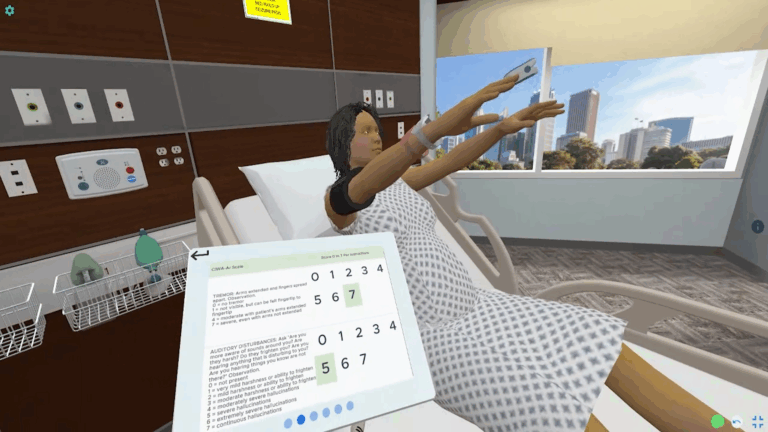
5. Demonstrate a patient-centered approach for a nursing assessment.
6. Discuss their own biases related to nursing and verbalize the importance of self-awareness in providing equitable and compassionate care to a diverse patient population.
7. Evaluate the impact of bias on patient care and healthcare disparities, and develop action plans to address and reduce these disparities in their practice.

MINIMUM:

OS: Windows 10
Processor: Intel Core i5-2300 | AMD FX-4350
Memory: 4 GB RAM
Graphics: Nvidia GeForce GTX 2060
DirectX: Version 11
Storage: 12 GB available space

RECOMMENDED:

OS: Windows 10
Processor: Intel Core i7-2300 | AMD FX-4350
Memory: 8 GB RAM
Graphics: Nvidia GeForce GTX 3060
DirectX: Version 11
Storage: 12 GB available space

You Don’t Have to Figure Out VR Alone

Our Team Clinicians Will Guide Every Step
Expert education, support, and curriculum integration services are available for this scenario by trained educators and clinicians.
Explore Solutions

“I would recommend SimX VR technology to anyone.”

Jenny Patton CEHRS Manager of Medical Training Platforms