


0

Virtual Reality Simulated Patient Encounters

Reset

Mixed Mass Casualty Incident Triage

In partnership with: Uniformed Services University of the Health Sciences

Book Demo

Scenario Information

Room size: 18x18
Learner Population: Nursing, EMS/Prehospital, Military, Physician/Advanced Practice Provider
Language: English
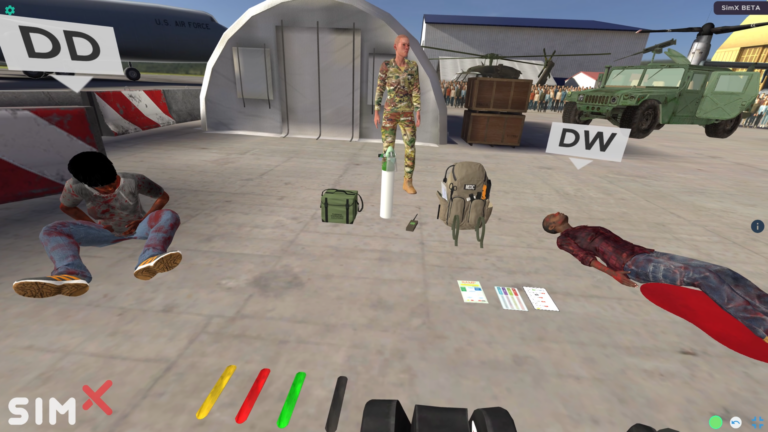
Setting: Military Airshow, Tent
Patient Gender: Female, Male

Scenario Description

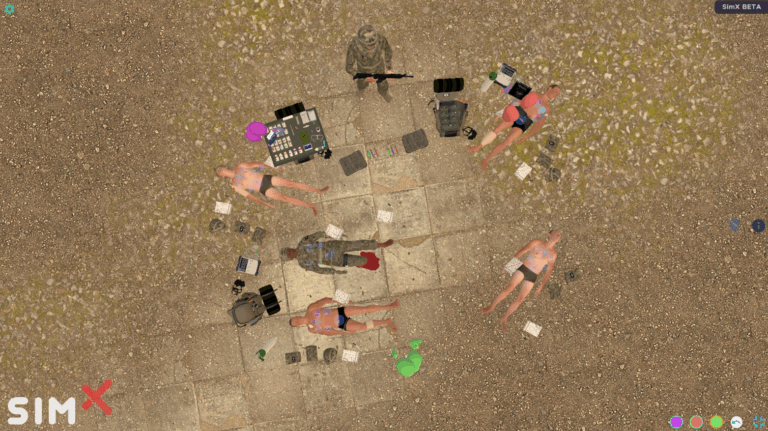
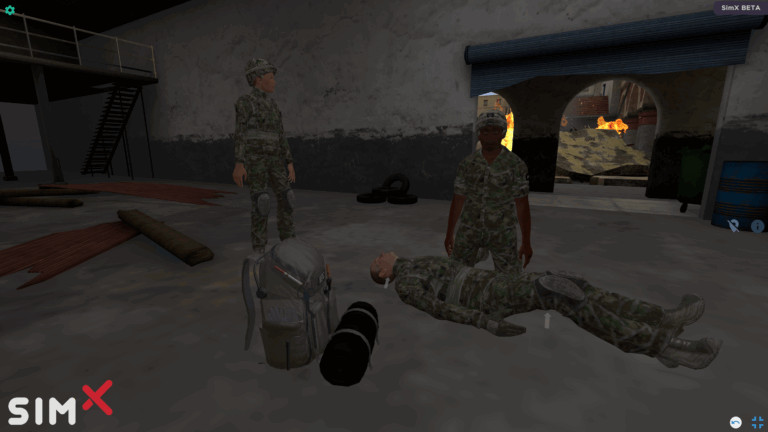
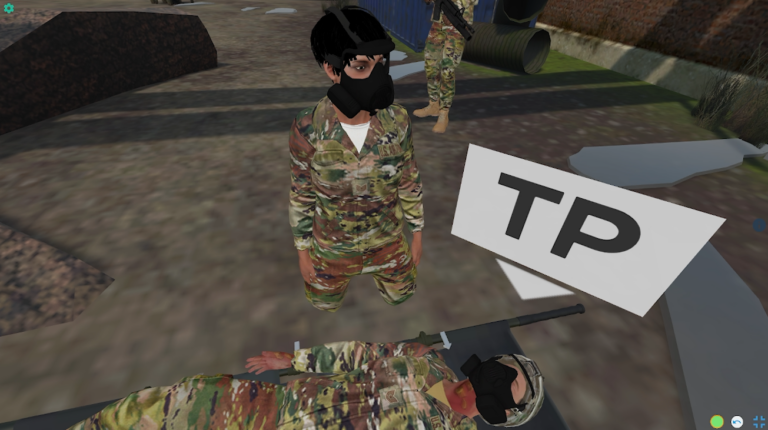
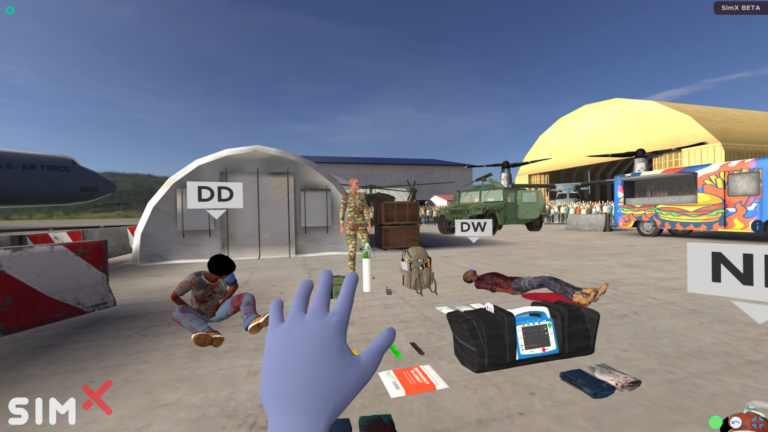
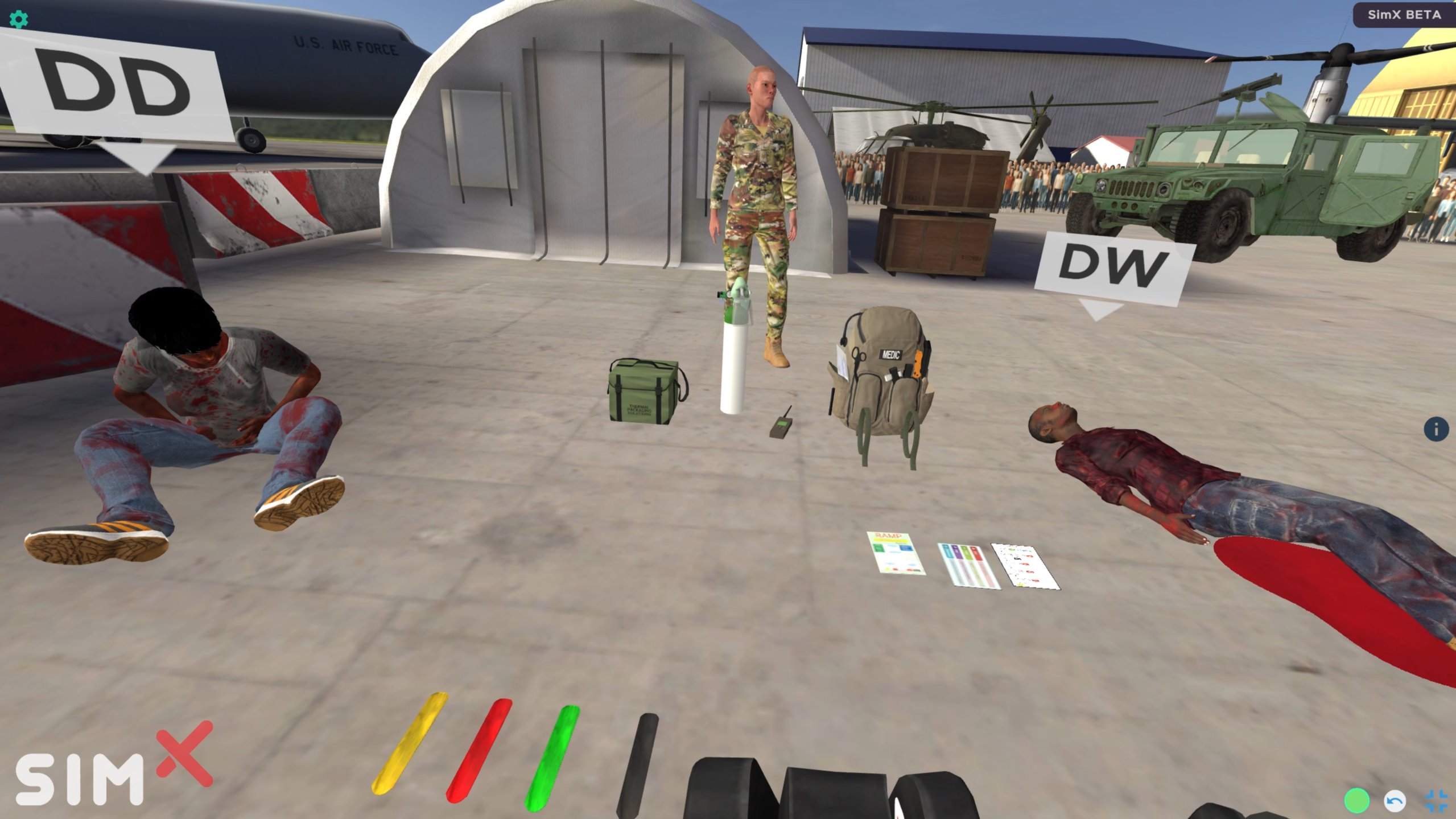
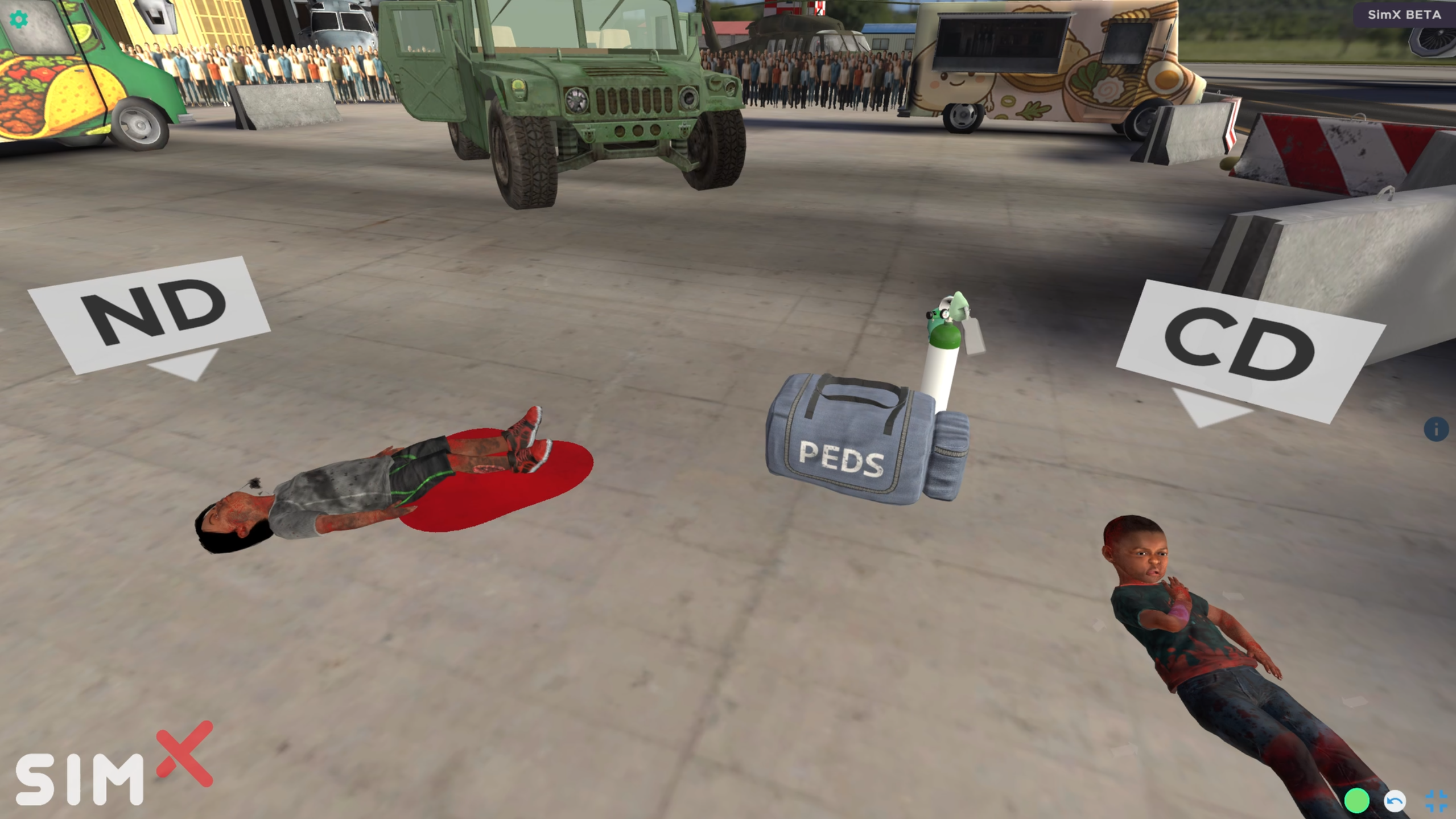
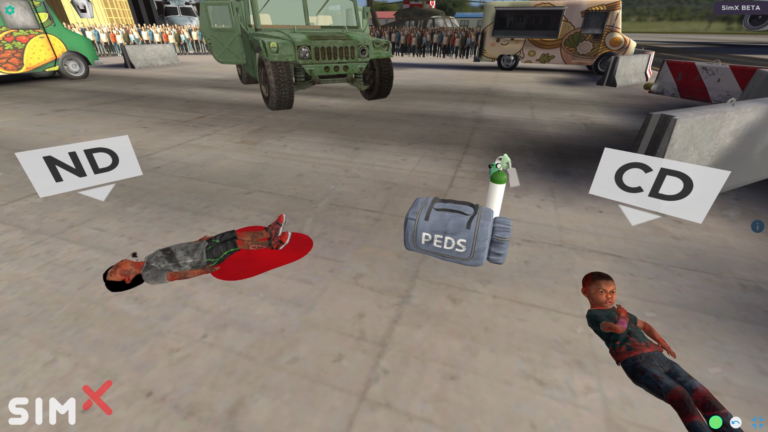
In this scenario, learners are plunged into the chaotic aftermath of a military airshow accident. They arrive on the scene to discover a family of four among the injured: a father, mother, a five-year-old child, and an infant. The scenario is designed to test the learners’ ability to perform under pressure by requiring them to apply triage methodology to sort patients and adhere to MARCH principles.
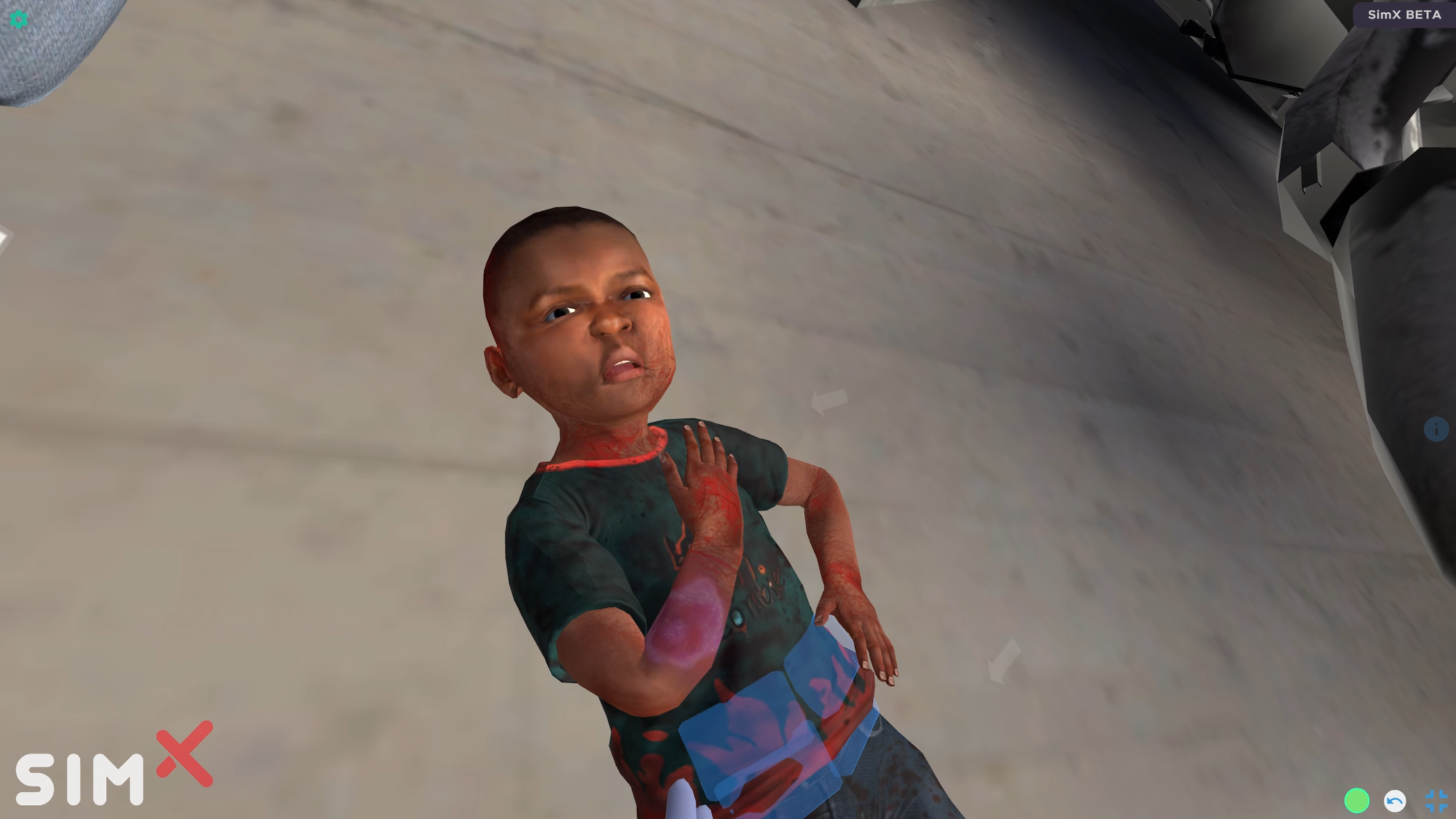
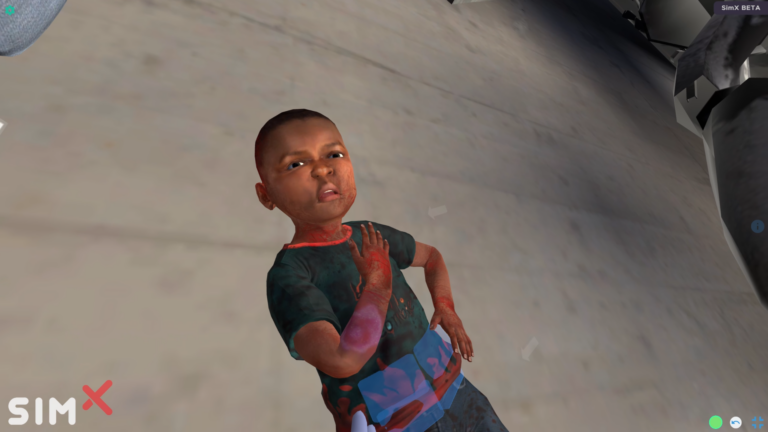
Learners will first need to assess the patients’ injuries, with a particular focus on the father and five-year-old child, who present with severe bilateral lower leg injuries and massive, active hemorrhaging. The learners must recognize hemorrhagic shock and apply tourniquets promptly to prevent patient decompensation. As they work against a strict timeline, they will also evaluate the airway with cervical spine control, assess breathing and circulation for all four patients, and manage other critical injuries such as potential tension pneumothorax or airway compromise. Using the AVPU scale, they will assess disability and head injuries while exposing patients and preventing hypothermia. The scenario further challenges learners with pediatric care, requiring them to use appropriate weight-based dosing for the children. Finally, the learners must complete the triage process and initiate transport for the most severely injured patients, demonstrating their ability to manage complex, time-sensitive medical situations and ensure the best possible outcomes for all family members.

Learning Objectives

1. Learner applies triage methodology to sort patients.
2. Learner adheres to MARCH principles during patient care.
a. Learner identifies massive hemorrhage.
i. Learner applies a tourniquet to life-threatening hemorrhage.
b. Learner evaluates the airway while maintaining cervical spine control.
i. Learner opens an obstructed airway.
c. Learner assesses breathing and respiration.
i. Learner places a chest seal on open chest wounds.
ii. Learner performs needle decompression for tension pneumothorax.
d. Learner evaluates circulation.
i. Learner checks for a radial pulse and a brachial pulse on infants.
e. Learner assesses disability, hypothermia, and head injury using the AVPU scale.
f. Learner exposes the patient while preventing hypothermia.
3. Learner recognizes hemorrhagic shock.
4. Learner recognizes airway compromise.
5. Learner recognizes abnormal adult and pediatric vital signs.
6. Learner calculates and applies appropriate weight-based/Broselow dosing for pediatric medications.
7. Learner completes triage and initiates transport.

MINIMUM:

OS: Windows 10
Processor: Intel Core i5-2300 | AMD FX-4350
Memory: 4 GB RAM
Graphics: Nvidia GeForce GTX 2060
DirectX: Version 11
Storage: 12 GB available space

RECOMMENDED:

OS: Windows 10
Processor: Intel Core i7-2300 | AMD FX-4350
Memory: 8 GB RAM
Graphics: Nvidia GeForce GTX 3060
DirectX: Version 11
Storage: 12 GB available space

You Don’t Have to Figure Out VR Alone

Our Team Clinicians Will Guide Every Step
Expert education, support, and curriculum integration services are available for this scenario by trained educators and clinicians.
Explore Solutions

“I would recommend SimX VR technology to anyone.”

Jenny Patton CEHRS Manager of Medical Training Platforms