


0

Virtual Reality Simulated Patient Encounters

Adolescent Respiratory Distress

Case Description

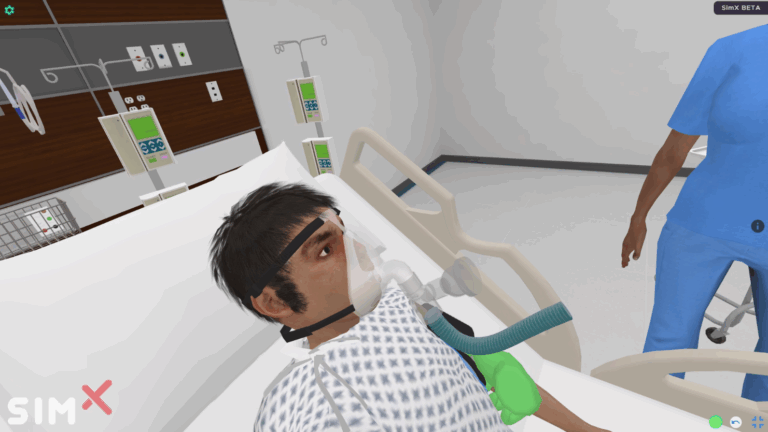
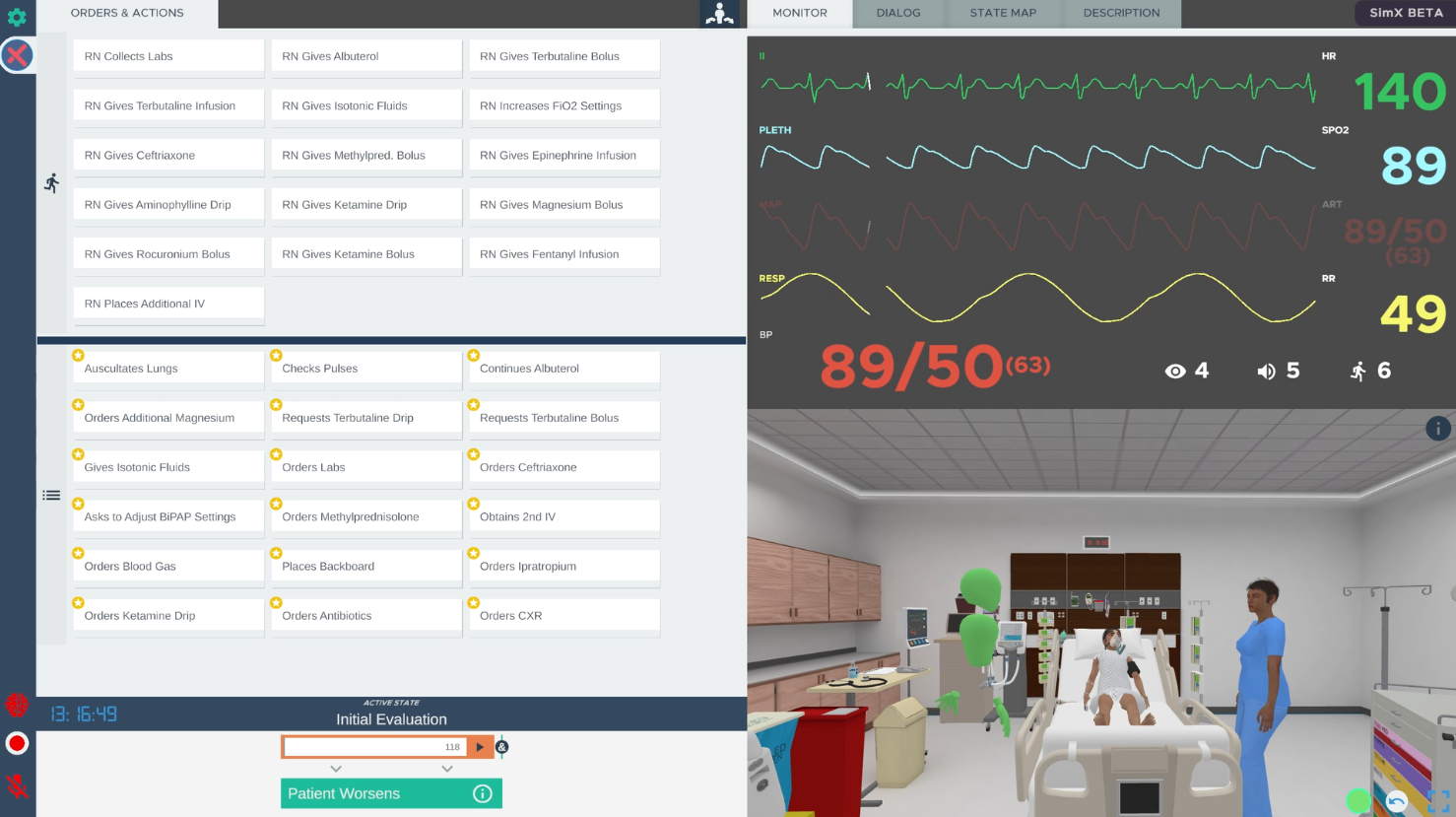
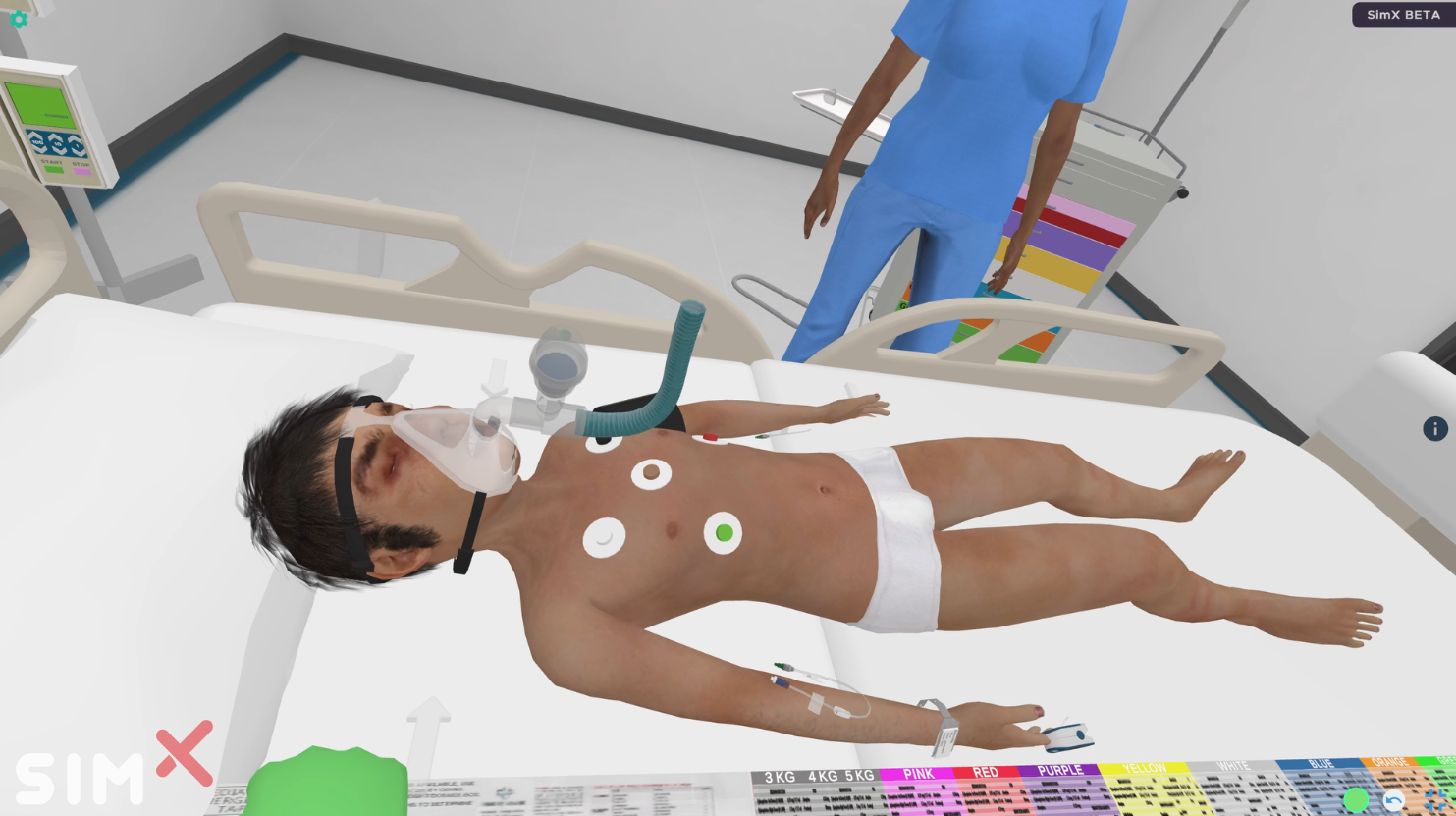
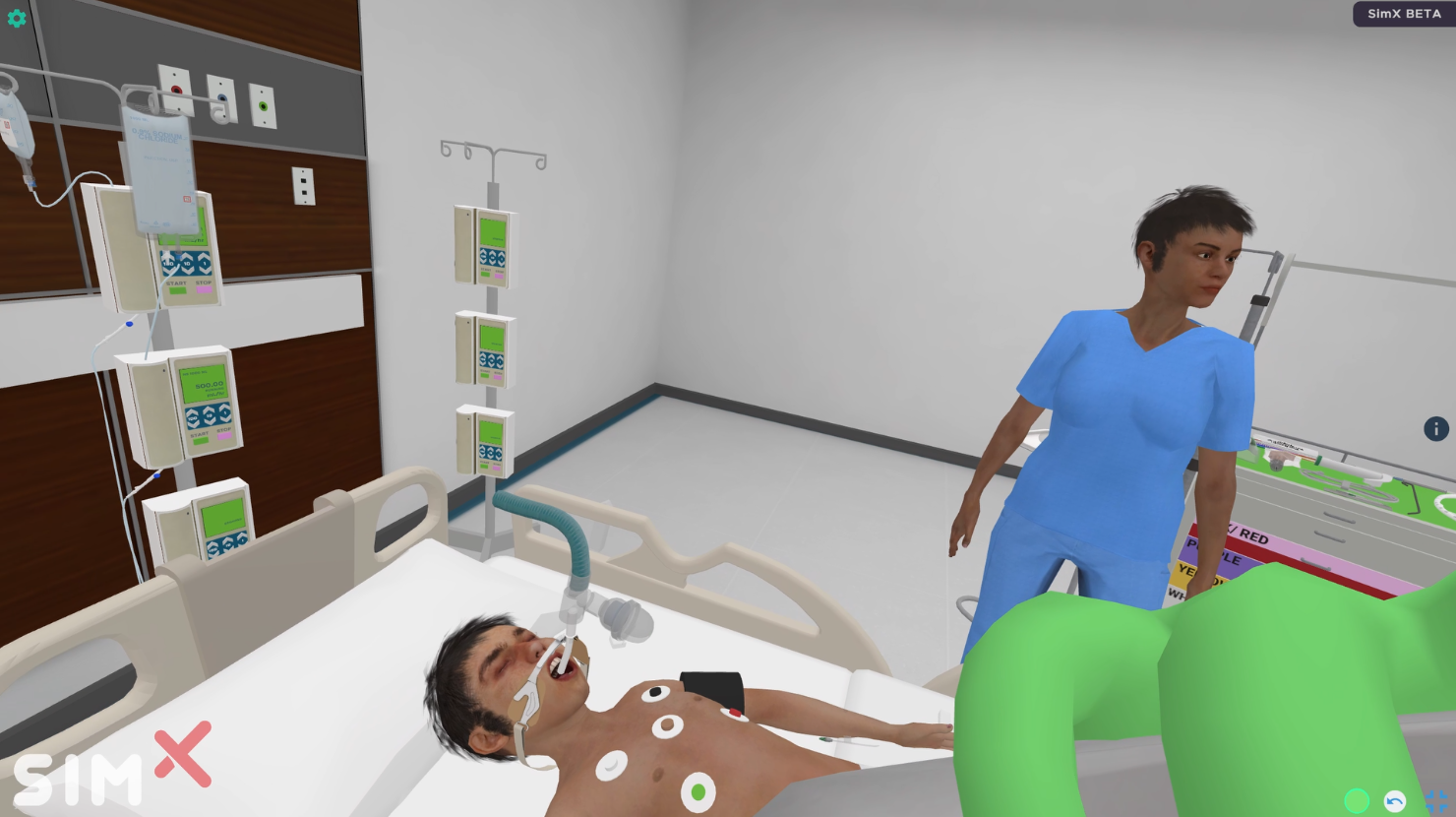
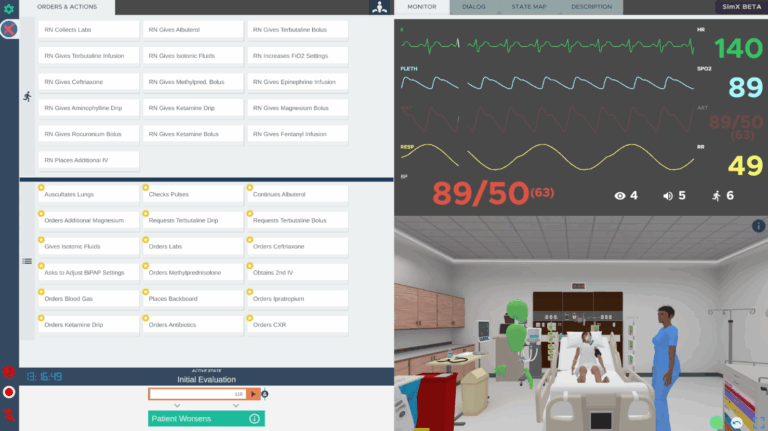
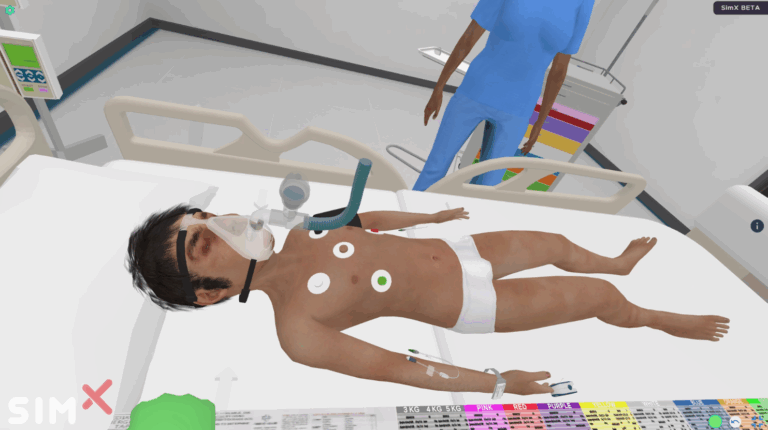
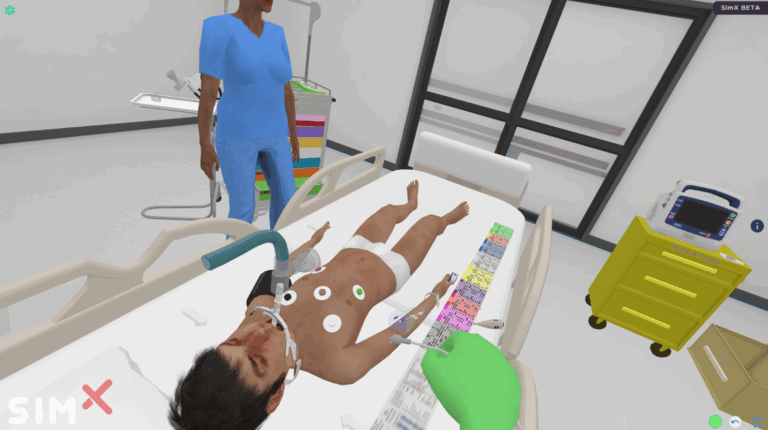
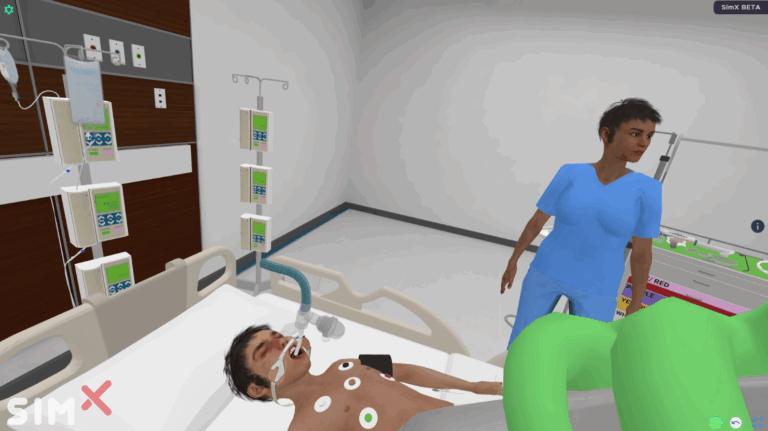
Patient is a 12-year-old male with a history of severe asthma who was brought in for difficulty breathing. He has had fevers, cough, and congestion since yesterday evening. He was initially brought to the ED where he received initial treatment, was placed on BiPAP and was transferred to the PICU. You are called to assess the patient when they arrive to the PICU. During the scenario, the patient continues to have increased work of breathing and poor air movement despite medical management and will require intubation and further management.

Learning Objectives

1. Learner will recognize deterioration of a patient in status asthmaticus.
a. Physical Exam Changes- Increased work of breathing (retractions, tachypnea), decreased air movement on auscultation, increased prolonged expiratory phase on auscultation, altered mental status (not talking, more moaning).
b. Worsening vital signs- dropping SpO2, tachypnea.
c. Worsening Labs- increasing pCO2, decreasing pH.
2. Learners will show competence in escalating bronchodilator therapies based on patient changes.
a. Learners will continue to re-evaluate the patient exam, vital signs and will continue to escalate bronchodilators to involve IV bronchodilator therapies.
3. Learners will recognize when to intubate a patient with status asthmaticus, and be able to prepare for intubation to prevent cardiac arrest.
a. Prior to intubation, learners will optimize perfusion- giving a bolus of isotonic fluid, having vasoactive medications pulled up and potentially giving them.
b. Learners will choose medications to use for intubation (ketamine and rocuronium).
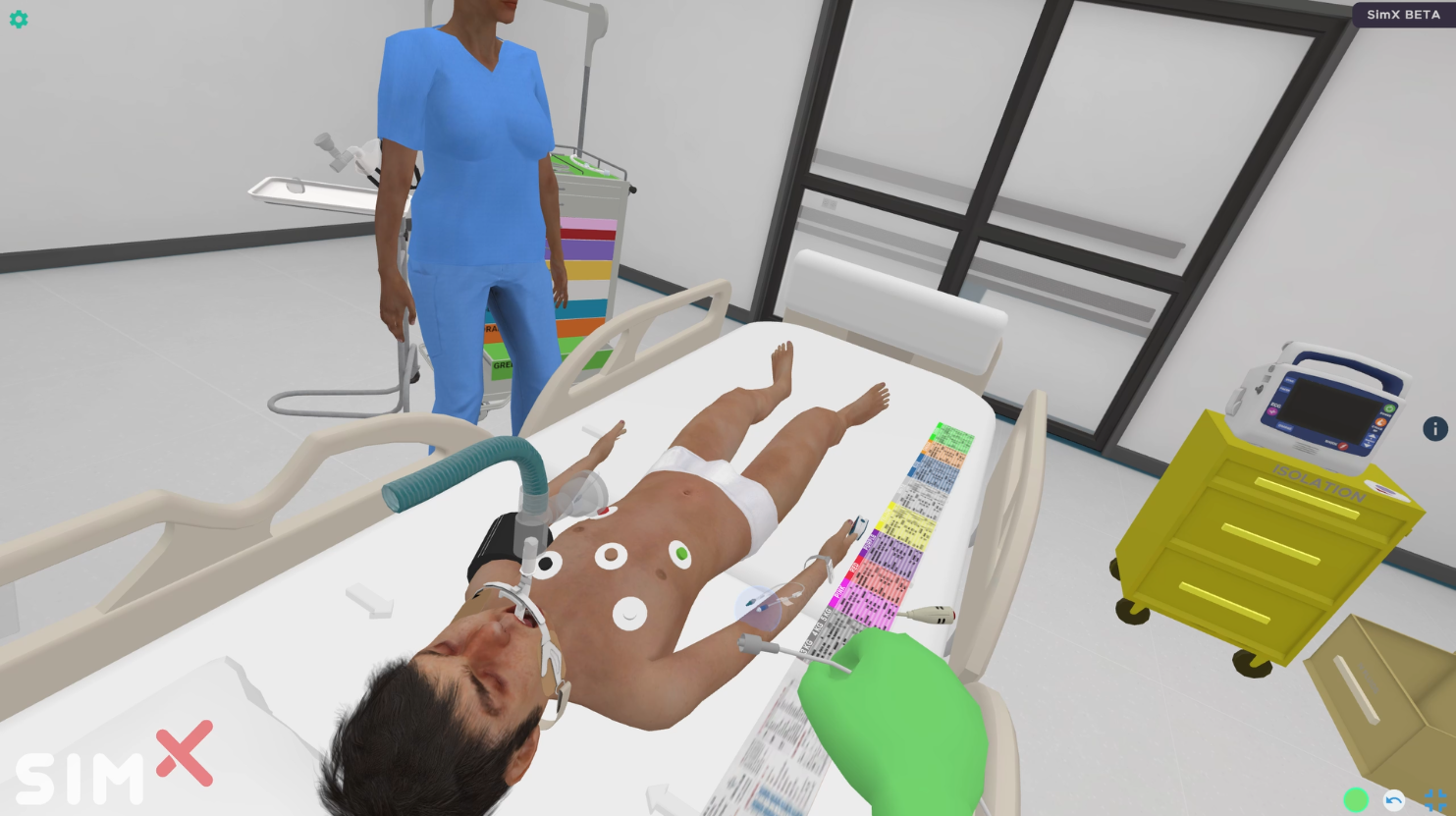
c. Learners will prepare the room for intubation- placement of second IV, placement of backboard under the patient, preparation of code meds.
4. Learners will recognize how to appropriately mechanically ventilate the patient with status asthmaticus.
a. Learners will decrease the rate on the ventilator, allow for a long relative expiratory time.
b. Learners will consider the use of different modes of ventilation- volume control vs. pressure-regulated volume control vs. pressure control ventilation.
5. Learners will recognize when to consider advanced therapies (volatile anesthetics/ECMO).
a. Once intubated, participants recognize when patients are not responding to ventilator changes and bronchodilator therapies, and recognize need for advanced therapies including calling anesthesia for volatile anesthetics and cardiac surgery for ECMO.

MINIMUM:

OS: Windows 10
Processor: Intel Core i5-2300 | AMD FX-4350
Memory: 4 GB RAM
Graphics: Nvidia GeForce GTX 2060
DirectX: Version 11
Storage: 12 GB available space

RECOMMENDED:

OS: Windows 10
Processor: Intel Core i7-2300 | AMD FX-4350
Memory: 8 GB RAM
Graphics: Nvidia GeForce GTX 3060
DirectX: Version 11
Storage: 12 GB available space

Interested in this scenario?

Sign up to talk with a member of the SimX team today!