


0

Virtual Reality Simulated Patient Encounters

Patient Advocacy in Correctional Nursing

Case Description

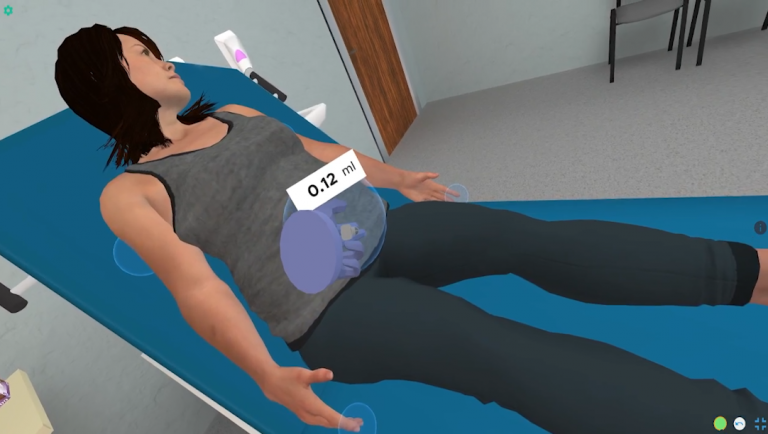
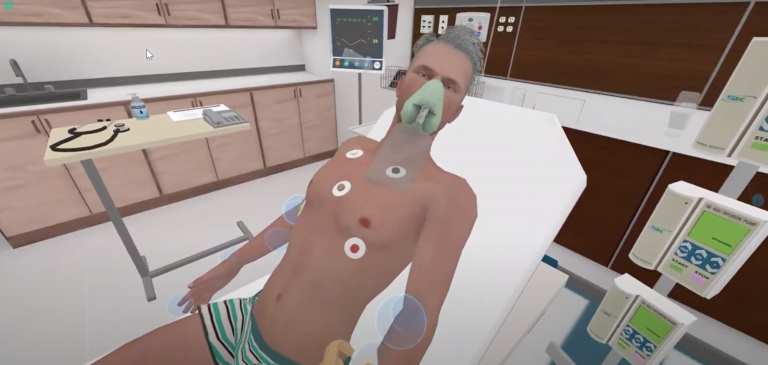
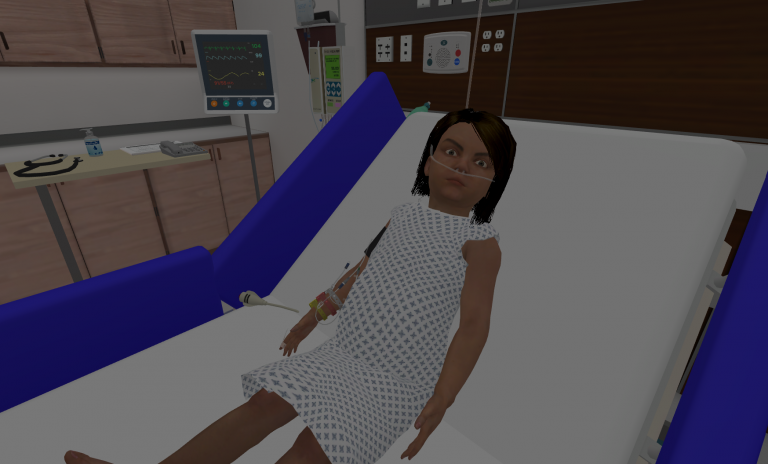
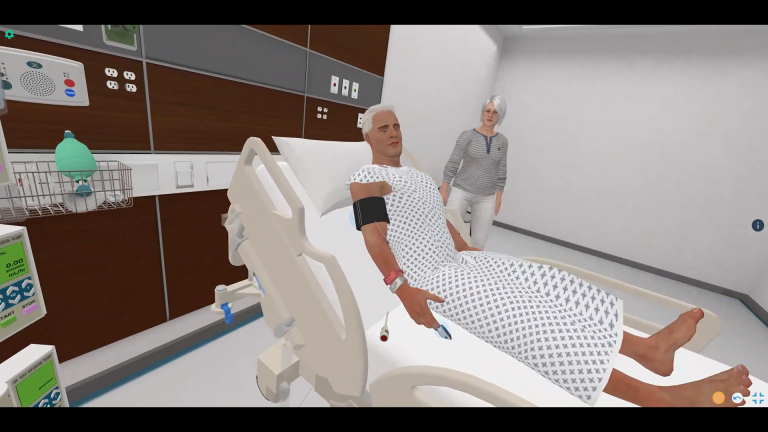
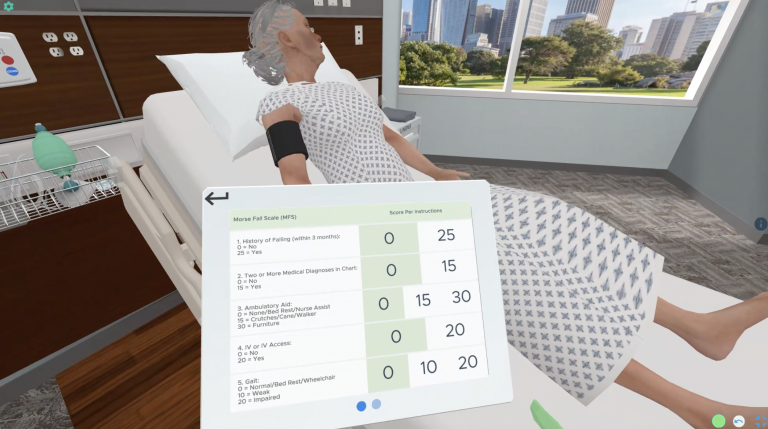
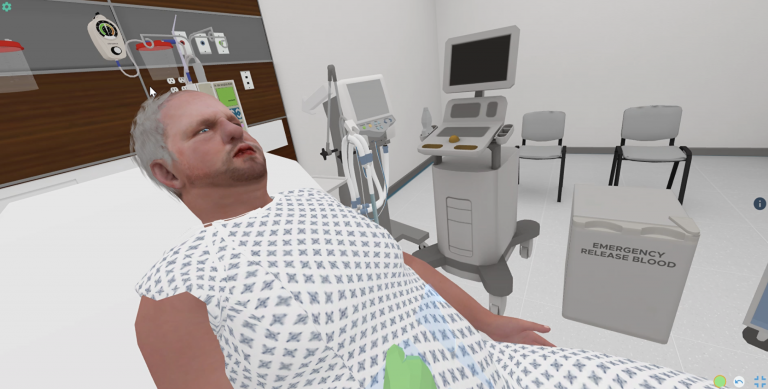
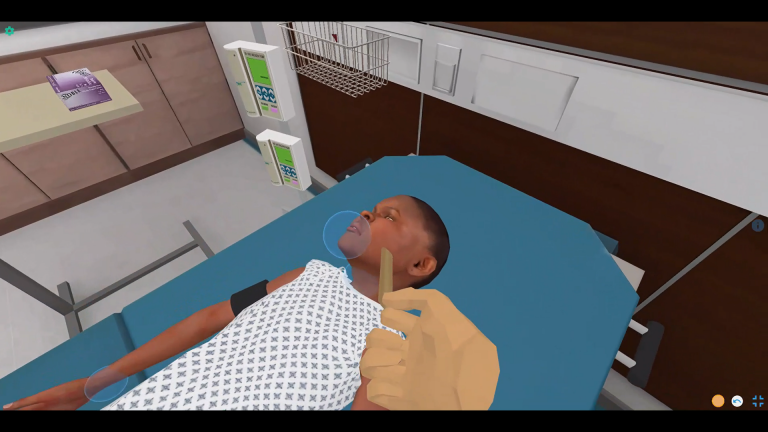
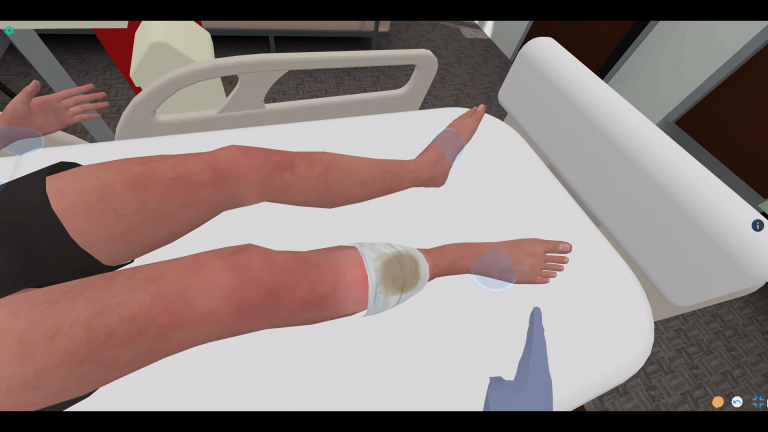
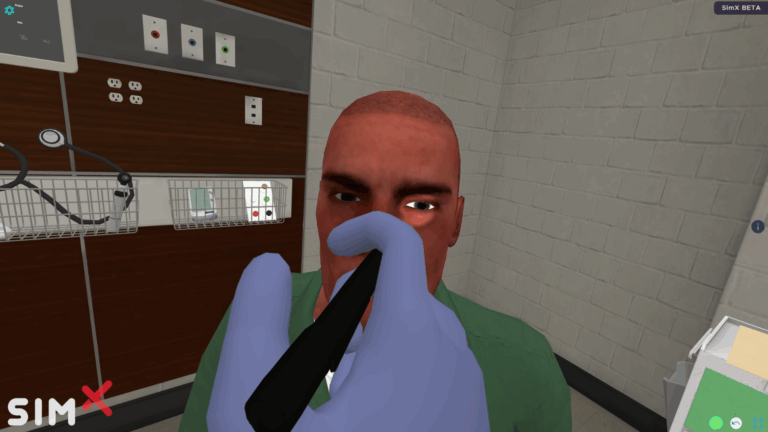
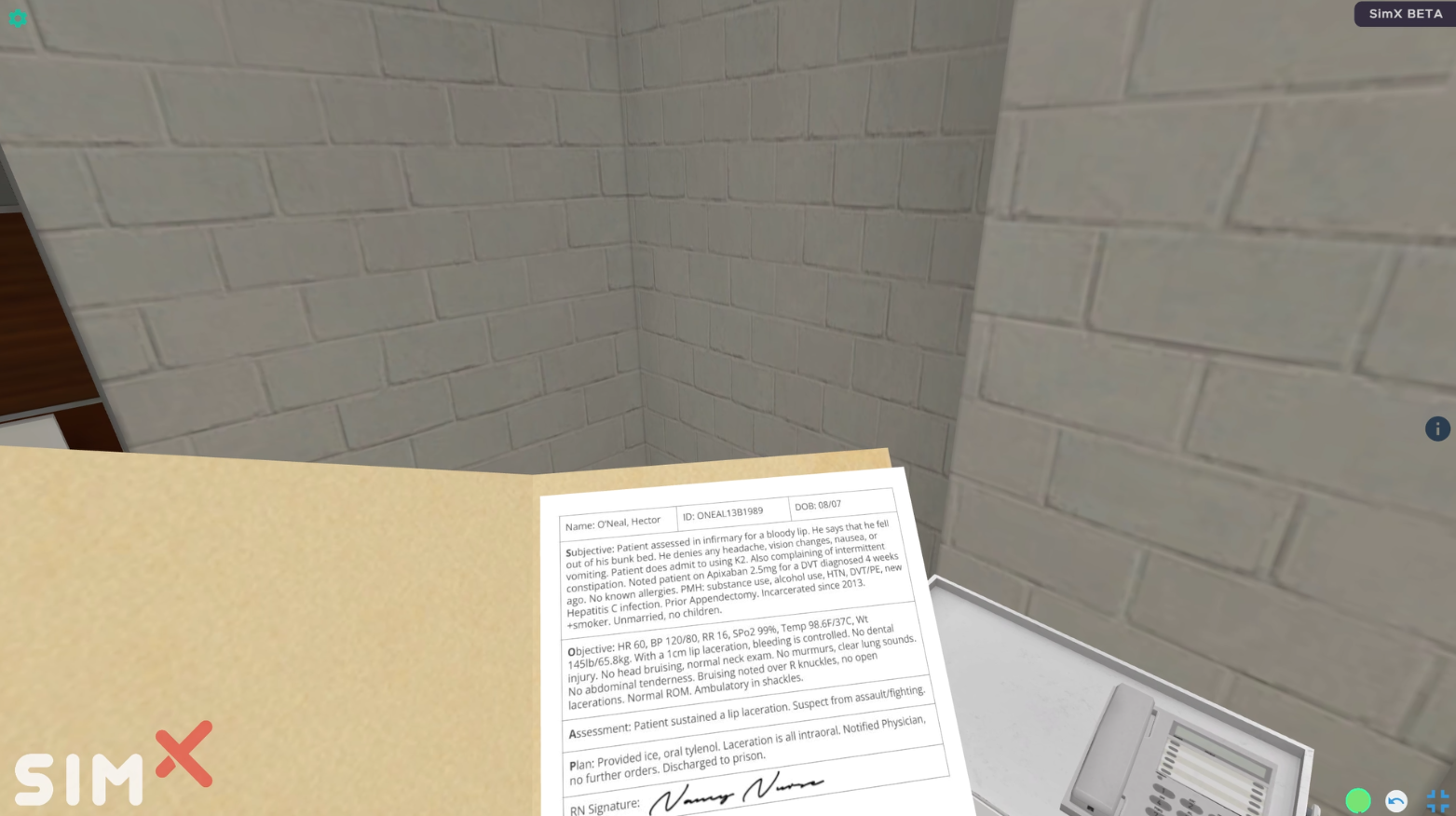
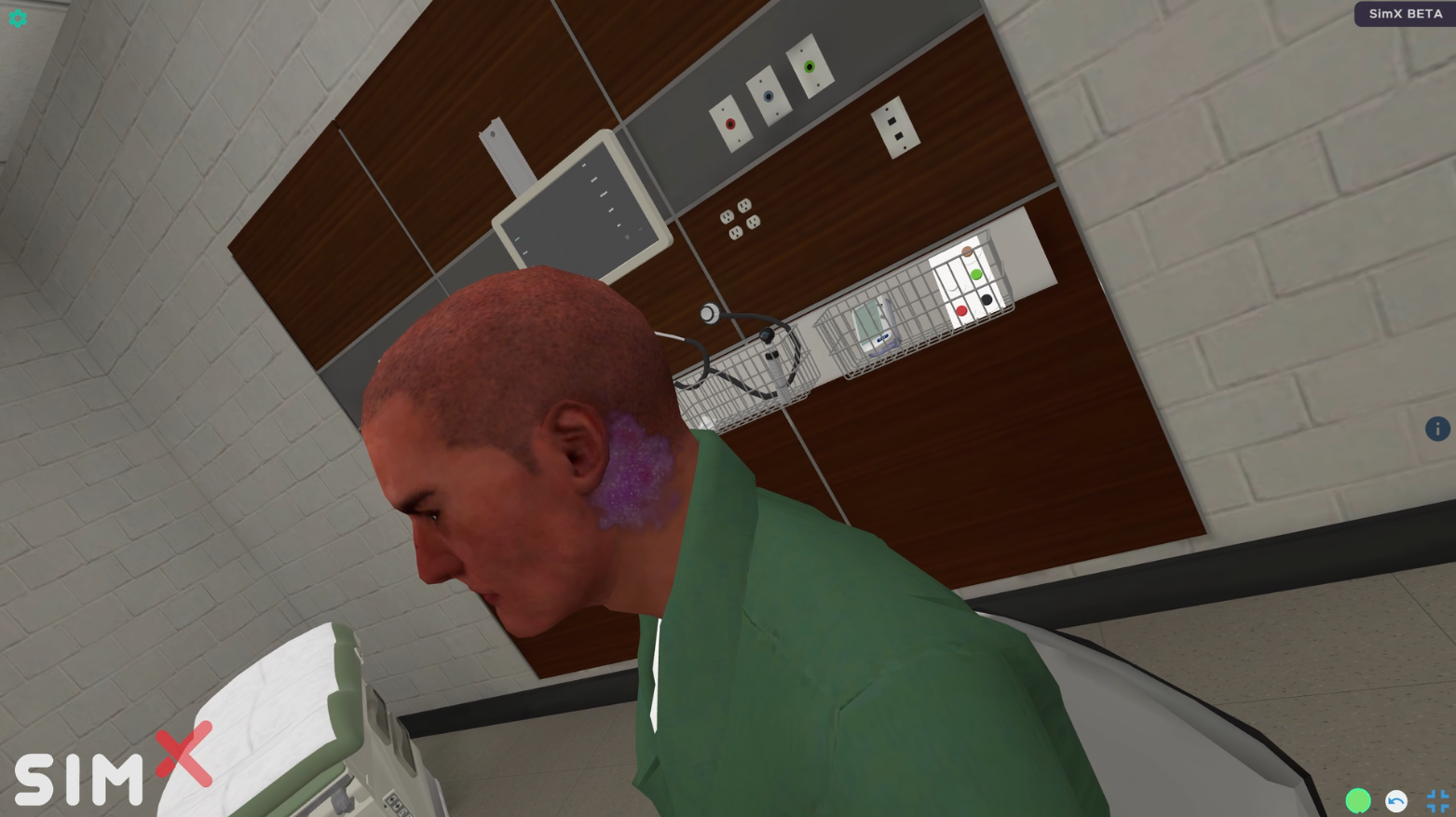
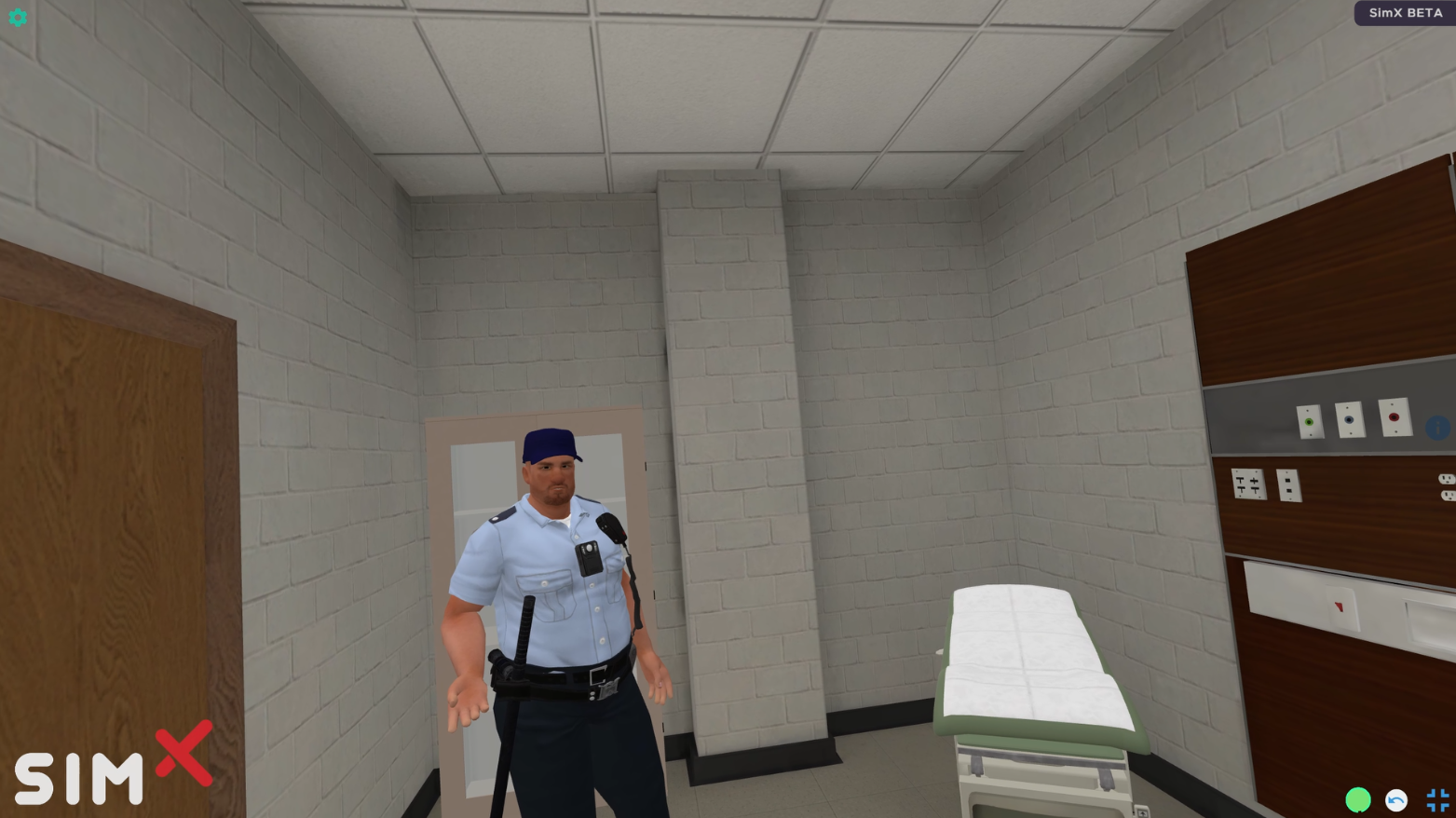
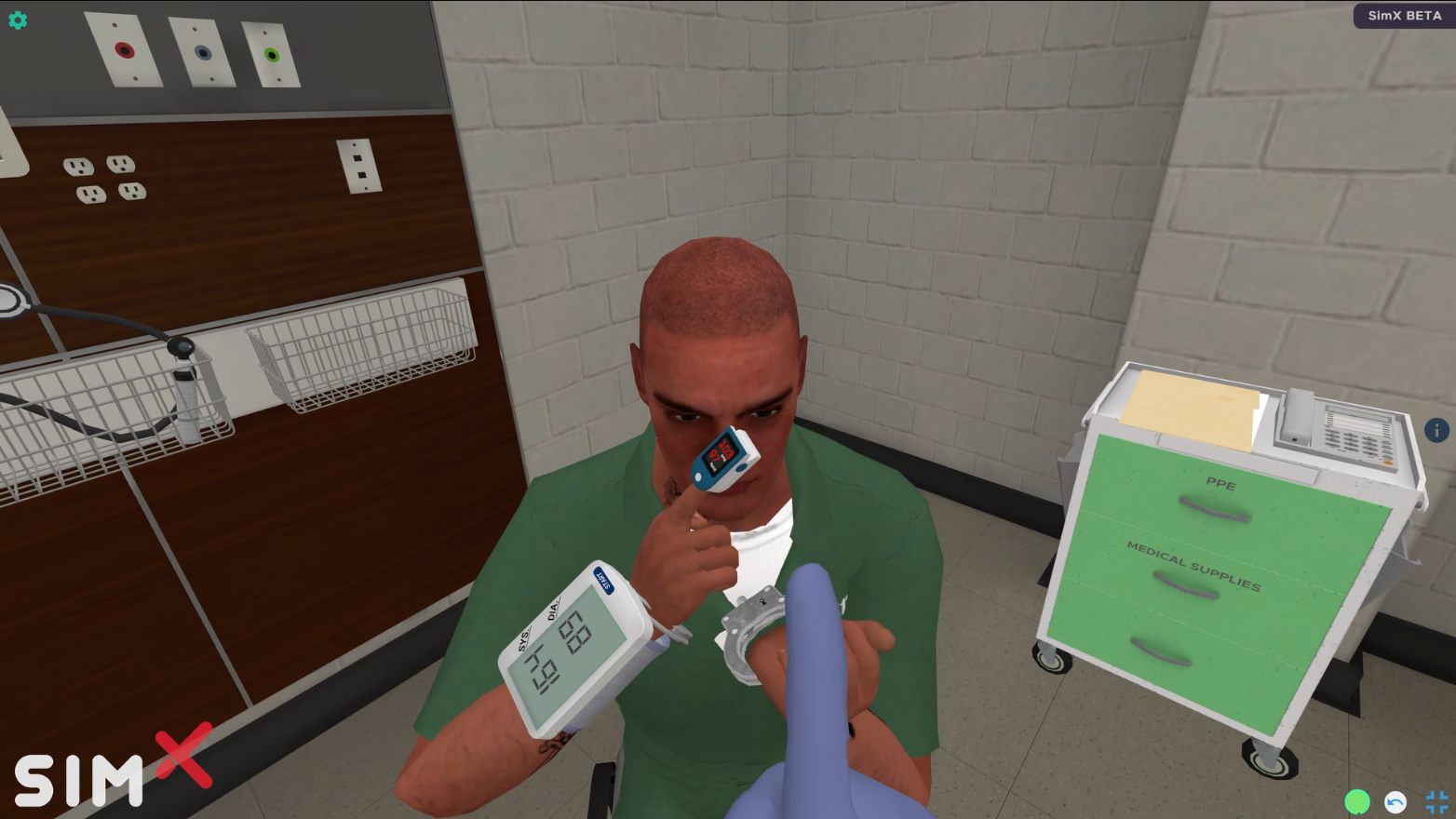
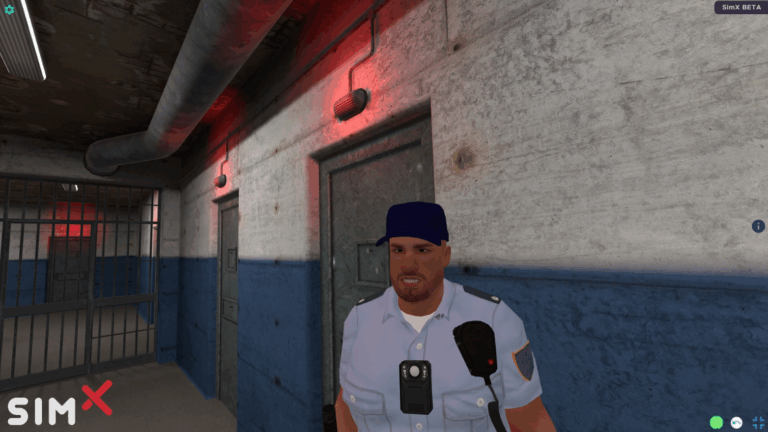
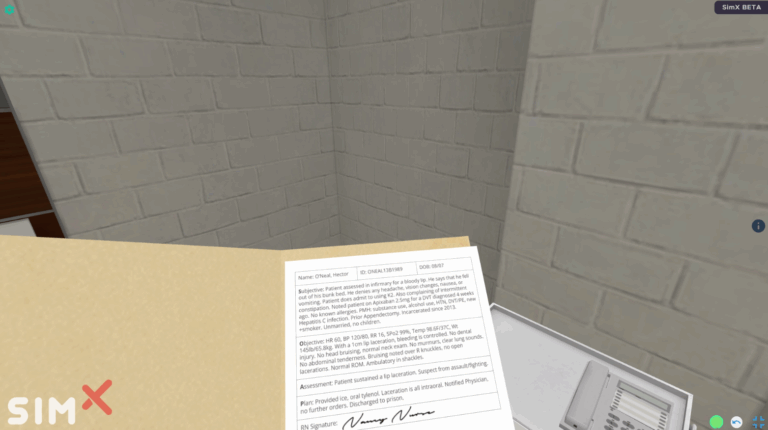
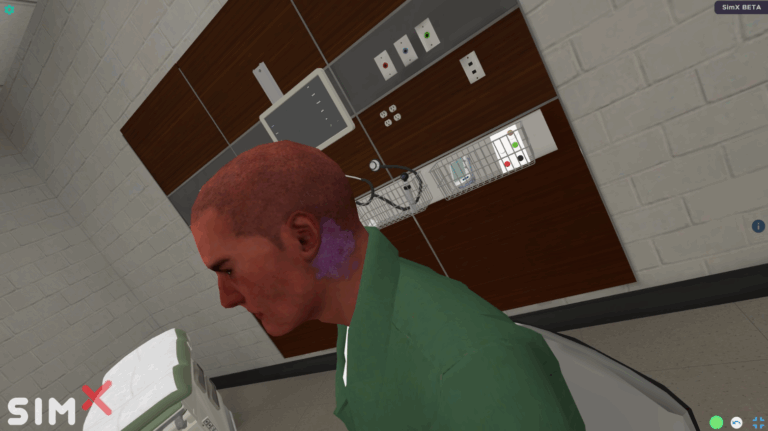
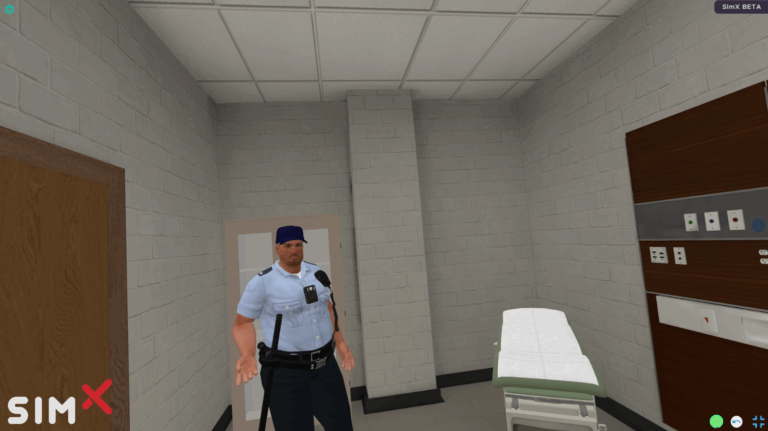
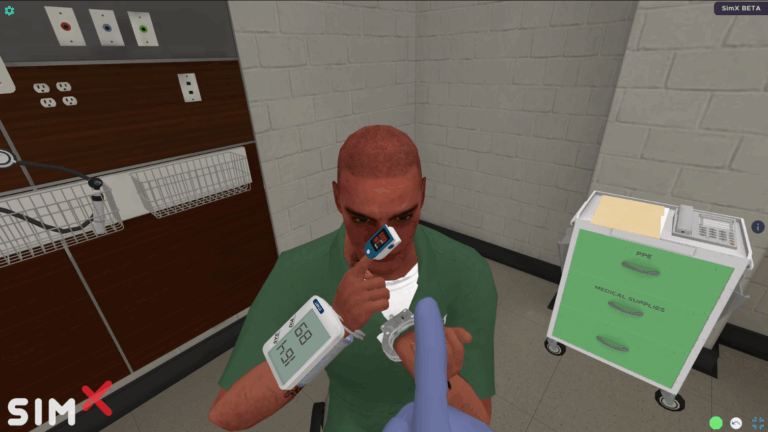
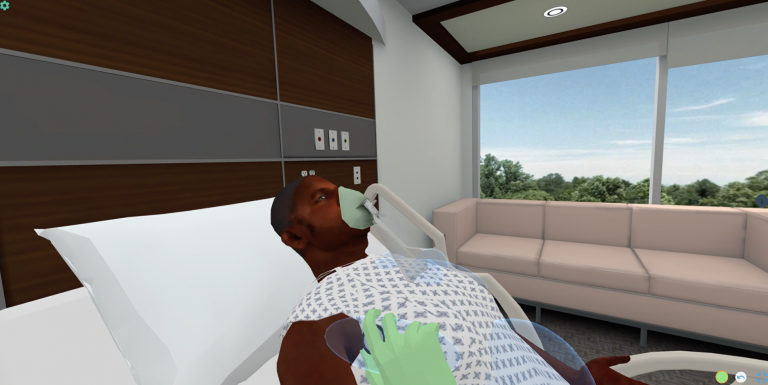
This scenario places Learners in a correctional facility where they must assess an inmate who sustained a head injury during a prison fight. Learners will navigate the complexities of this unique environment, utilizing the TeamSTEPPS protocol to advocate for a thorough neurological assessment, recognizing potential biases, and ensuring proper communication among the interprofessional team. The focus is on identifying signs and symptoms of a head injury, advocating for appropriate medical care, and accurately documenting findings, all while managing the security concerns and potential resource limitations inherent in a correctional setting. Learners should advocate for the patient’s transfer to a hospital. The case then advances a week in time, and the learner will take report from the hospital discharging the patient. The Learner will perform another assessment on the patient and discharge them back to the prison.

Learning Objectives

1. Identify possible implicit and explicit biases that could affect care of an injured inmate. Verbalize how these biases could affect patient care and healthcare outcomes.
2. Apply teamSTEPPS strategies to effectively work in a healthcare team. (Examples include providing an appropriate SBAR report to the corrections supervising physician to advocate for the patient’s prompt hospital evaluation, and to advocate for the patient’s evaluation after being injured.)
3. Identify social determinants of health factors that contributed to the social and medical history of the patient.
4. Apply evidence-based strategies, such as cultural competency training and patient-centered communication techniques, to mitigate the impact of bias in clinical practice.
5. Demonstrate a patient-centered approach for a nursing assessment.
6. Discuss their own biases related to nursing and verbalize the importance of self-awareness in providing equitable and compassionate care to a diverse patient population.
7. Evaluate the impact of bias on patient care and healthcare disparities, and develop action plans to address and reduce these disparities in their practice.

MINIMUM:

OS: Windows 10
Processor: Intel Core i5-2300 | AMD FX-4350
Memory: 4 GB RAM
Graphics: Nvidia GeForce GTX 2060
DirectX: Version 11
Storage: 12 GB available space

RECOMMENDED:

OS: Windows 10
Processor: Intel Core i7-2300 | AMD FX-4350
Memory: 8 GB RAM
Graphics: Nvidia GeForce GTX 3060
DirectX: Version 11
Storage: 12 GB available space

Interested in this scenario?

Sign up to talk with a member of the SimX team today!