


0

Virtual Reality Simulated Patient Encounters

Reset

SDOH Housing Instability

In partnership with: St. John Fisher University, Wegmans School of Nursing

Book Demo

Scenario Information

Room size: 13x15
Learner Population: Nursing, Physician/Advanced Practice Provider, Social Worker
Language: English
Setting: Outdoor, Emergency Department, Other
Patient Gender: Female

Scenario Description

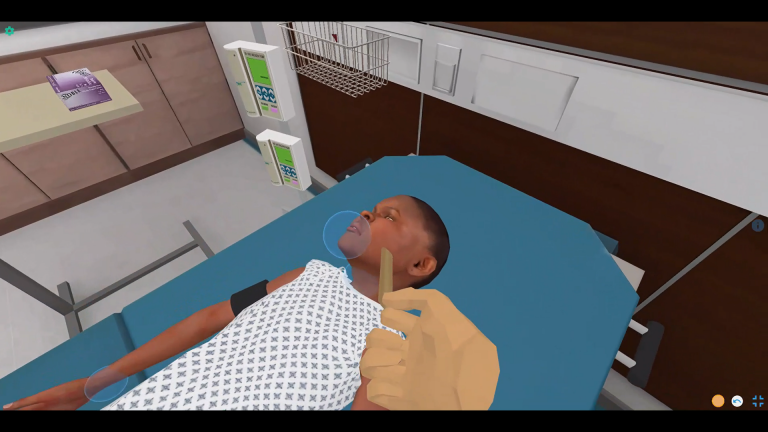
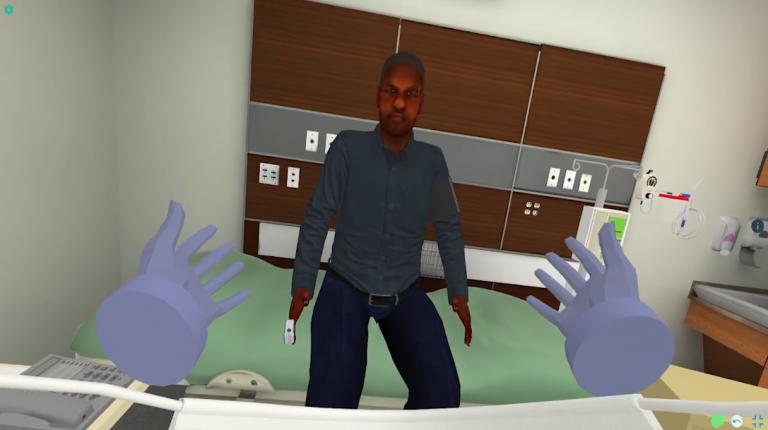
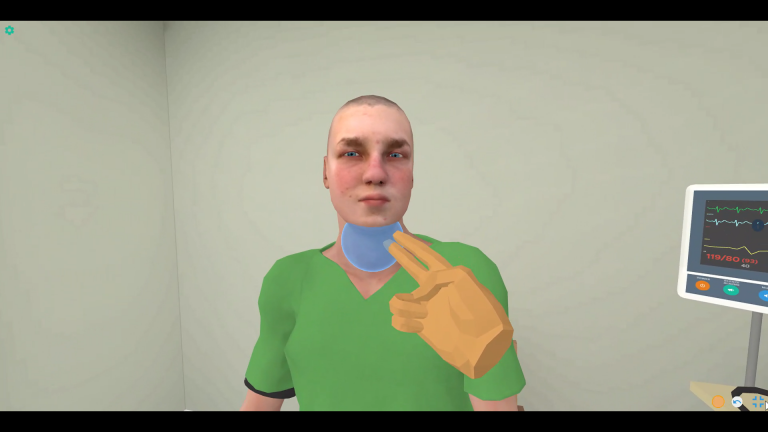
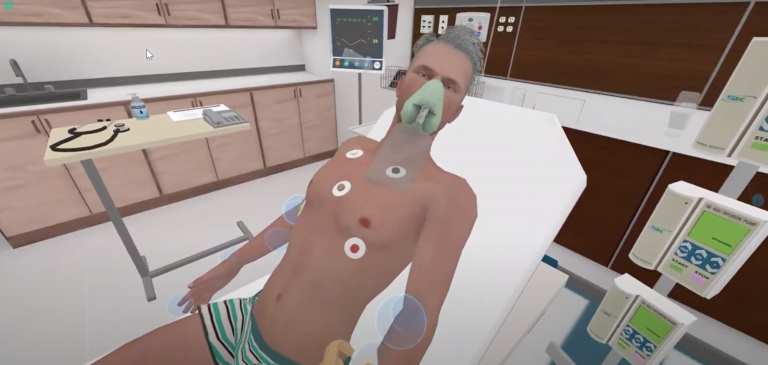
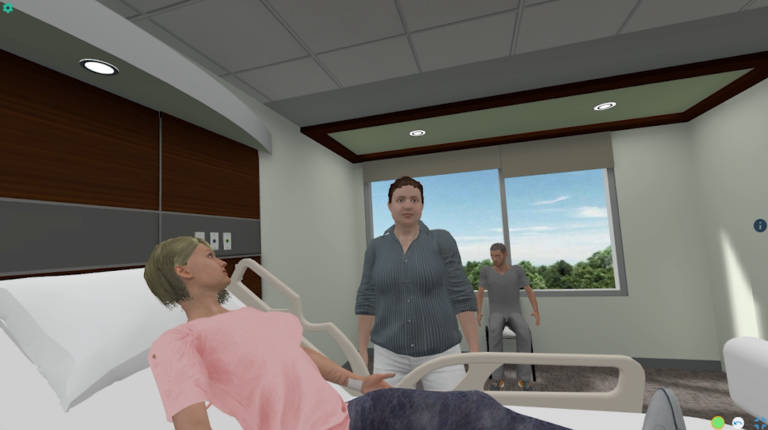
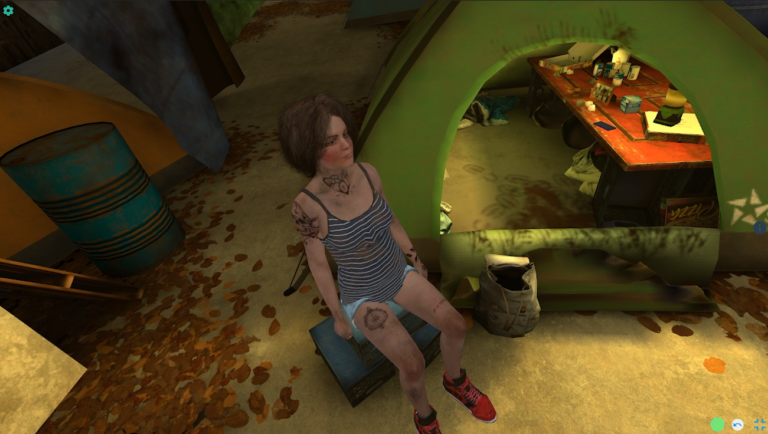
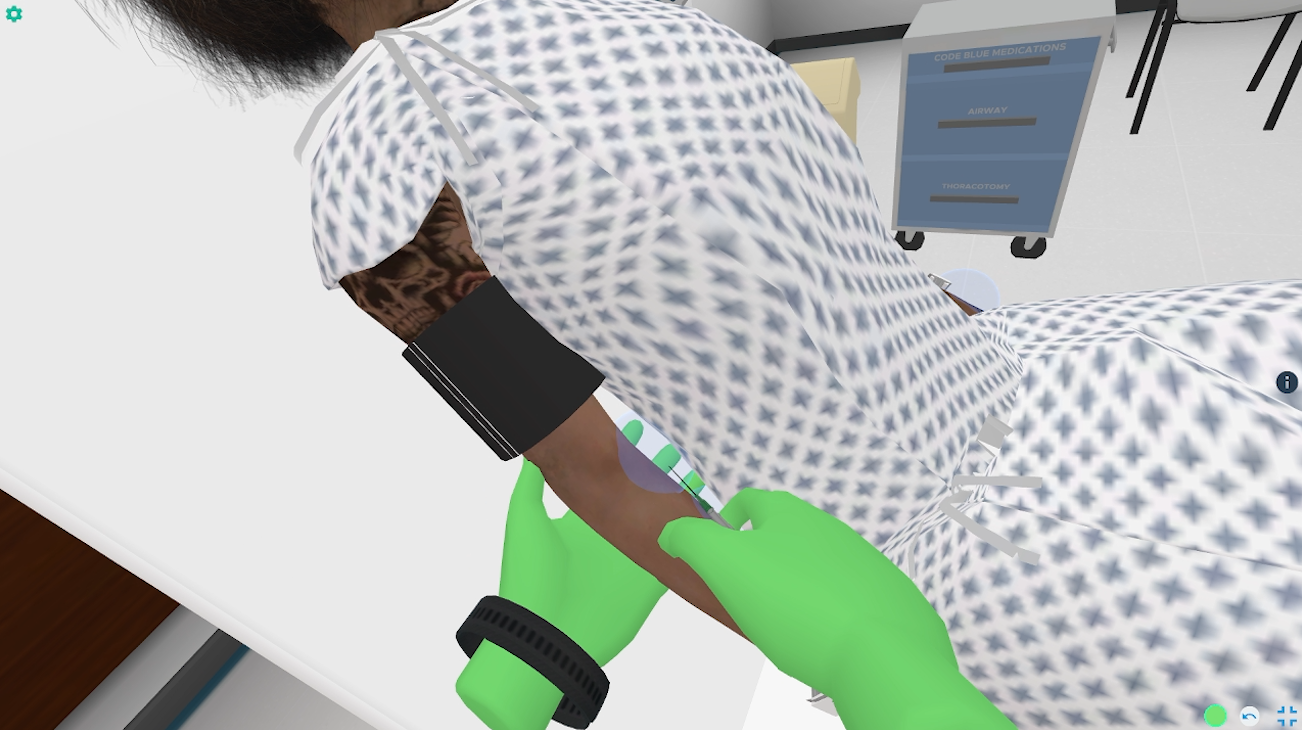
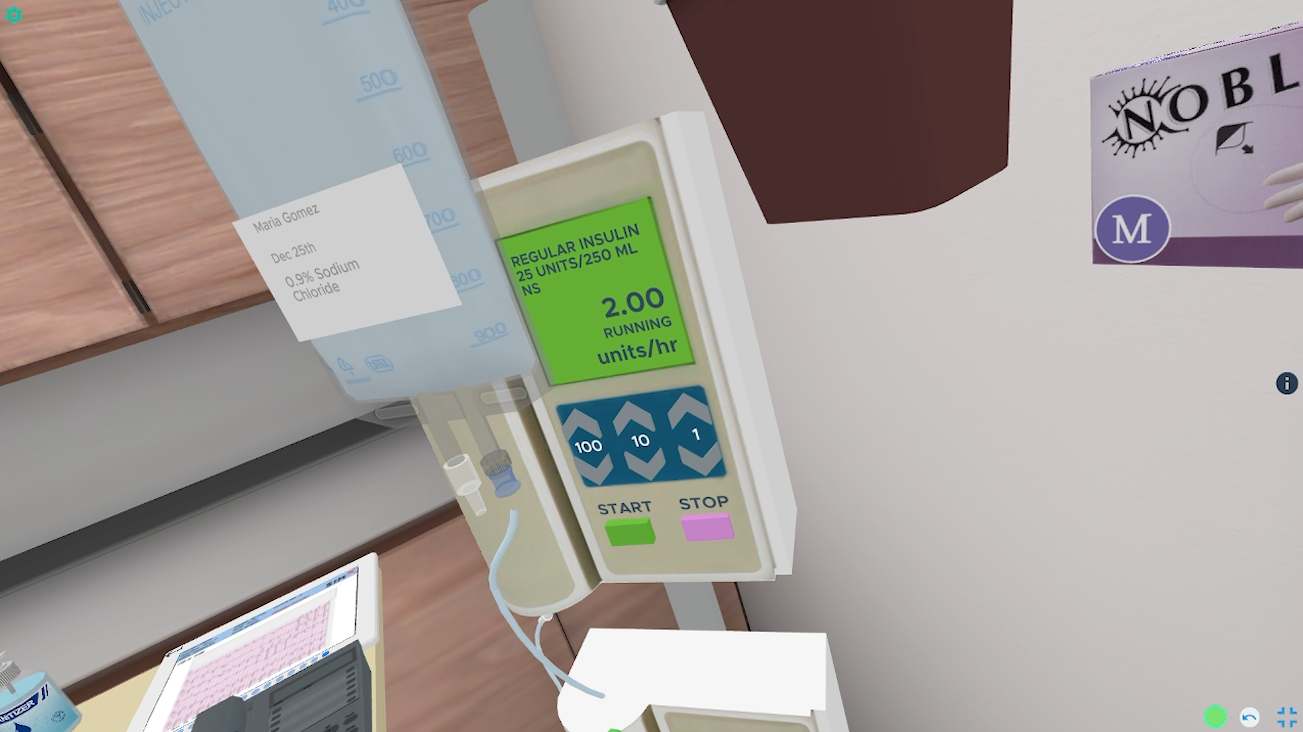
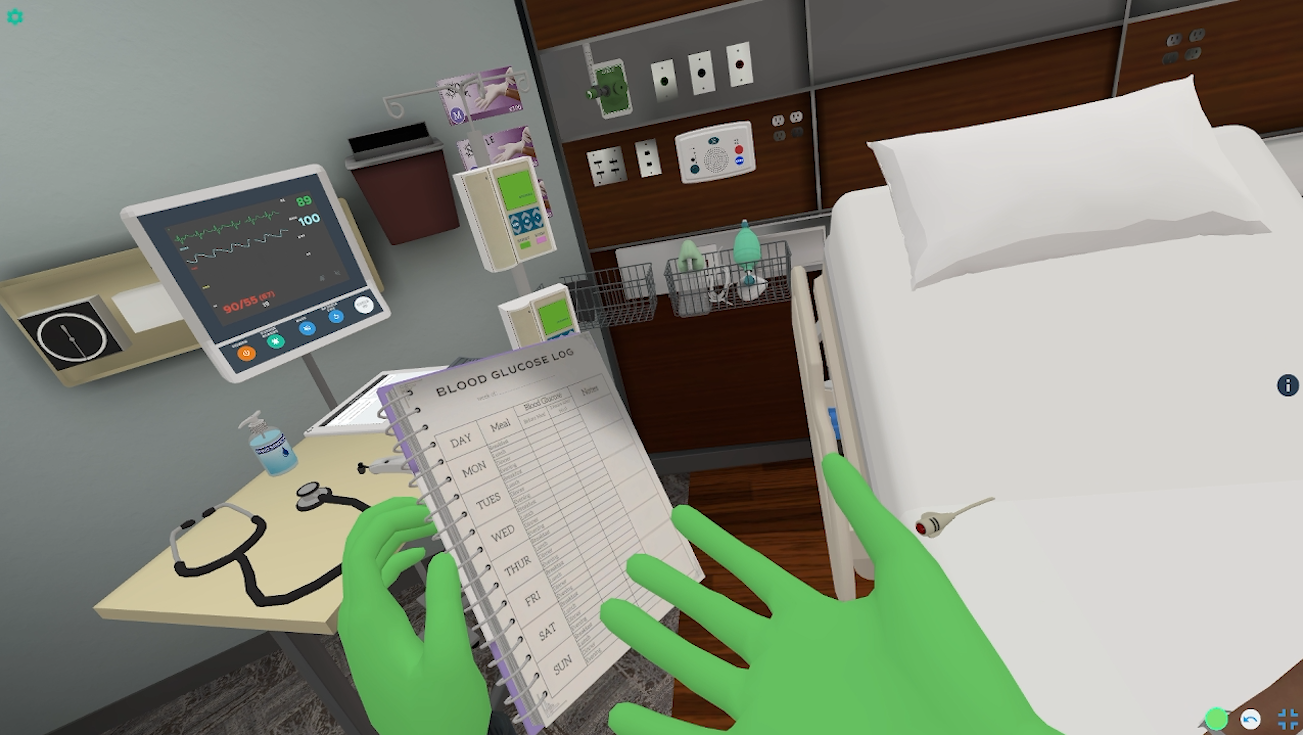
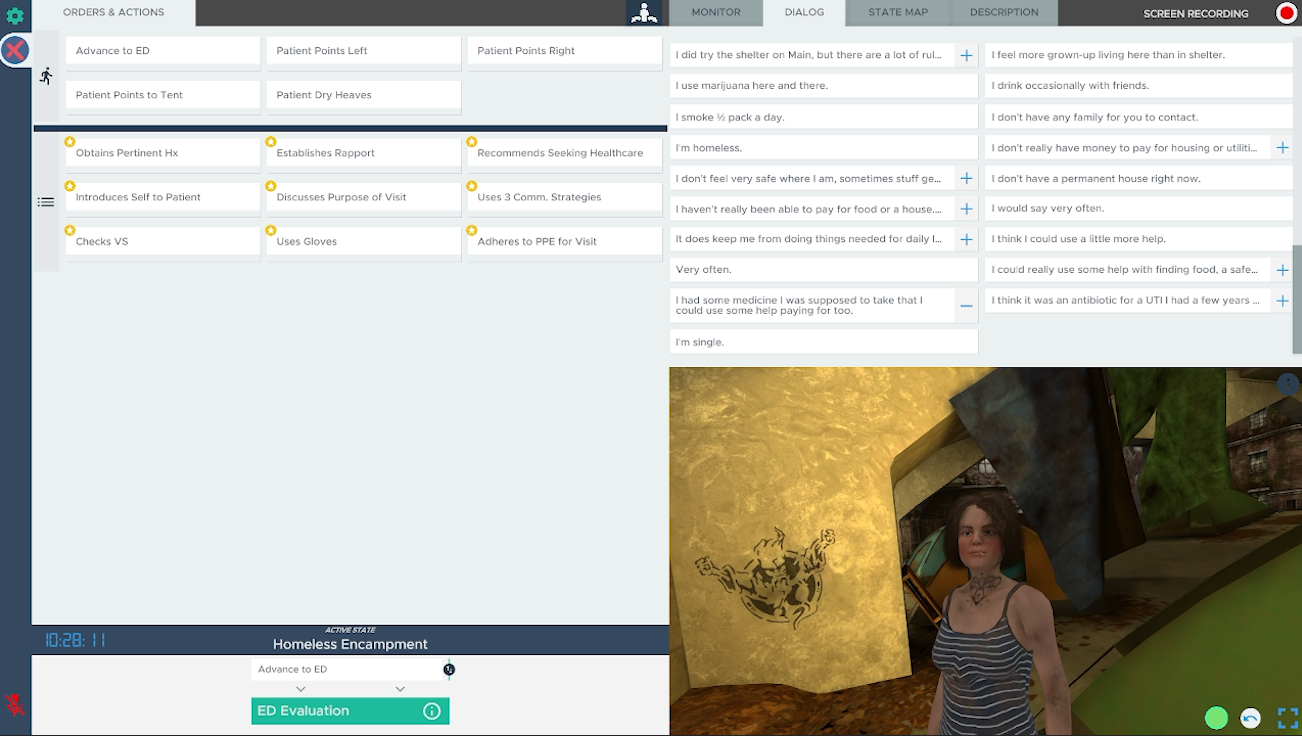
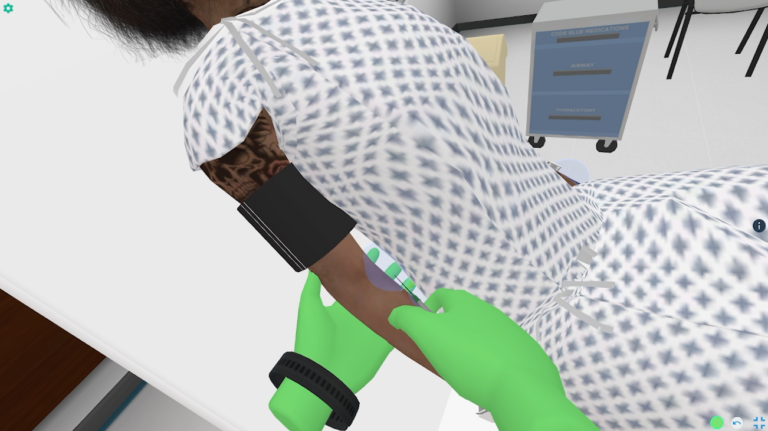
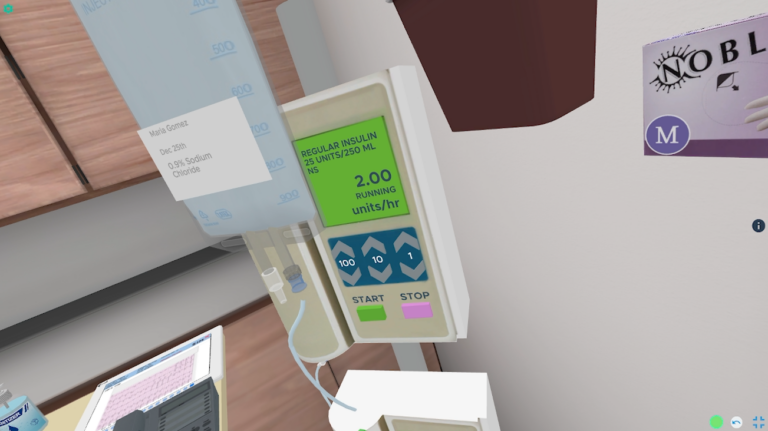
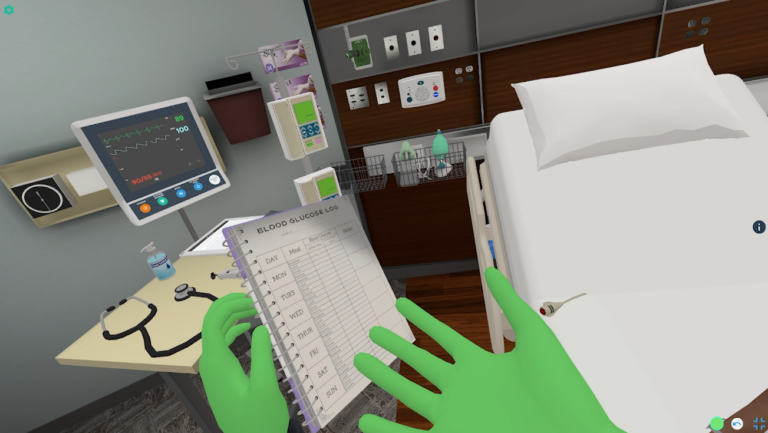
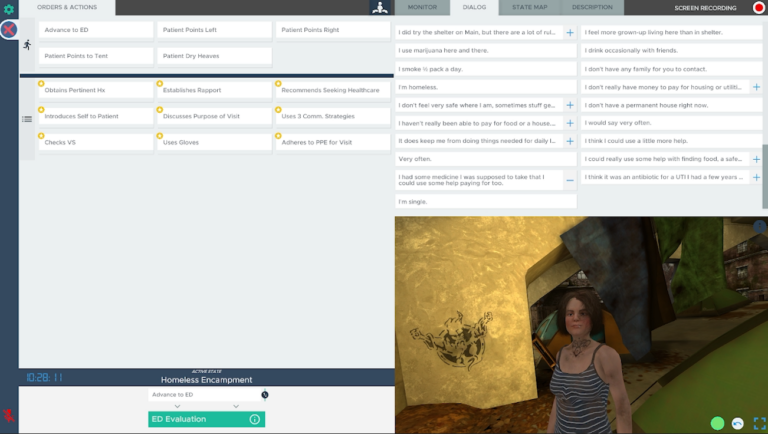
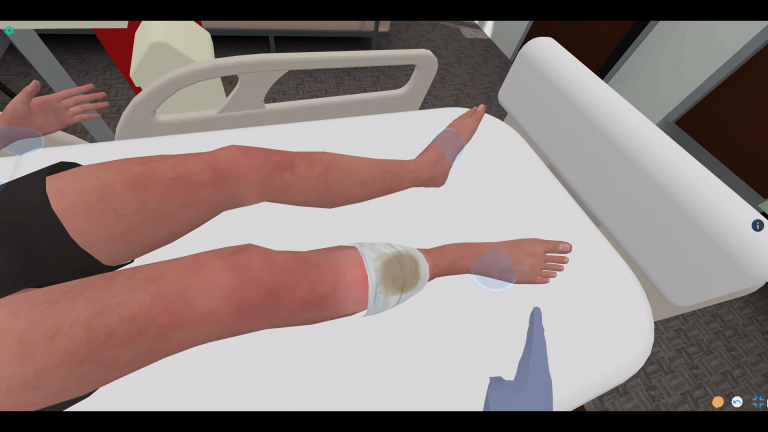
Maria Gomez is a 19-year-old, Latina female who currently lives in an urban encampment in Rochester, NY. Maria has been living at the encampment for 6 months. She does not have access to routine healthcare and is not currently utilizing any social services. The first touchpoint with Maria is at her encampment. The second touchpoint with Maria is at the ED where she is in DKA and needs to be seen by a nurse practitioner. The third touchpoint is after Maria has been admitted for DKA, treated, and is ready for discharge following education on insulin administration, prenatal care, and a decision for safe discharge housing is accomplished.

Learning Objectives

– Perform a health history using 2-3 therapeutic communication strategies to identify SDOH that are impacting health, wellness, and access to social services.
a. Interview at encampment
b. Review of living conditions

– Utilize therapeutic communication to create an opportunity to complete a health history, develop trust, and open lines of communication between the healthcare team and the patient.
a. Assessment
b. Plan
c. Implementation
d. Evaluation

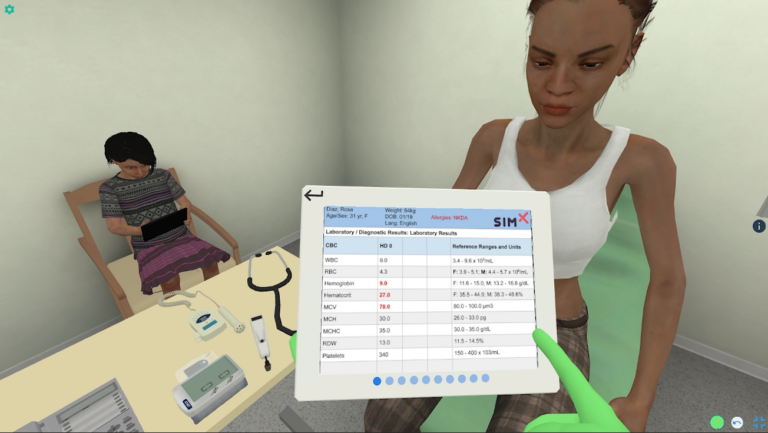
– Identify risk factors and current factors (objective and subjective) that support a diagnosis of DKA.
a. Assessment
b. POC
c. Labs

– Demonstrate knowledge related to the treatment of a patient with DKA.
a. Education
b. Orders
c. Discussion with larger healthcare teams

– Synthesize how a patient’s SDOH factors impact discharge planning.
a. Communication
b. Linking to local resources
c. Patient choice to decline services

– Evaluate the patient’s healthcare encounter to identify strategies aimed at improving the health and wellness of diverse patient groups.
a. Communication
b. Trust

MINIMUM:

OS: Windows 10
Processor: Intel Core i5-2300 | AMD FX-4350
Memory: 4 GB RAM
Graphics: Nvidia GeForce GTX 2060
DirectX: Version 11
Storage: 12 GB available space

RECOMMENDED:

OS: Windows 10
Processor: Intel Core i7-2300 | AMD FX-4350
Memory: 8 GB RAM
Graphics: Nvidia GeForce GTX 3060
DirectX: Version 11
Storage: 12 GB available space

You Don’t Have to Figure Out VR Alone

Our Team Clinicians Will Guide Every Step
Expert education, support, and curriculum integration services are available for this scenario by trained educators and clinicians.
Explore Solutions

“I would recommend SimX VR technology to anyone.”

Jenny Patton CEHRS Manager of Medical Training Platforms