


TCCC-ASM Tier 1: Drone Strike
SimXWhile navigating a debris-choked, narrow alleyway during an urban clearance mission, Sgt Jenkins' squad hears the high-pitched whine of an incoming enemy First-Person View (FPV) kamikaze drone. The drone maneuvers around a collapsed brick building and detonates in mid-air just meters away from him. The blast shatters nearby windows, showers...
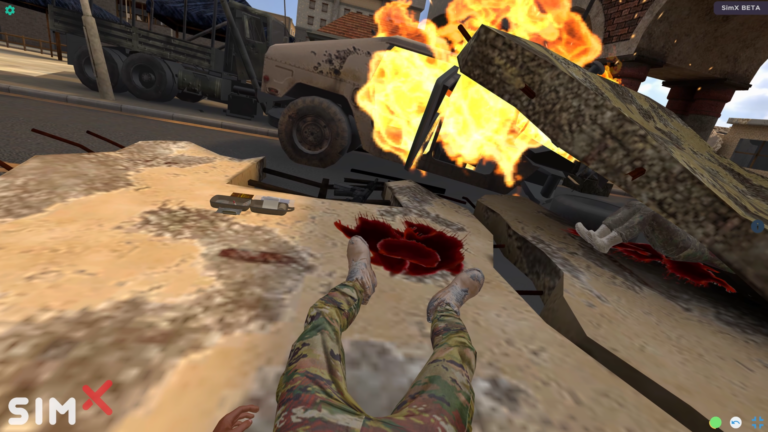
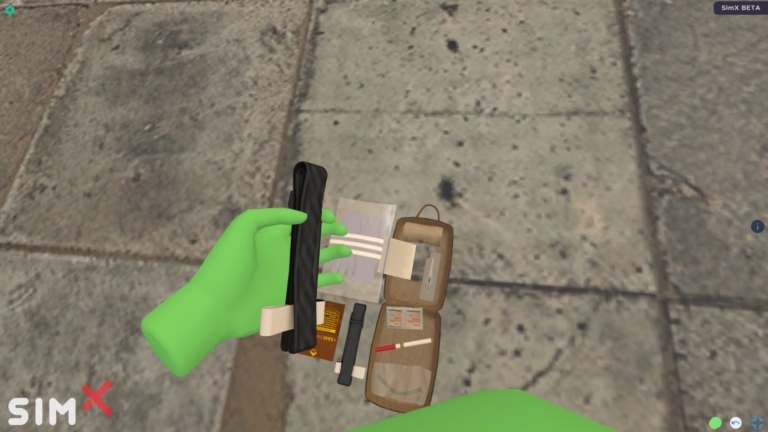
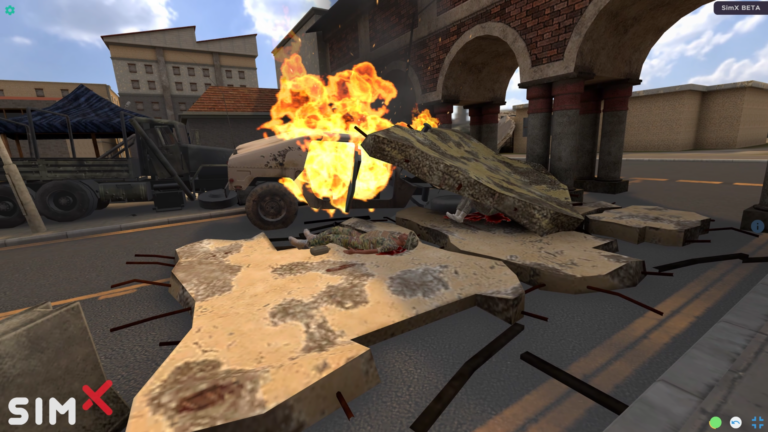

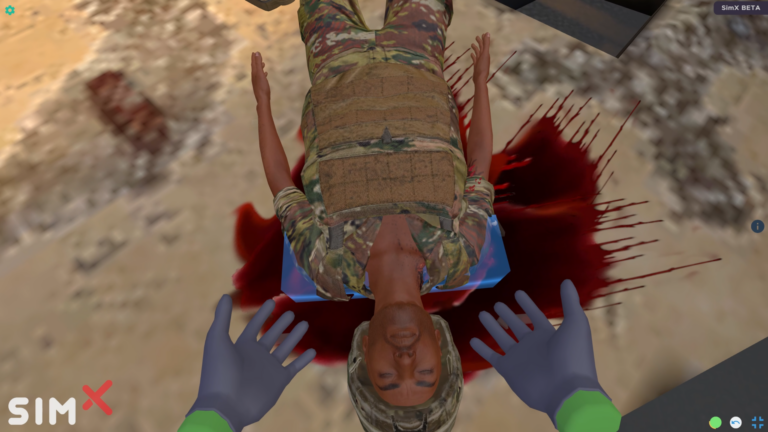

While navigating a debris-choked, narrow alleyway during an urban clearance mission, Sgt Jenkins' squad hears the high-pitched whine of an incoming enemy First-Person View (FPV)...
Nursing Workforce Readiness: A Community Health Nurse Experience
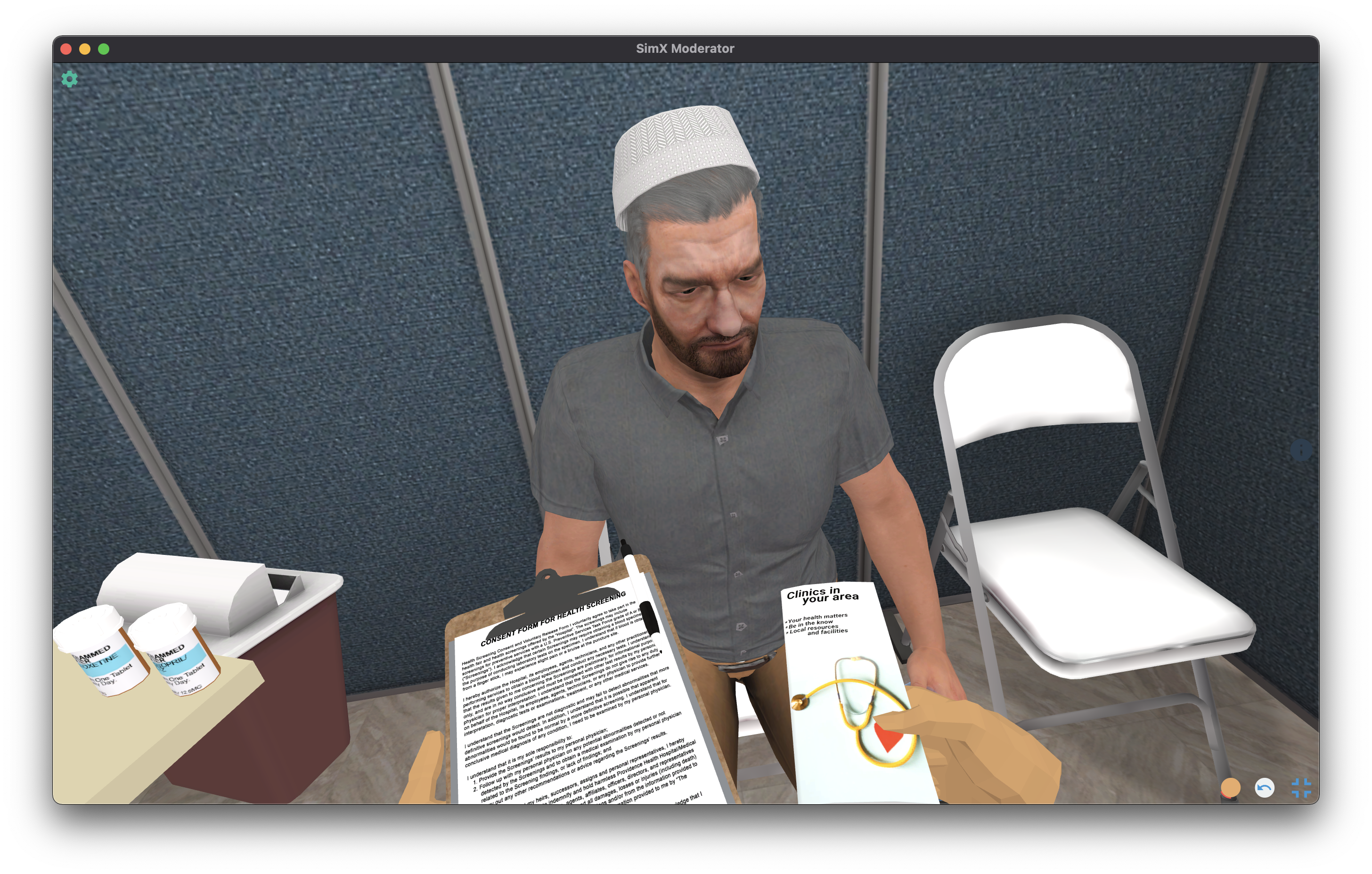
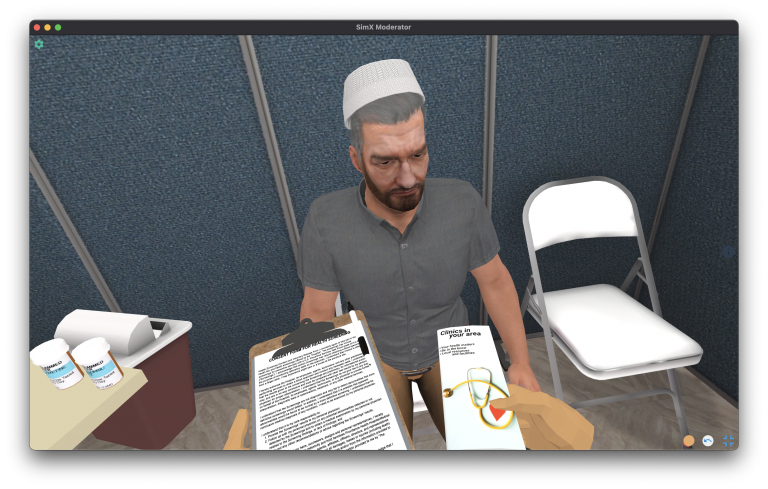
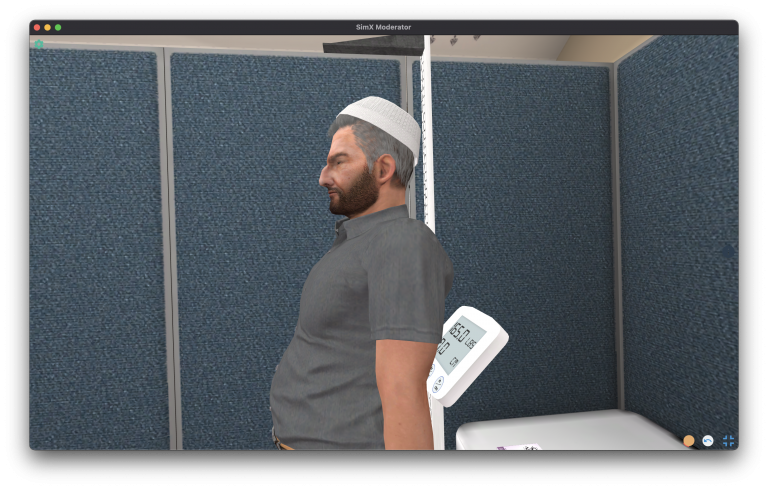
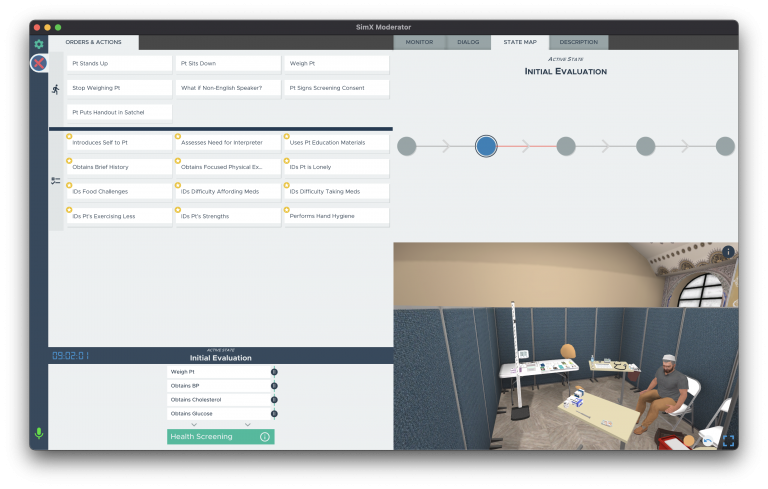
Eastern Michigan University School of Nursing SimXIn this scenario, the learner will treat patients at a mosque as part of a community health fair. The learner must interview a 70-year-old Bangladeshi male with a history of hypertension and depression. Initial assessment requires them to go through a number of health screenings with him. The learner should...

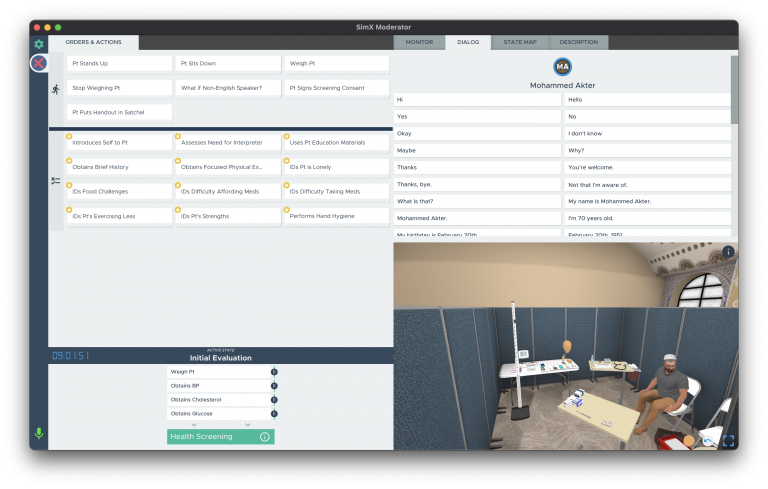

Nursing Workforce Readiness: A Community Health Nurse Experience
In this scenario, the learner will treat patients at a mosque as part of a community health fair. The learner must interview a 70-year-old Bangladeshi...
Nursing Workforce Readiness: Pediatric Fluid and Electrolyte Imbalance
SimXA 2-year-old boy presents to the hospital with severe dehydration and gastroenteritis. His father reports multiple episodes of vomiting and diarrhea following a visit to the carnival. Despite attempting oral rehydration at home, the patient’s condition worsened, leading to lethargy and decreased responsiveness. Learners will assess, intervene, and communicate with...
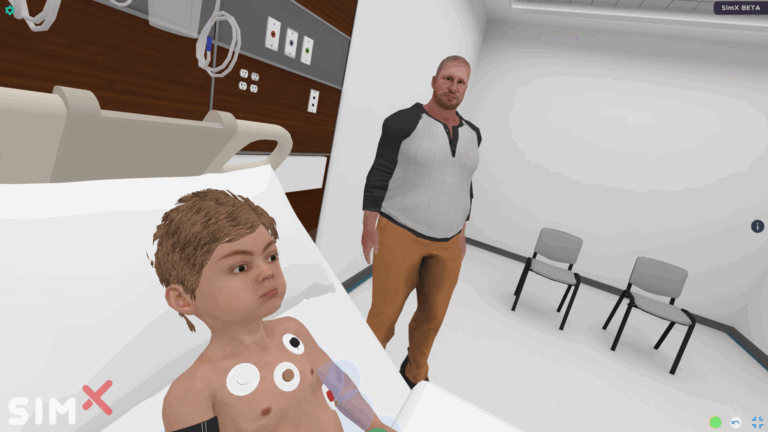
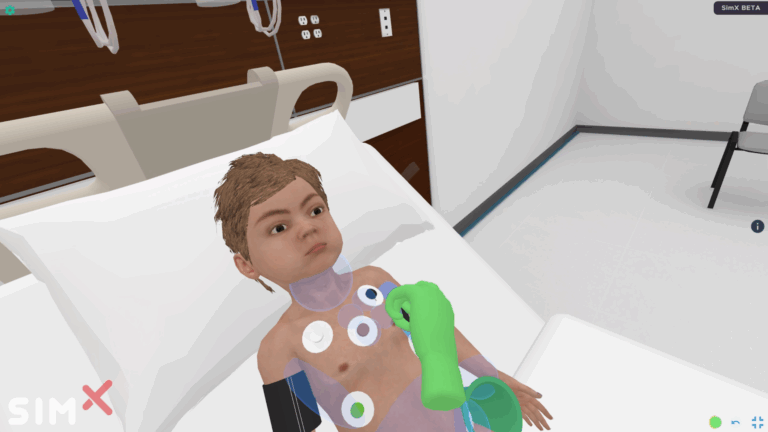
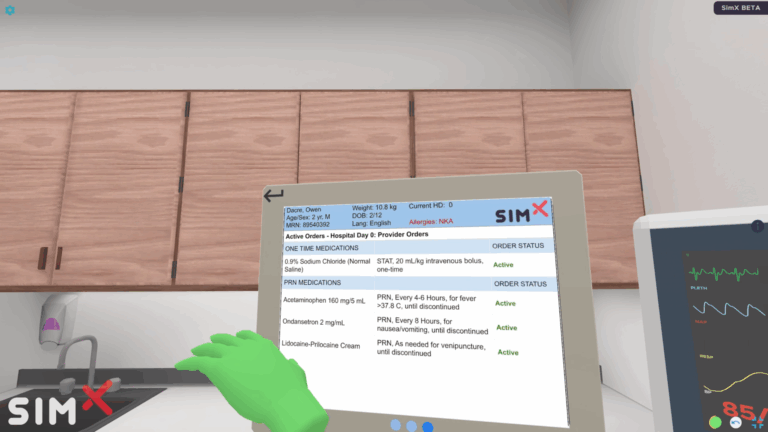
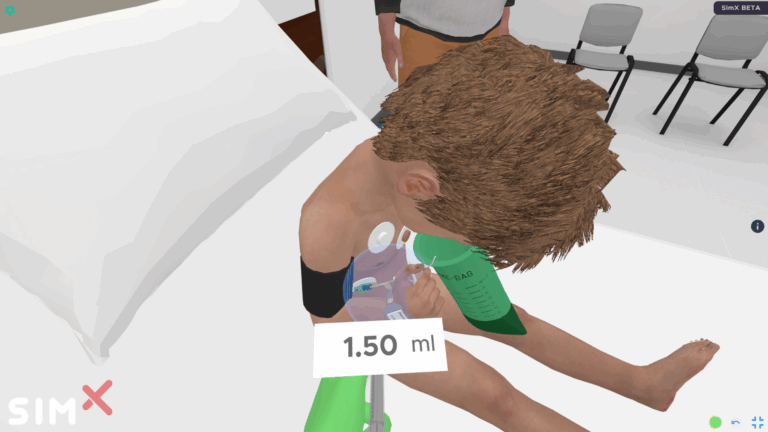
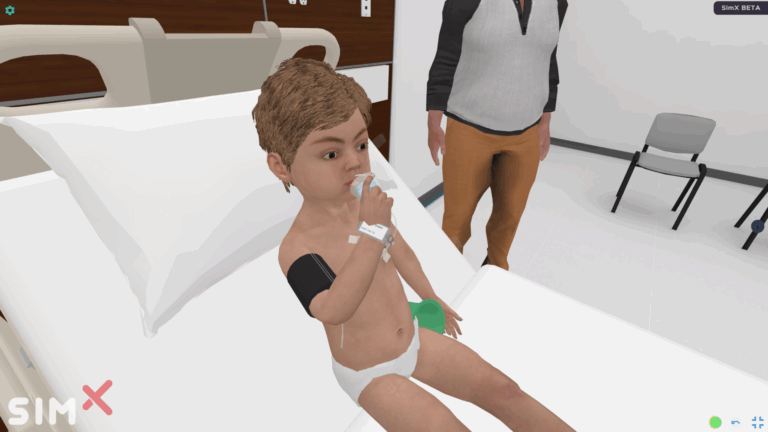
A 2-year-old boy presents to the hospital with severe dehydration and gastroenteritis. His father reports multiple episodes of vomiting and diarrhea following a visit to...
Nursing Workforce Readiness: Inpatient Altered Mental Status
SimXWilliam Kotari, a 72-year-old male, is currently admitted to the medical-surgical unit for the management of an infected diabetic foot ulcer. While in the room, his wife, Susan Kotari, alerts the nurse to sudden neurological changes. She states that he was last seen normal 45 minutes ago, but now exhibits...

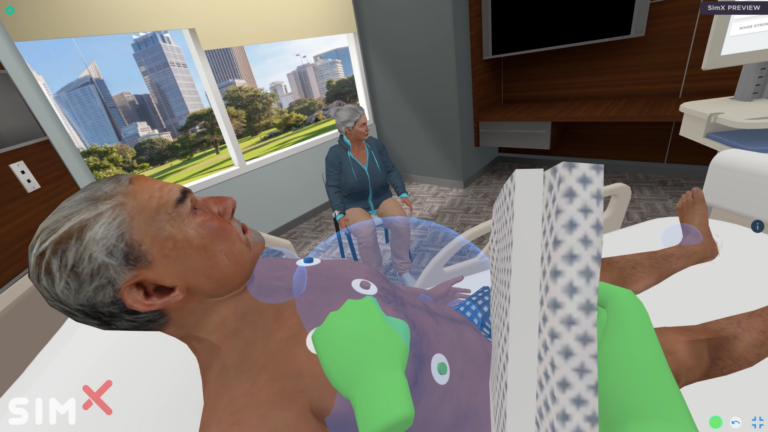
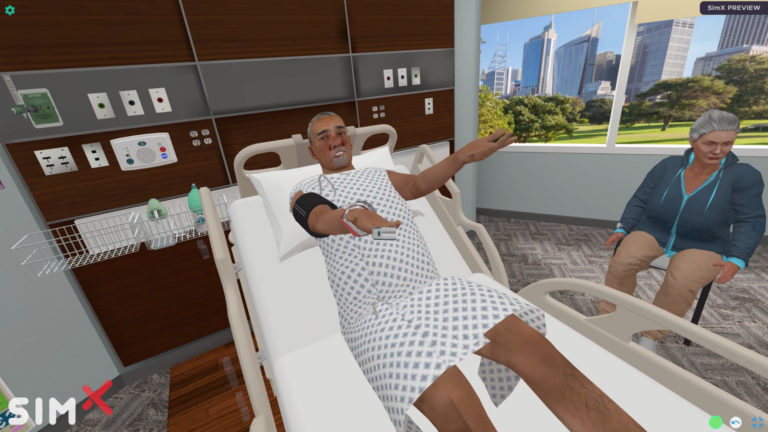
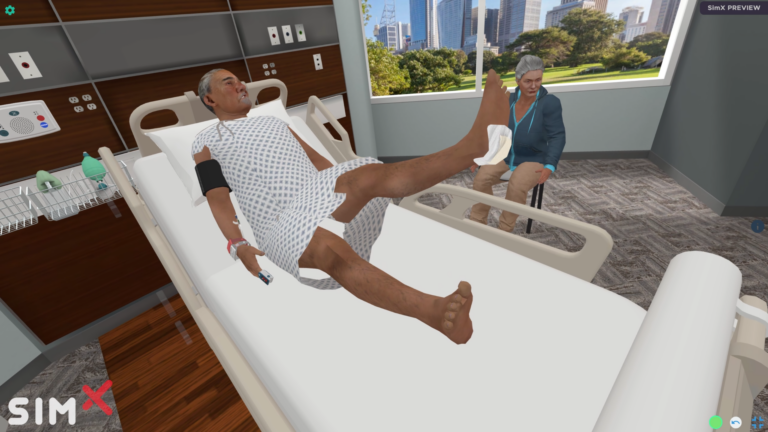
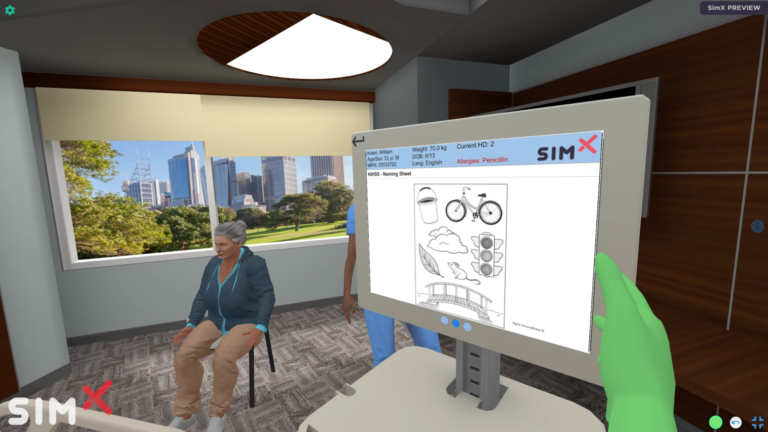
William Kotari, a 72-year-old male, is currently admitted to the medical-surgical unit for the management of an infected diabetic foot ulcer. While in the room,...
Nursing Workforce Readiness: Management of Metabolic Disorders
SimXSara Ramirez, a 24-year-old female with a known history of type 1 diabetes, is brought to the emergency department by ambulance after several days of feeling unwell. Family reports that she has been excessively thirsty, urinating frequently, and complaining of abdominal pain, nausea, and fatigue. She admits to missing several...
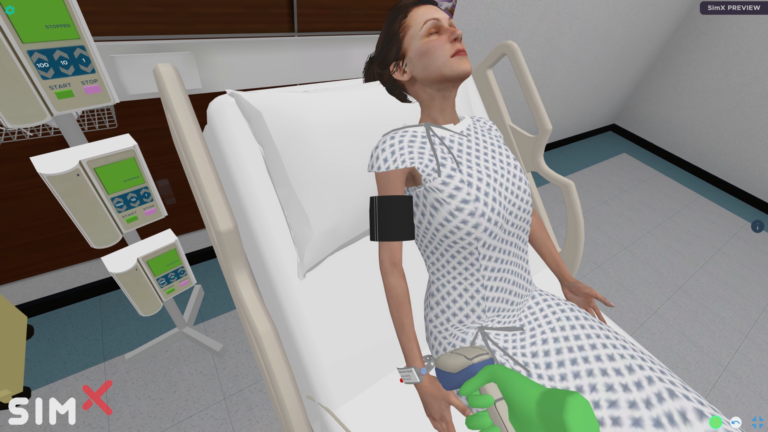

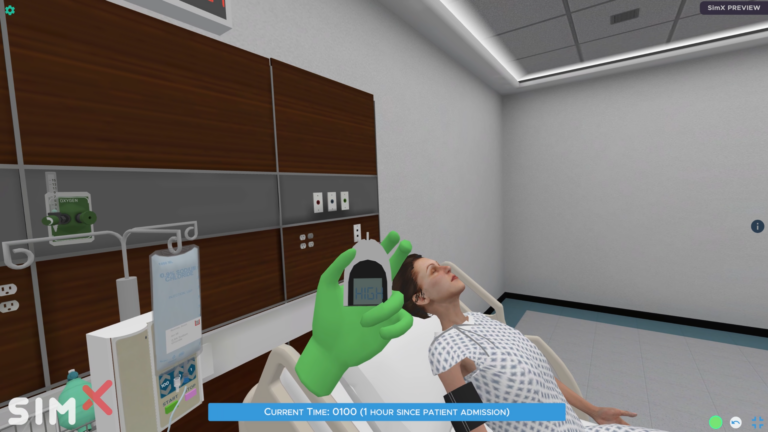


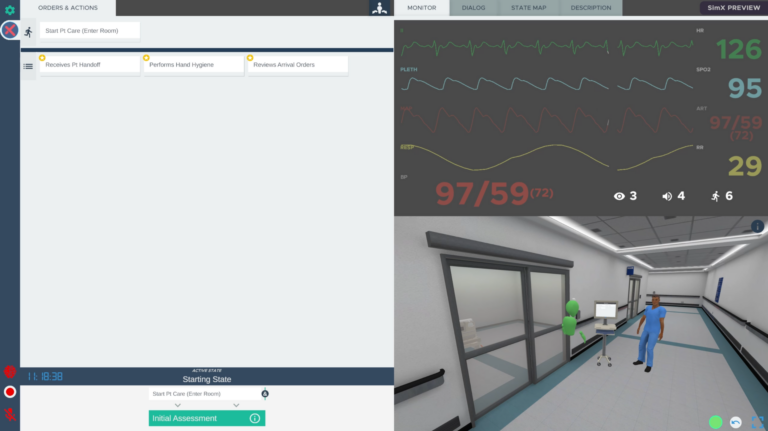
Sara Ramirez, a 24-year-old female with a known history of type 1 diabetes, is brought to the emergency department by ambulance after several days of...

Nursing Workforce Readiness: Systemic Infection Response
SimXA 68-year-old male presents to the Emergency Department with a 4-day history of worsening cough, fever, and shortness of breath. Family reports the cough is productive of yellow sputum, and they note poor appetite and increasing confusion. Despite initial EMS oxygen administration, the patient's condition deteriorated en route, exhibiting persistent...

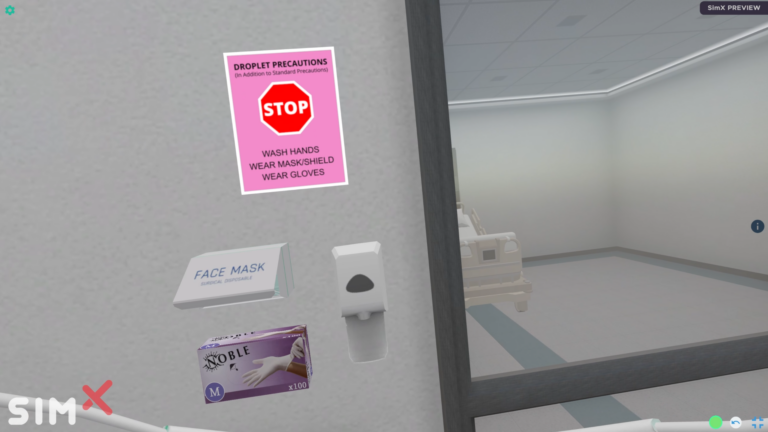
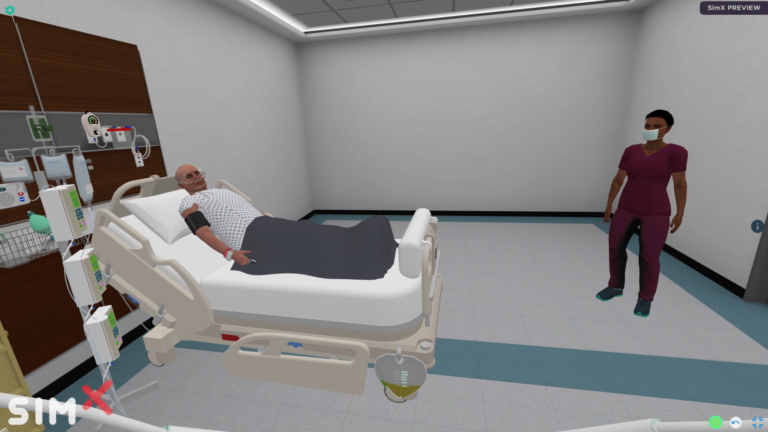
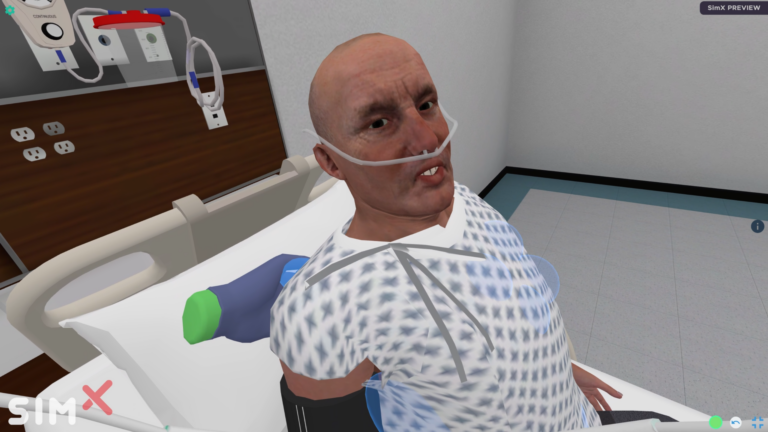

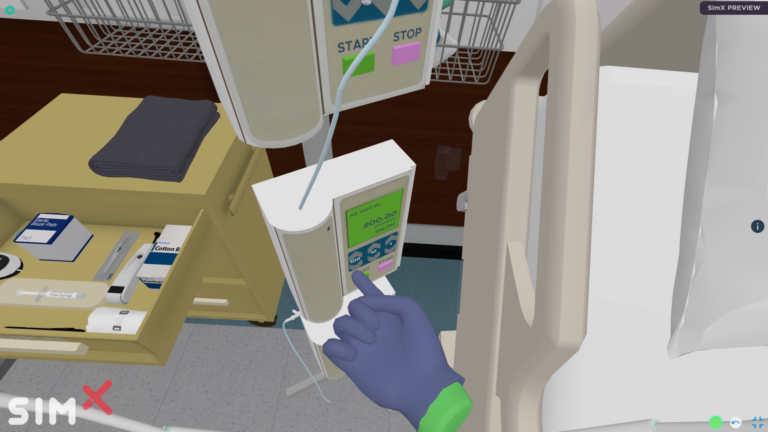

A 68-year-old male presents to the Emergency Department with a 4-day history of worsening cough, fever, and shortness of breath. Family reports the cough is...

Nursing Workforce Readiness: Refractory Hypoxemia in the ICU
SimXA 52-year-old male, Michael Johnson, with a history of hypertension and type 2 diabetes, is intubated and mechanically ventilated in the ICU for progressive shortness of breath following severe pneumonia. The patient is sedated and on assist-control ventilation, but despite initial settings, the patient’s condition worsens, with the patient hypotensive...


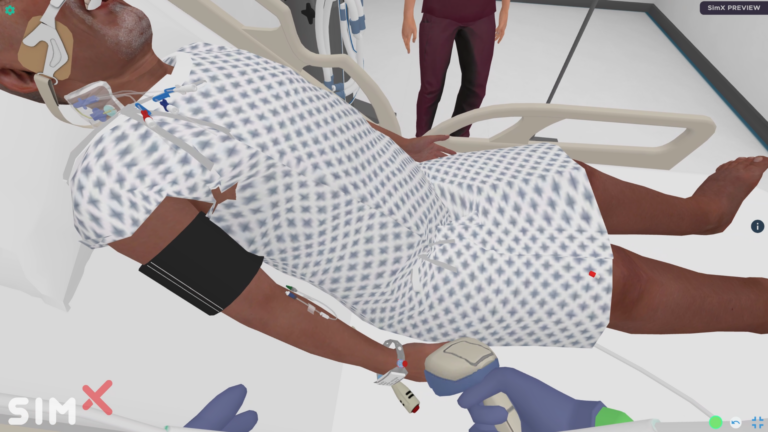


A 52-year-old male, Michael Johnson, with a history of hypertension and type 2 diabetes, is intubated and mechanically ventilated in the ICU for progressive shortness...

Nursing Workforce Readiness: Medication Access in Mental Health Conditions
SimXA 24-year-old male is admitted with an acute exacerbation of chronic schizophrenia. He is pacing the room, responding to internal stimuli (auditory hallucinations), and exhibiting paranoia regarding his medication and food. Learners must establish a therapeutic rapport, assess for command hallucinations, and administer medication safely. Once the patient is stabilized,...
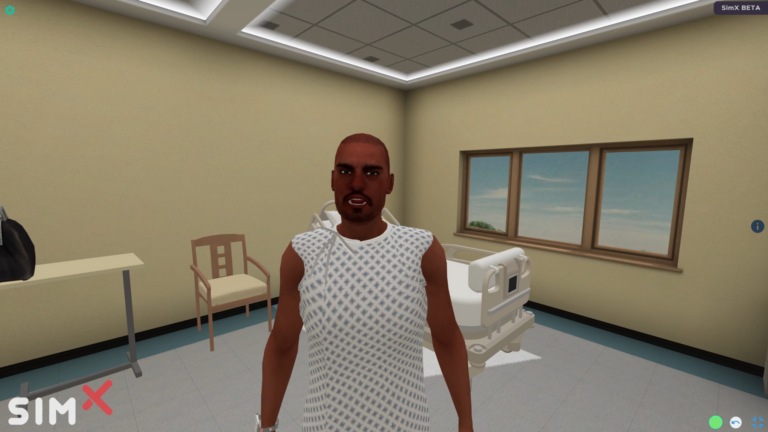

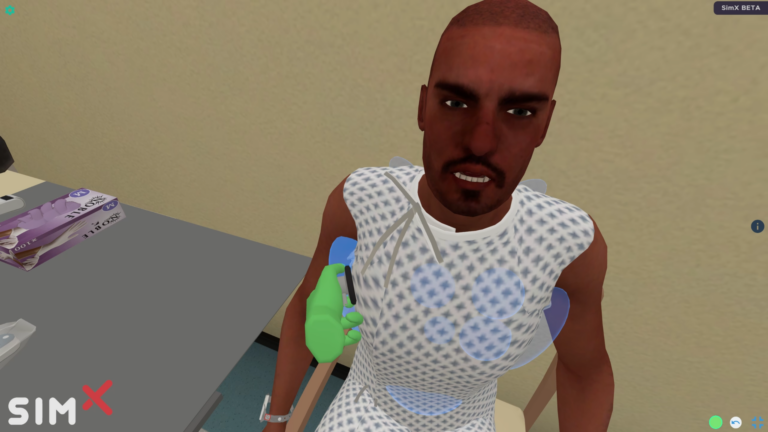
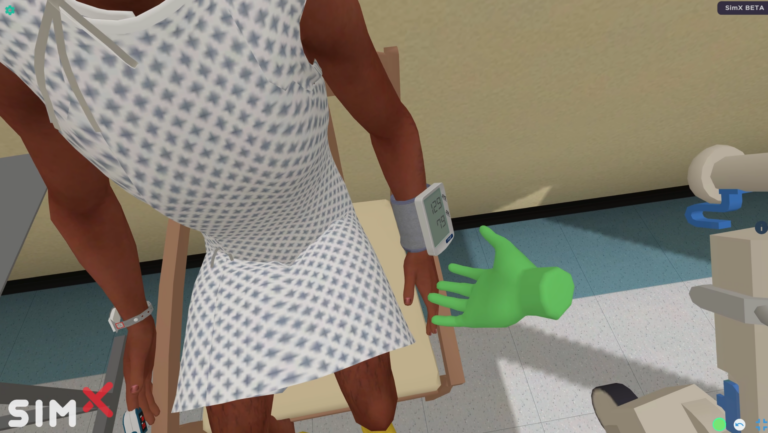
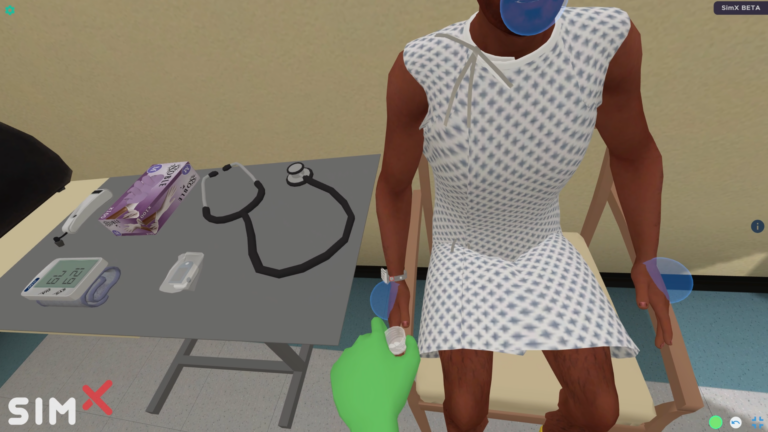
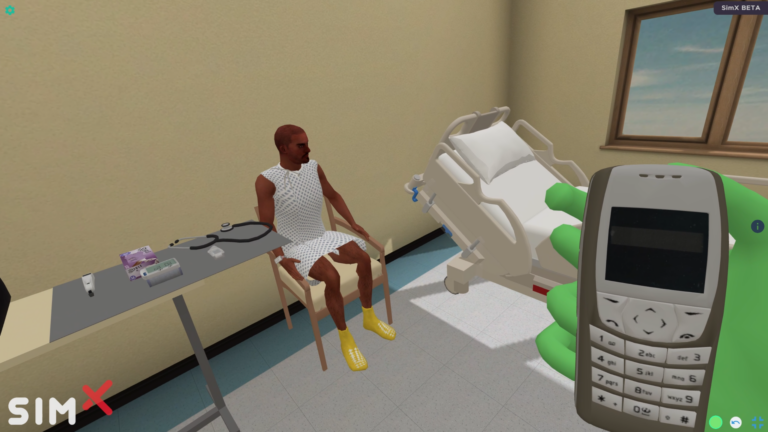

A 24-year-old male is admitted with an acute exacerbation of chronic schizophrenia. He is pacing the room, responding to internal stimuli (auditory hallucinations), and exhibiting...
Nursing Workforce Readiness: Pediatric Infection Control
SimXA 3-month-old male presented to the emergency department yesterday with a temp of 39.2⁰ C for 2 days, decreased oral intake, sleeping poorly, increased irritability/crying, and decreased number of wet diapers. In the ER, the patient was noted to have dry mucous membranes as well as a rash. A lumbar...

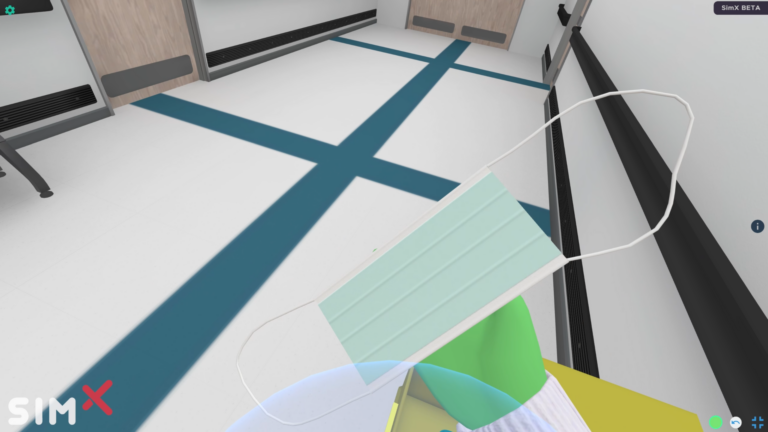
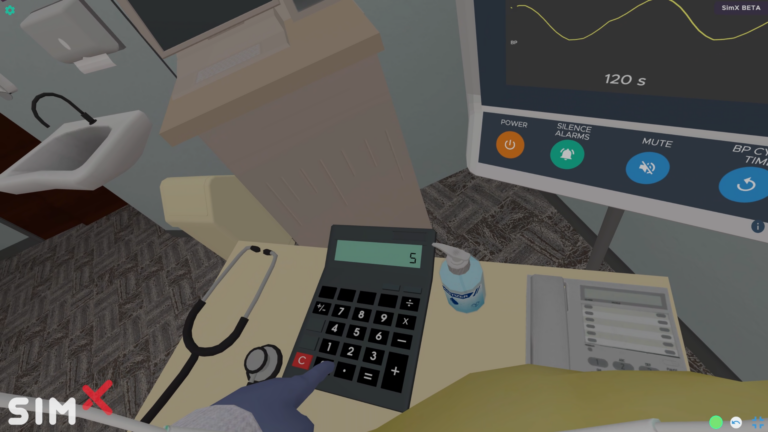
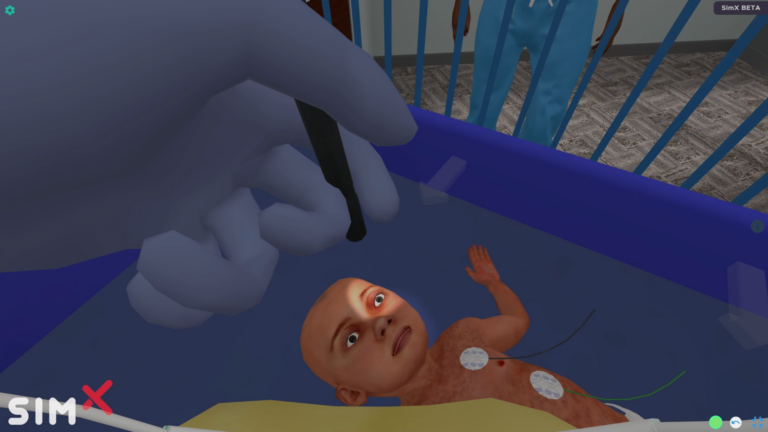
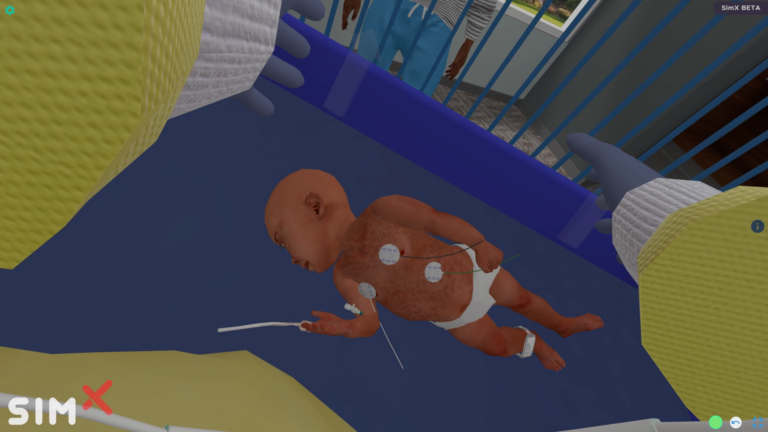
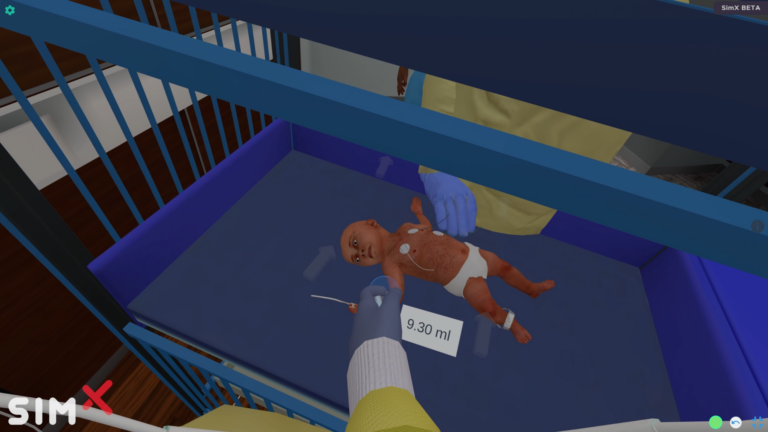
A 3-month-old male presented to the emergency department yesterday with a temp of 39.2⁰ C for 2 days, decreased oral intake, sleeping poorly, increased irritability/crying,...
Nursing Workforce Readiness: Prenatal Care and Complications
SimXIn this scenario, learners will care for a 29-year-old G1P0 patient in a Labor & Delivery setting who has a diagnosis of severe preeclampsia, and learners will implement seizure precautions, recognize clinical deterioration despite Magnesium Sulfate prophylaxis, and manage an eclamptic seizure, including post-ictal stabilization and assessment for Magnesium toxicity....
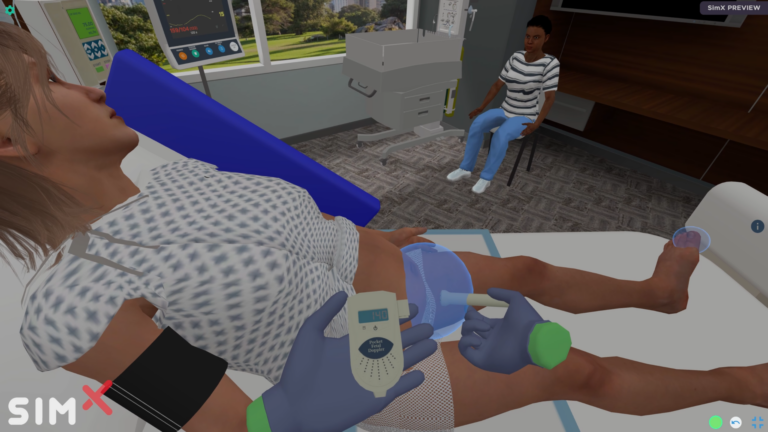
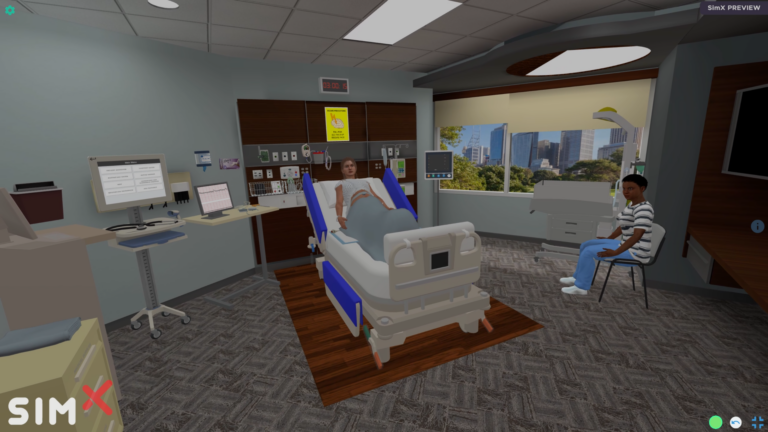

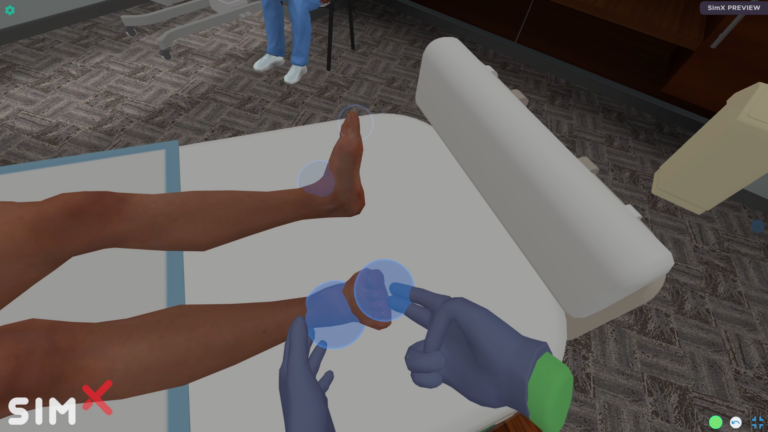
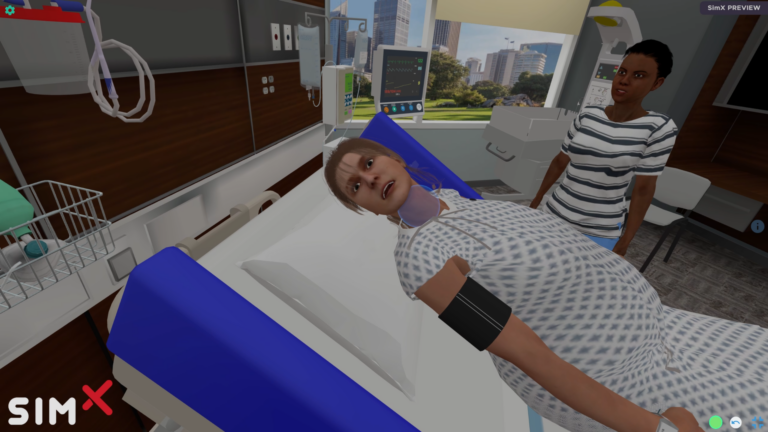
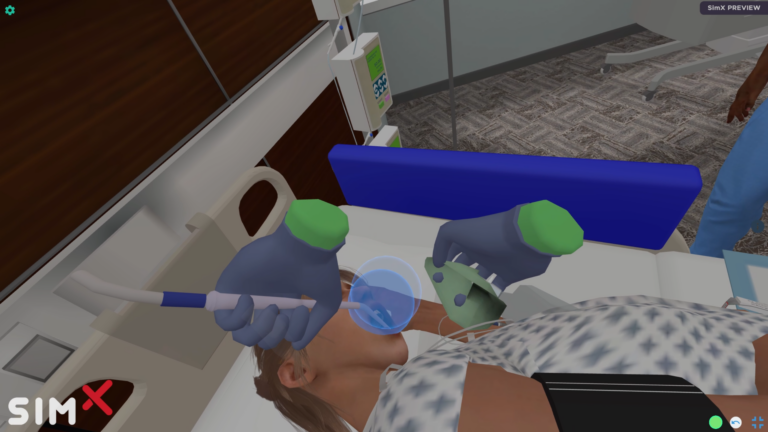
In this scenario, learners will care for a 29-year-old G1P0 patient in a Labor & Delivery setting who has a diagnosis of severe preeclampsia, and...
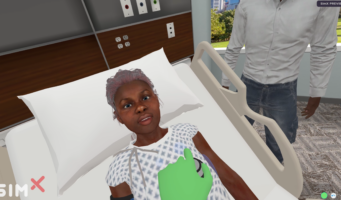
Nursing Workforce Readiness: Antibiotic Initiation and Response
SimXLearners will care for Kendra Webb, an 18-year-old admitted for osteomyelitis following a soccer injury. While beginning her first dose of the IV antibiotics, Kendra develops rapid-onset anaphylaxis, progressing from localized itching to life-threatening airway obstruction and hypotension. Learners must prioritize interventions using clinical judgment to support the patient, stop...

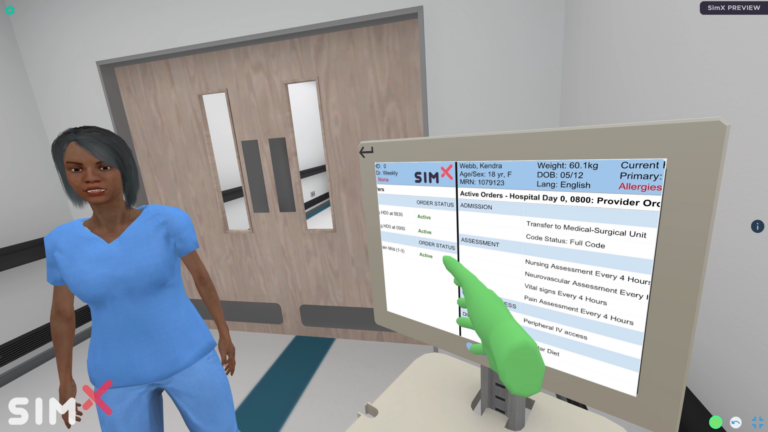

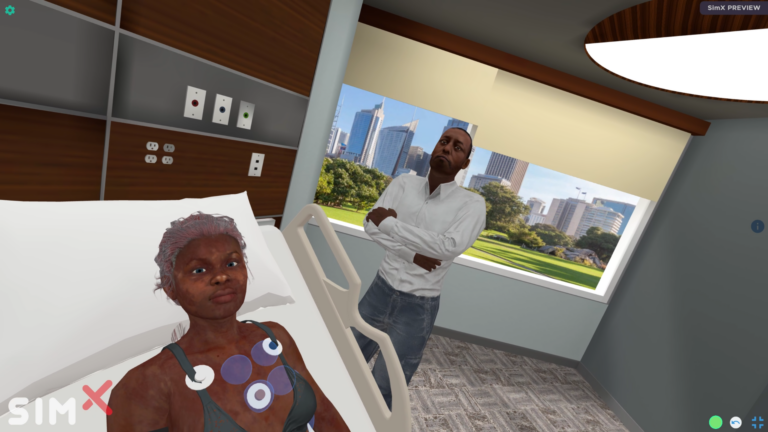

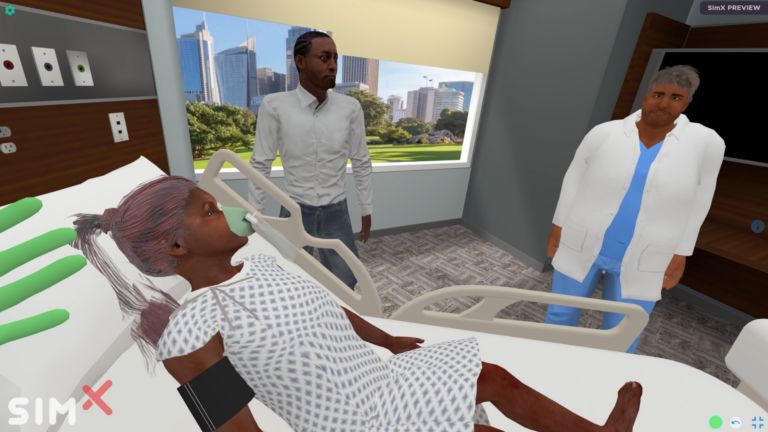
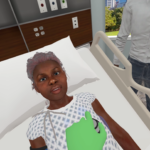
Learners will care for Kendra Webb, an 18-year-old admitted for osteomyelitis following a soccer injury. While beginning her first dose of the IV antibiotics, Kendra...
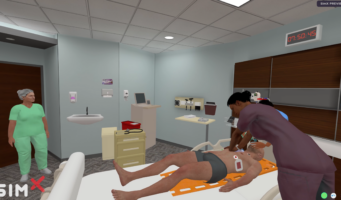
Nursing Workforce Readiness: Recognition and Management of Acute Cardiac Decompensation
SimXWhile caring for a patient on an inpatient medical-surgical unit, the learner will encounter a sudden cardiac emergency. The participant must activate hospital response systems, initiate Basic Life Support (BLS), and delegate roles to arriving support staff based on their scope of practice. The scenario concludes once the code team...
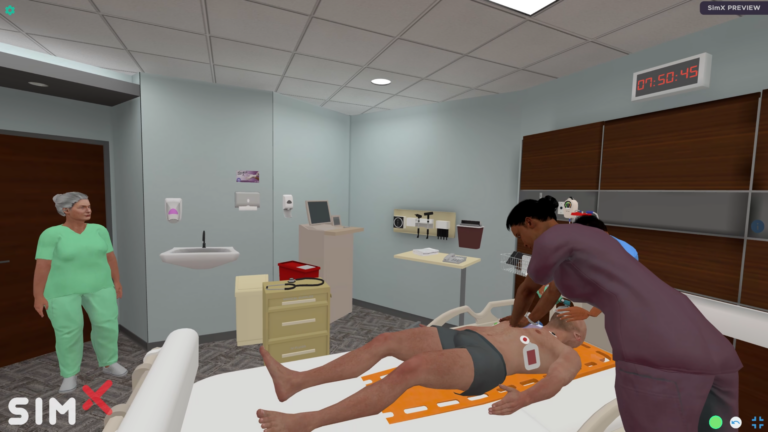

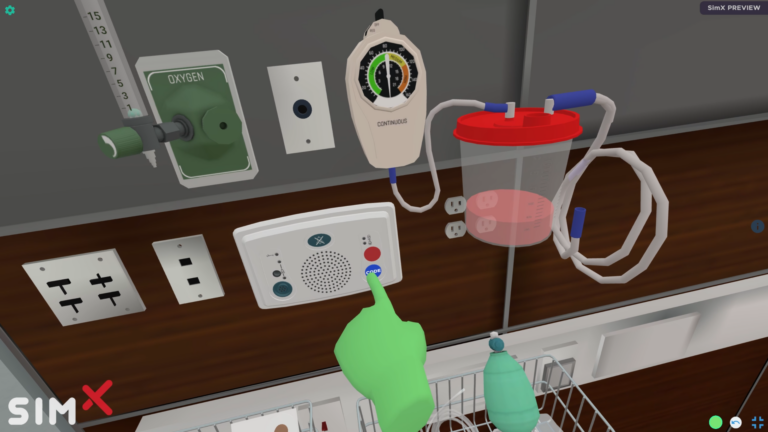

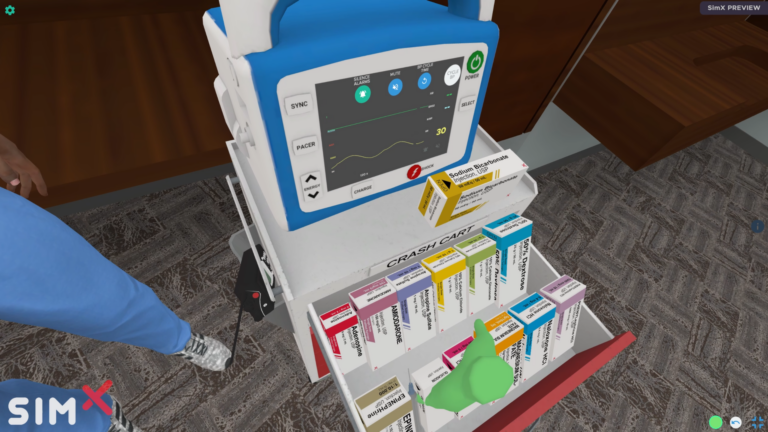
While caring for a patient on an inpatient medical-surgical unit, the learner will encounter a sudden cardiac emergency. The participant must activate hospital response systems,...
Nursing Workforce Readiness: Postoperative Complications
SimXIn this scenario, learners manage the post-operative transition of 52-year-old Carly Styles following a T6-T8 posterior spinal fusion. The case begins with routine post-surgical care, focusing on neurovascular assessment and Patient-Controlled Analgesia (PCA) education. While caring for the patient, a post-operative complication becomes apparent and the learners must manage the...
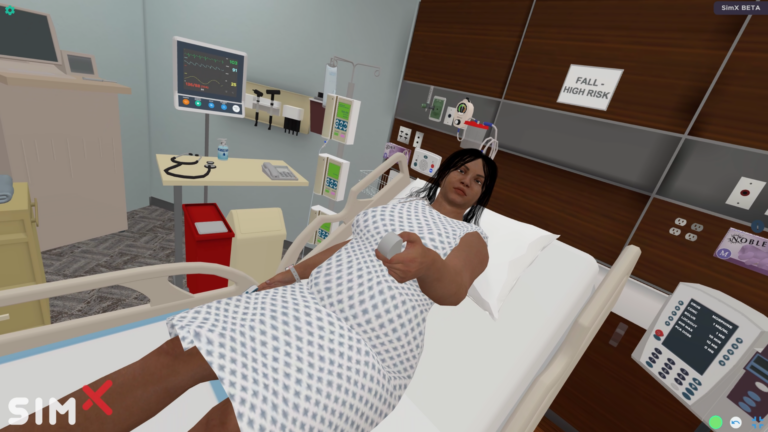
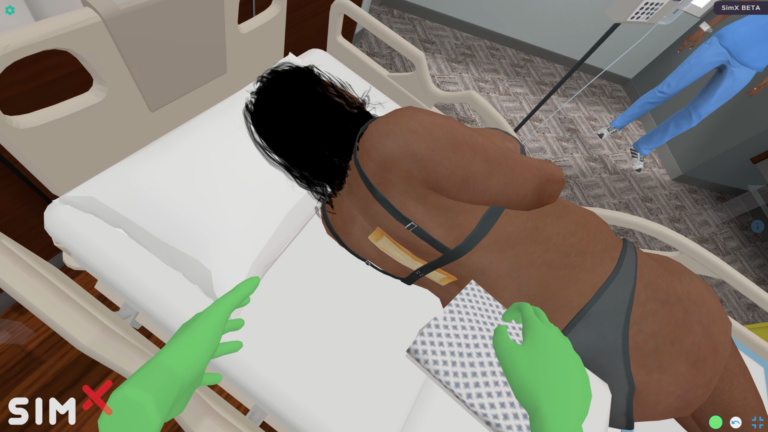
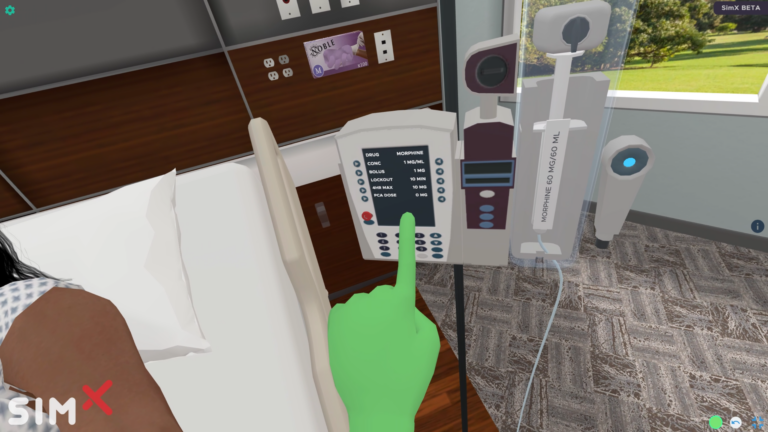
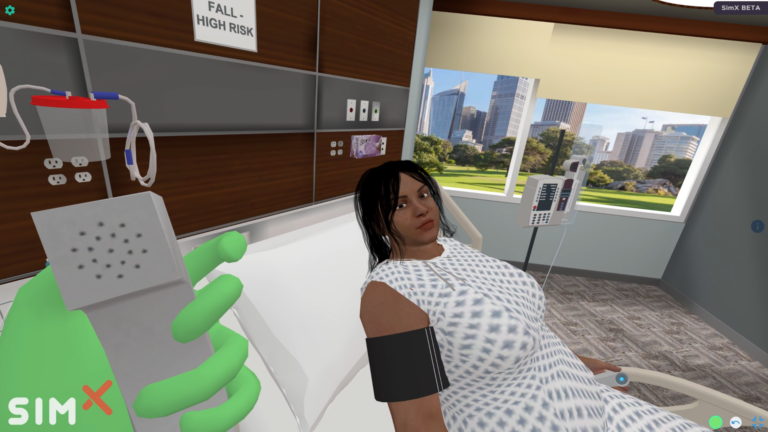
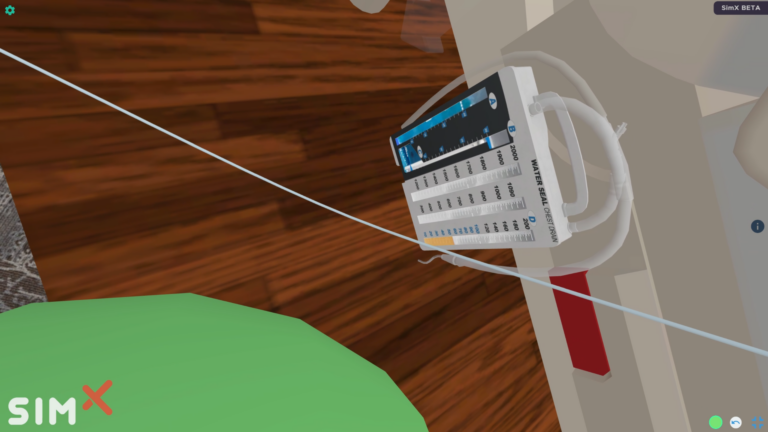
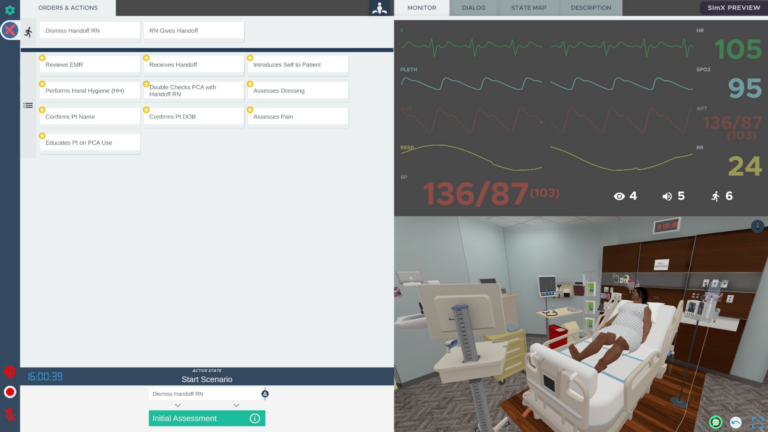
In this scenario, learners manage the post-operative transition of 52-year-old Carly Styles following a T6-T8 posterior spinal fusion. The case begins with routine post-surgical care,...
Nursing Workforce Readiness: Outpatient Heart Failure
SimXA patient, recently diagnosed with heart failure during an inpatient stay for respiratory distress and pneumonia, presents to the outpatient clinic. He was discharged two weeks ago with new medications that he has not yet filled or taken. The patient does not understand the necessity of the medication and demonstrates...
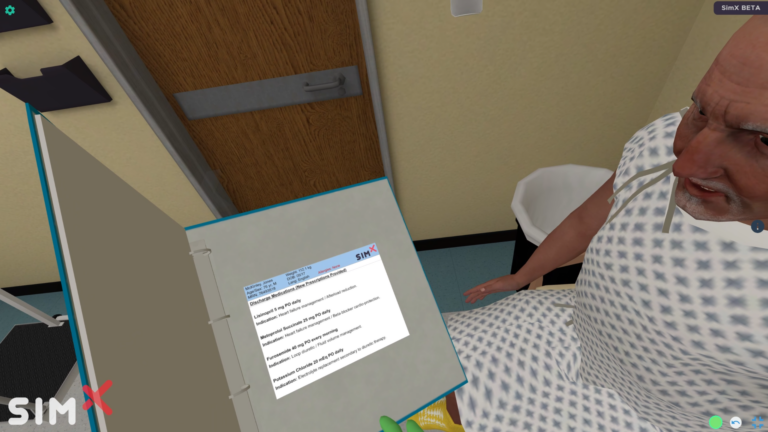
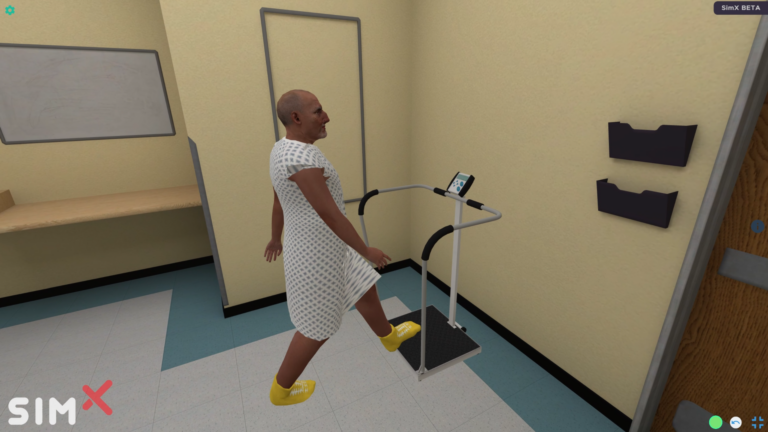
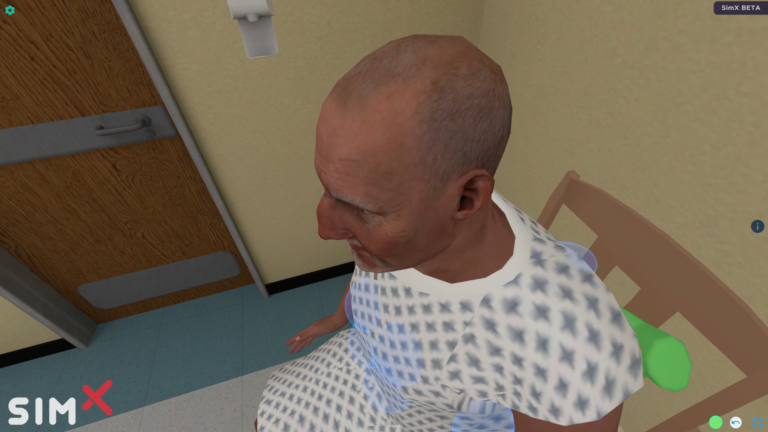
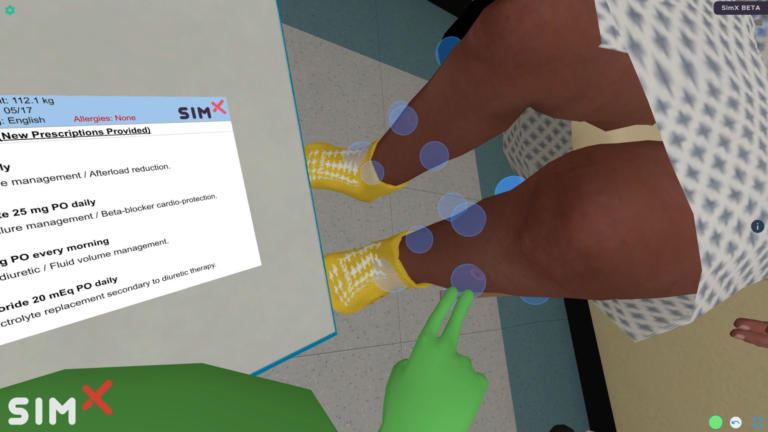
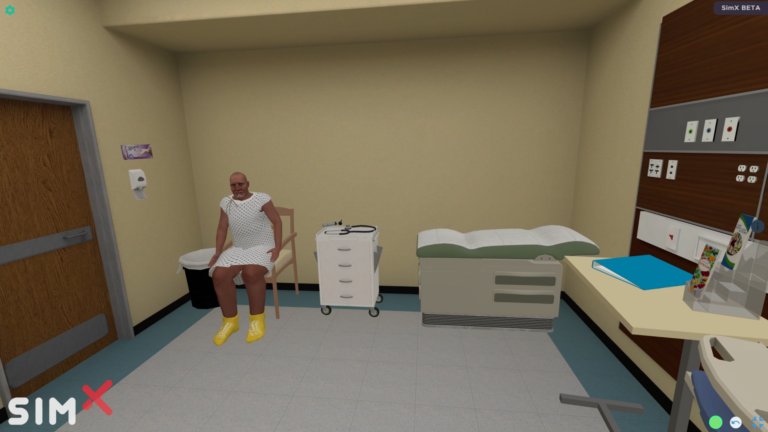
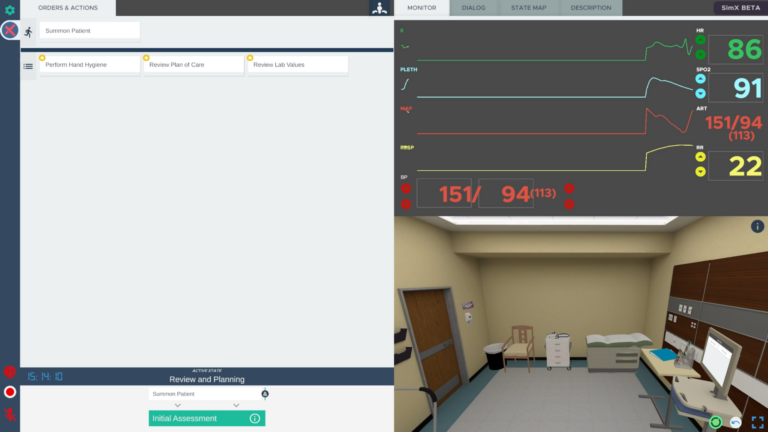
A patient, recently diagnosed with heart failure during an inpatient stay for respiratory distress and pneumonia, presents to the outpatient clinic. He was discharged two...
Nursing Workforce Readiness: Postpartum Emergency
SimXA 37-year-old female is arriving at the postpartum unit after delivering a male via vaginal delivery 4 hours ago at 38 and 2 weeks of gestation. The patient's labor was complicated by maternal preeclampsia, and she received magnesium sulfate during labor. Learners will have the opportunity to assess and manage...
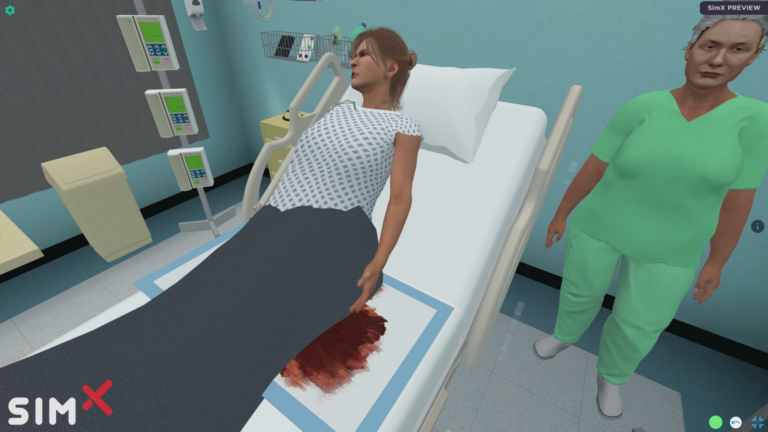
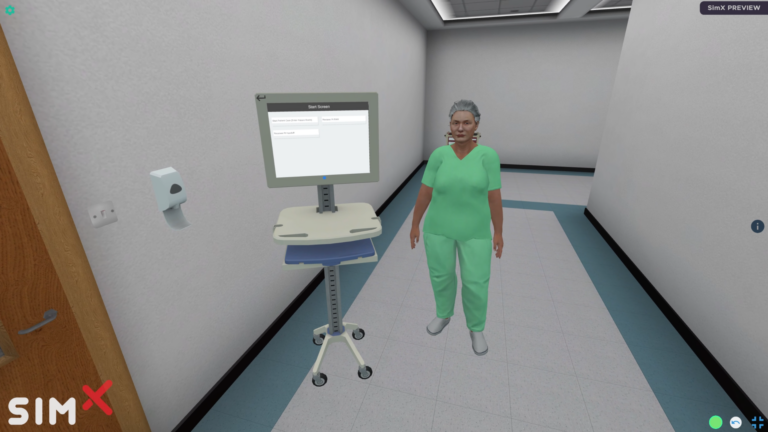
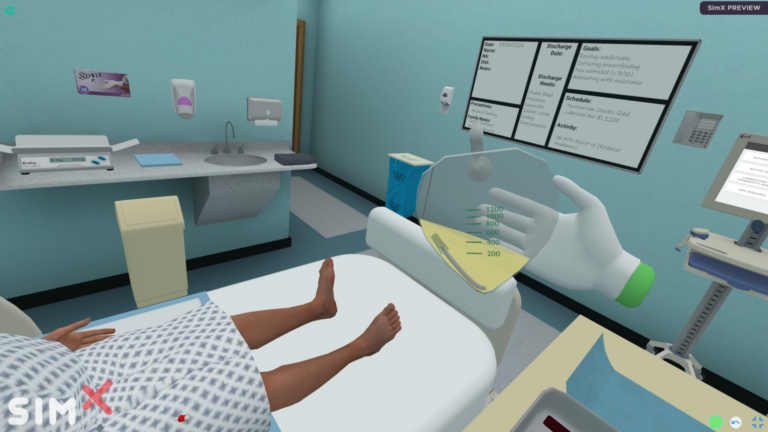
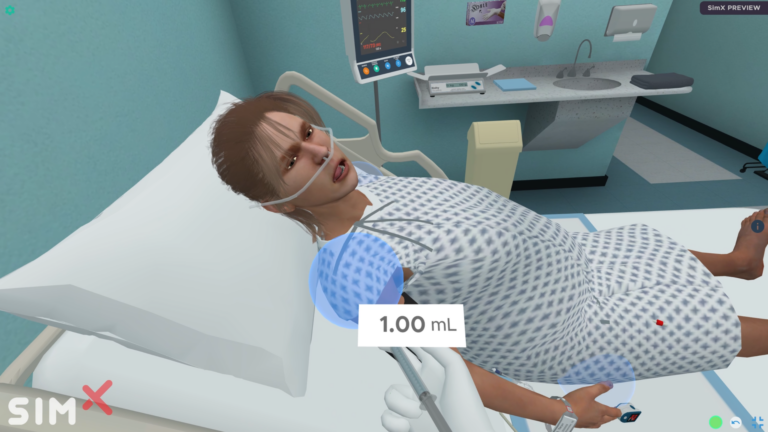
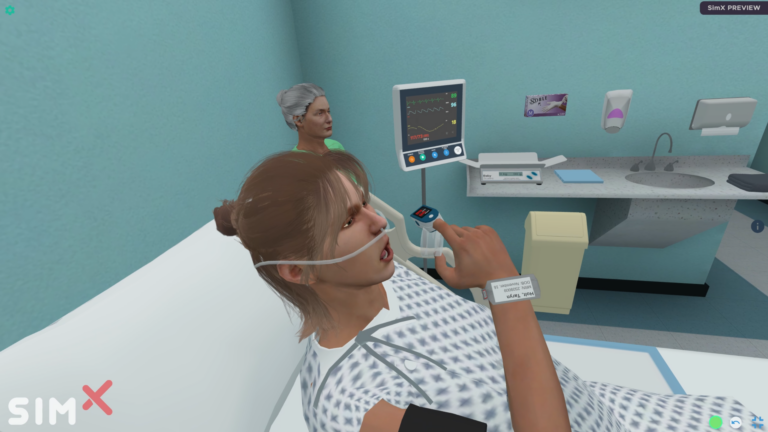
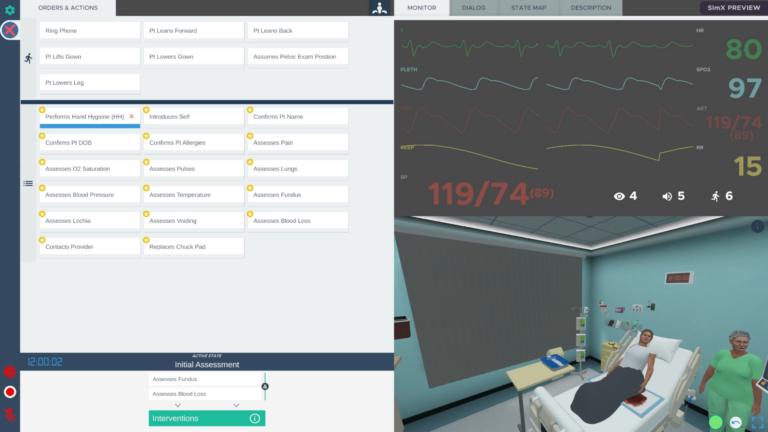
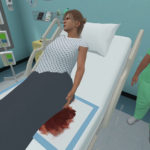
A 37-year-old female is arriving at the postpartum unit after delivering a male via vaginal delivery 4 hours ago at 38 and 2 weeks of...
Nursing Workforce Readiness: Family Centered Care during Psychological Diagnosis
SimXA young adult male is admitted to the psychiatric unit with symptoms of acute mania. The patient has just been diagnosed with Bipolar I and is ordered for stabilization, education, and medication initiation and titration. The patient lives with their brother who is very supportive and present during this admission....
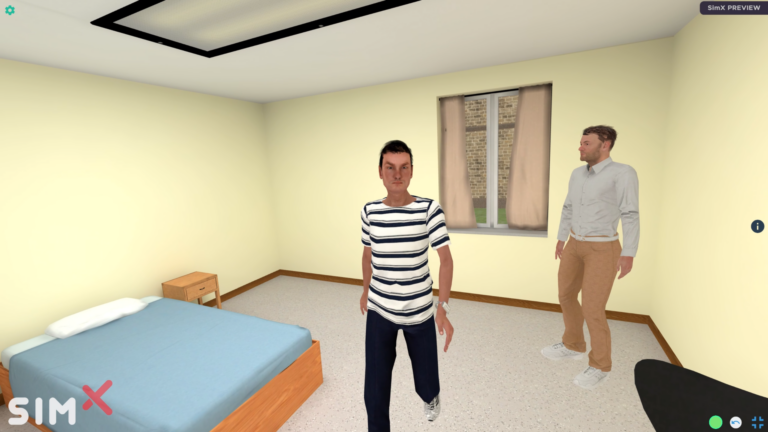
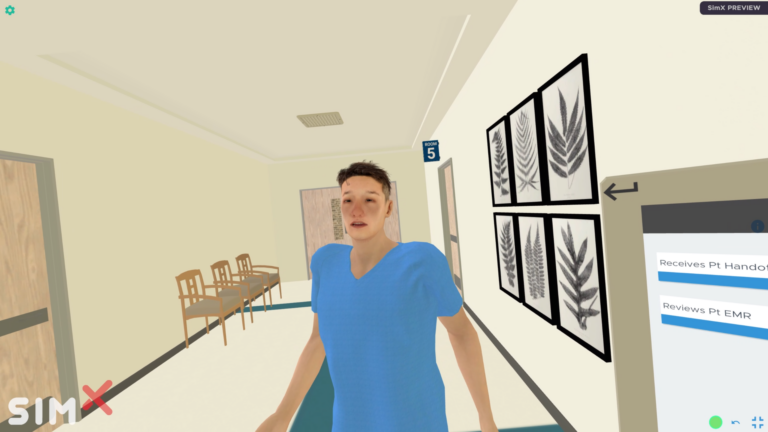
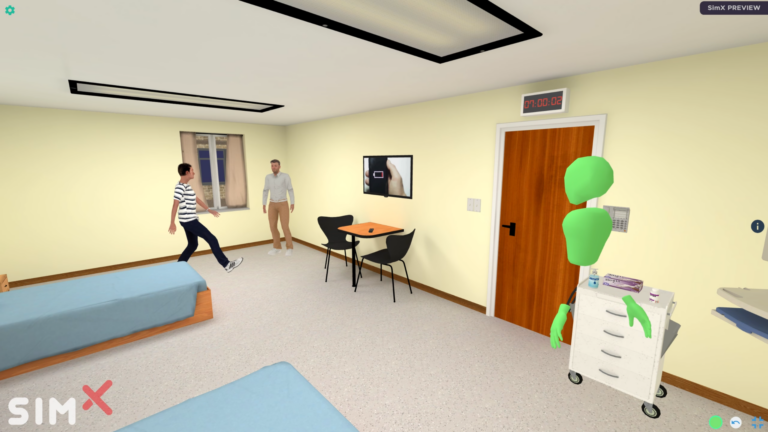
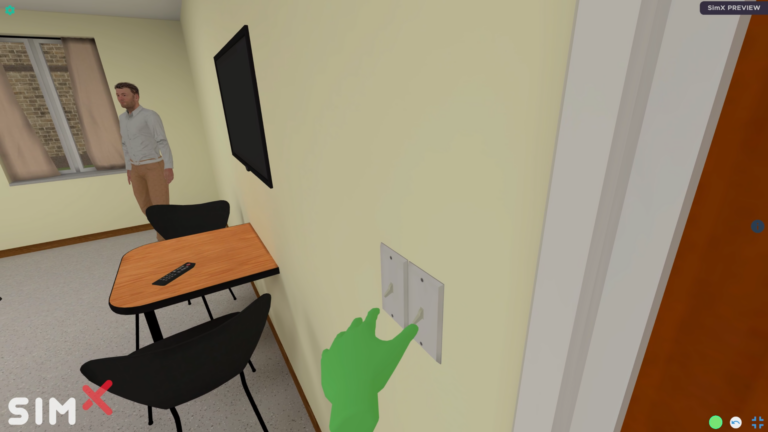
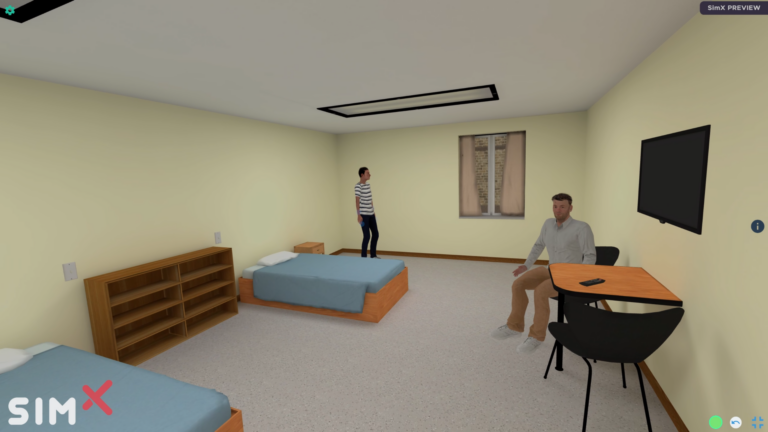
A young adult male is admitted to the psychiatric unit with symptoms of acute mania. The patient has just been diagnosed with Bipolar I and...
Nursing Essentials: Hygiene and Daily Cares
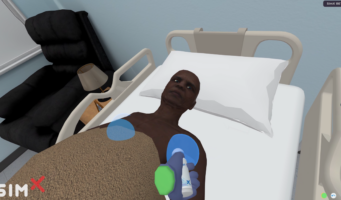
California State University, Los Angeles SimXAn 83-year-old female was admitted to a high-acuity Skilled Nursing Facility (SNF) 25 days ago after experiencing a significant left-sided ischemic stroke. She has significant right-sided deficits and requires assistance completing Activities of Daily Living (ADLs). In this scenario, learners must assist a dependent patient in completing daily cares, including...
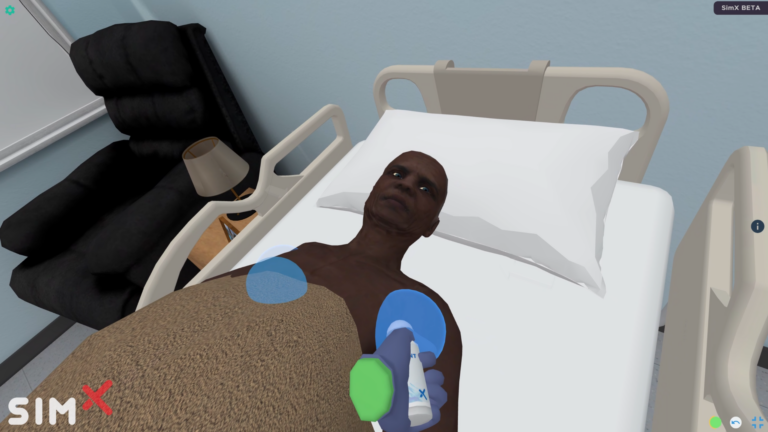
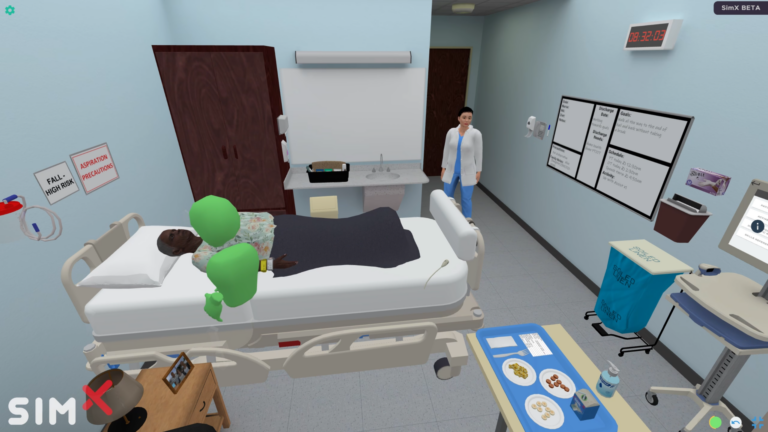
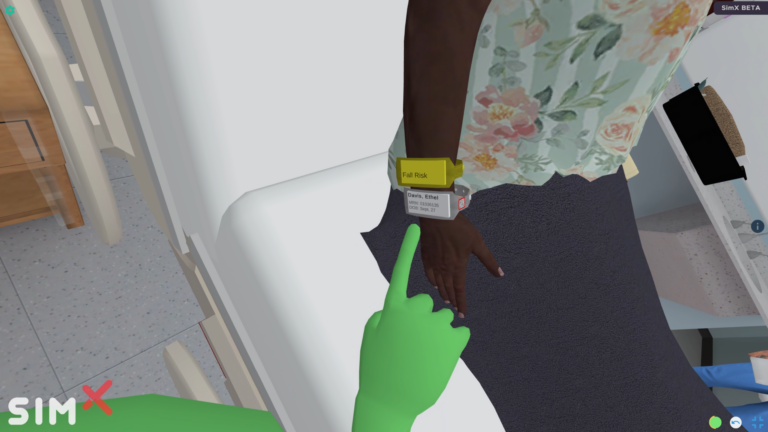
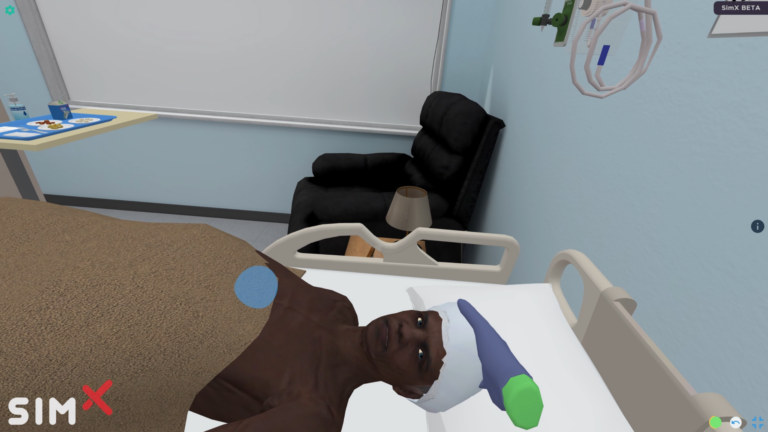
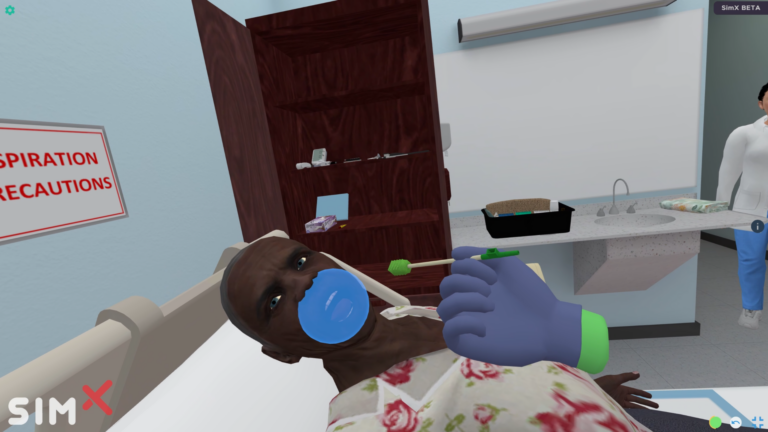
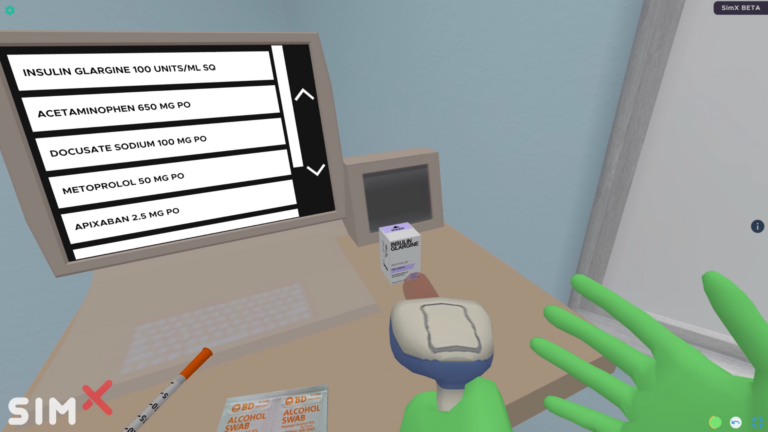
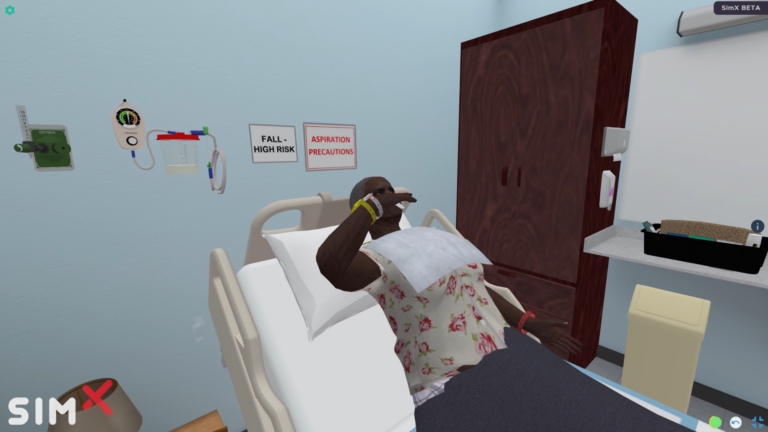
An 83-year-old female was admitted to a high-acuity Skilled Nursing Facility (SNF) 25 days ago after experiencing a significant left-sided ischemic stroke. She has significant...
Nursing Essentials: Gastric Decompression and Specimen Collection
California State University, Los Angeles SimXA 75-year-old male patient with active hematemesis is admitted to the emergency department. The patient has a history of Coumadin and NSAID use. In this scenario, learners must complete a focused abdominal assessment, implement fluid resuscitation, and initiate an anticoagulant reversal protocol. Essentials procedural skills include nasogastric tube insertion, pH...
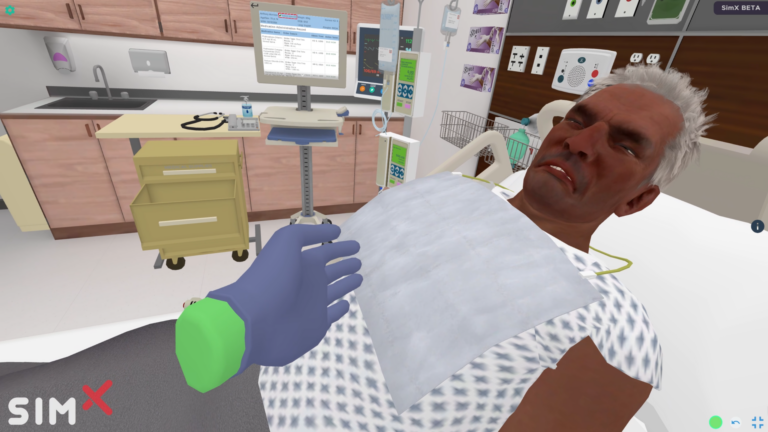

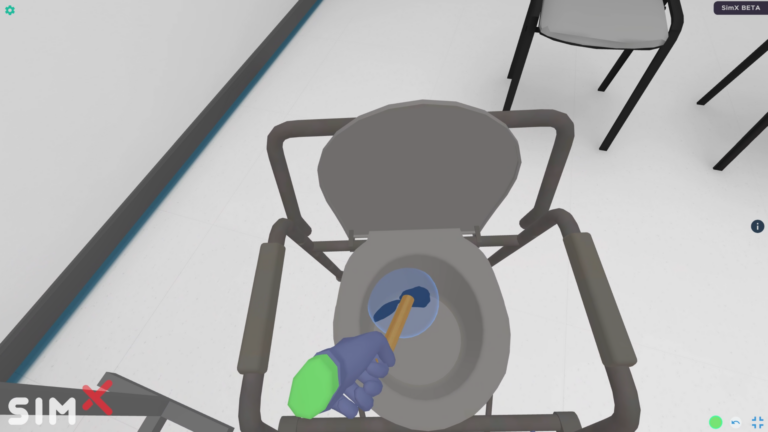
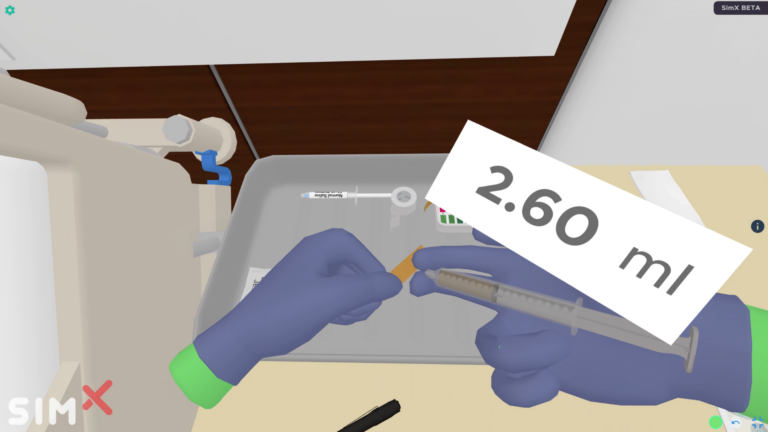
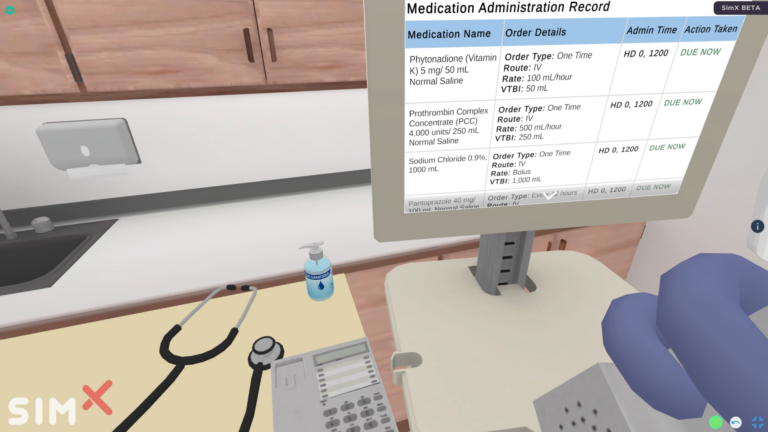
A 75-year-old male patient with active hematemesis is admitted to the emergency department. The patient has a history of Coumadin and NSAID use. In this...
Nursing Essentials: Postoperative Pain Management and Respiratory Care
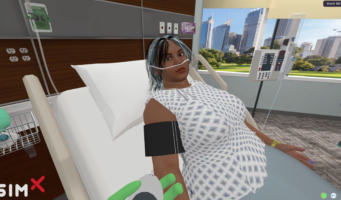
California State University, Los Angeles SimXA 58-year-old female who underwent a right-sided video-assisted thoracoscopic surgery resection earlier today is admitted to the medical-surgical unit following an uneventful stay in the post-anesthesia care unit. The patient is experiencing significant "stabbing" pain at the surgical site. In this scenario, learners must complete a focused postoperative assessment, manage...

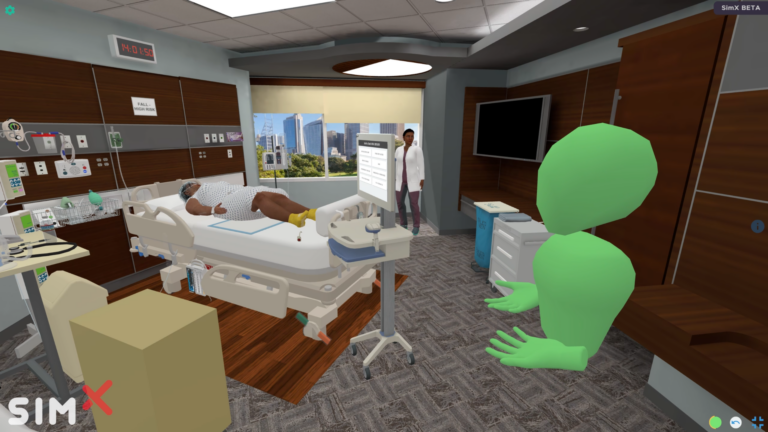


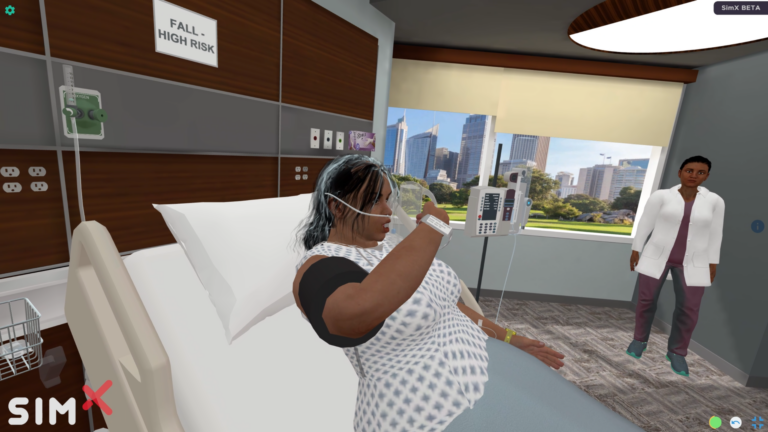

A 58-year-old female who underwent a right-sided video-assisted thoracoscopic surgery resection earlier today is admitted to the medical-surgical unit following an uneventful stay in the...
Nursing Essentials: Airway Management and Oxygen Therapy
California State University, Los Angeles SimXA 78-year-old female was admitted to the hospital overnight from her long-term care facility with suspected influenza. She has an established tracheostomy due to a history of laryngeal cancer and a subsequent partial laryngectomy 5 years ago. In this scenario, learners will need to obtain a specimen sample from the...
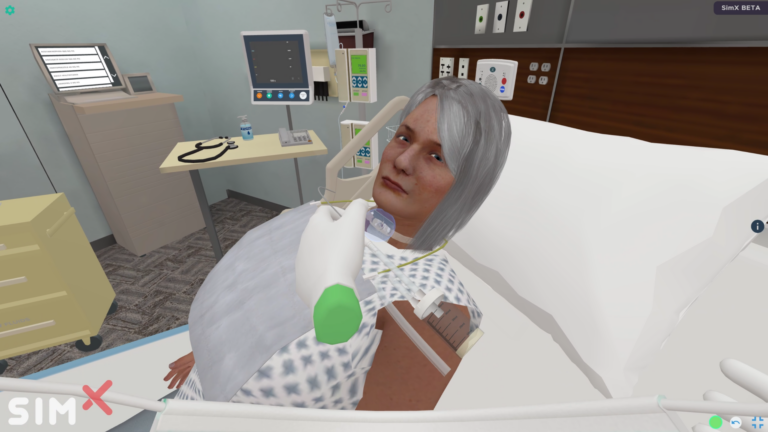
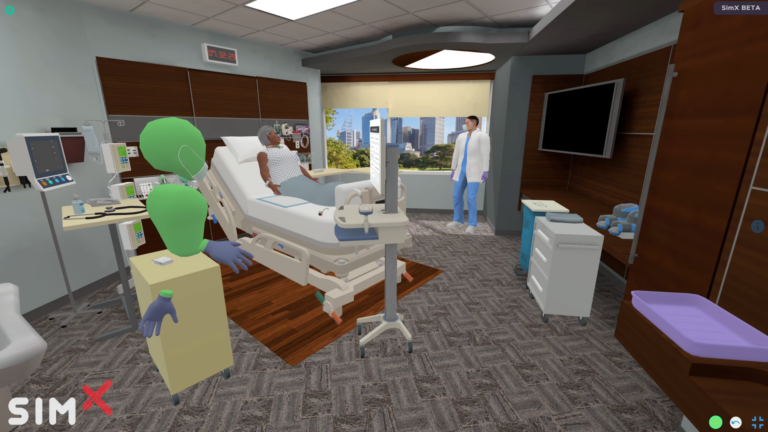
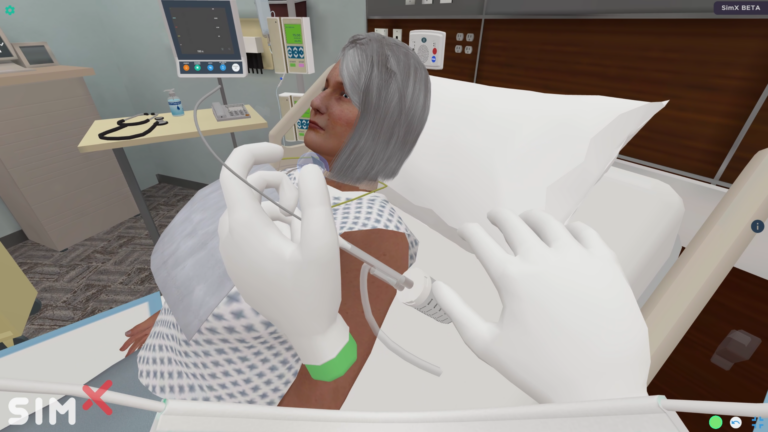
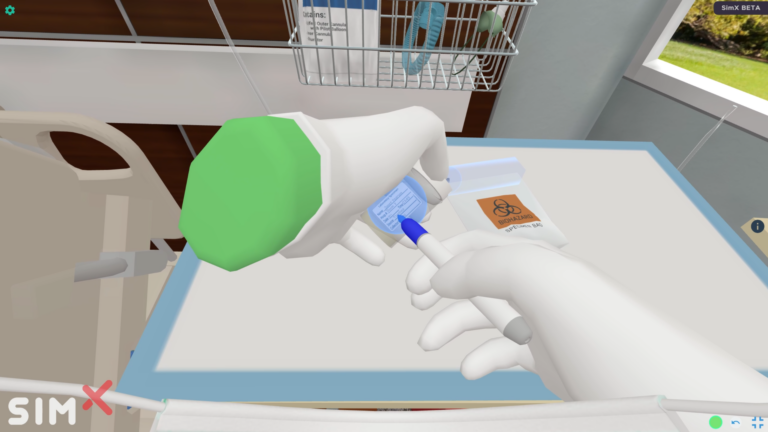
A 78-year-old female was admitted to the hospital overnight from her long-term care facility with suspected influenza. She has an established tracheostomy due to a...
Nursing Essentials: Urinary Output and Elimination
California State University, Los Angeles SimXAn 86-year-old male was admitted the medical-surgical unit for altered mental status secondary to a urinary tract infection. The patient is pleasant but disoriented to place and time and experiencing urinary retention due to Benign Prostatic Hyperplasia (BPH). In this scenario, learners must complete a focused assessment, manage care for...
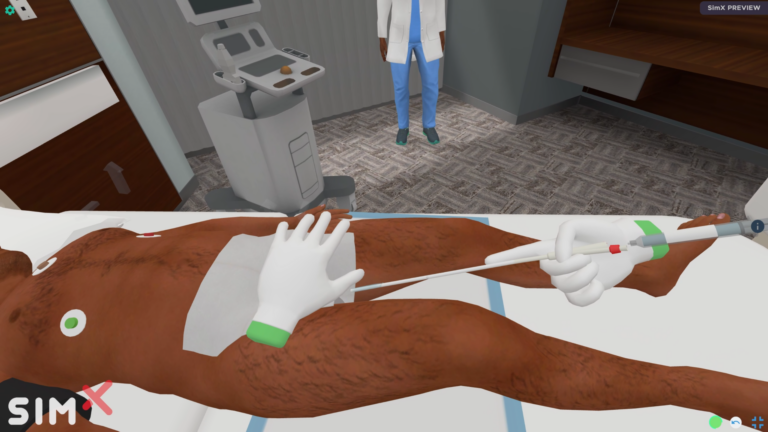
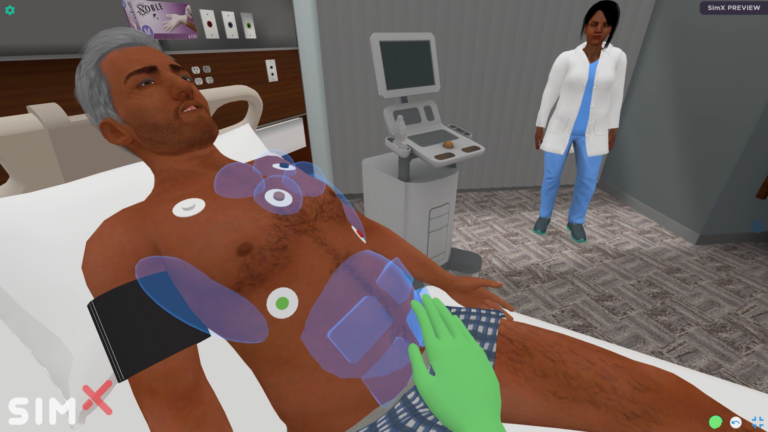
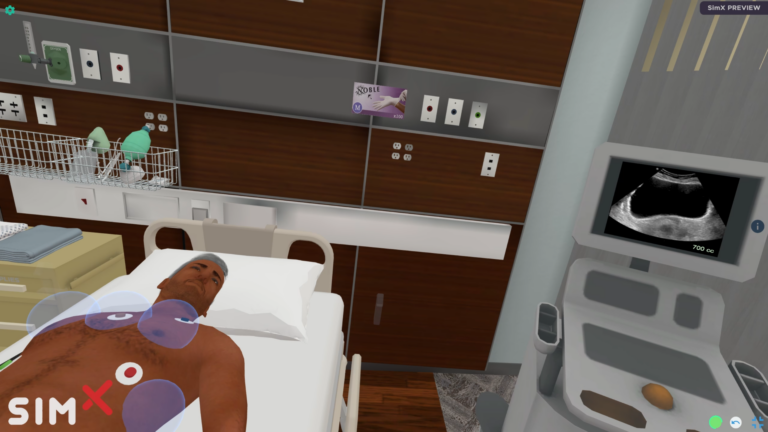
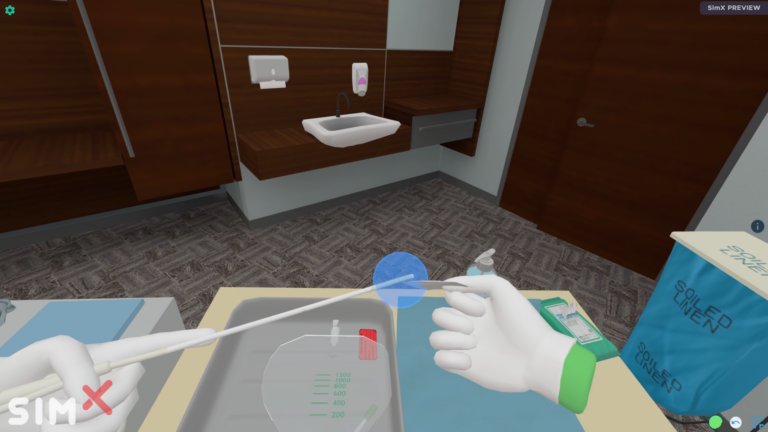
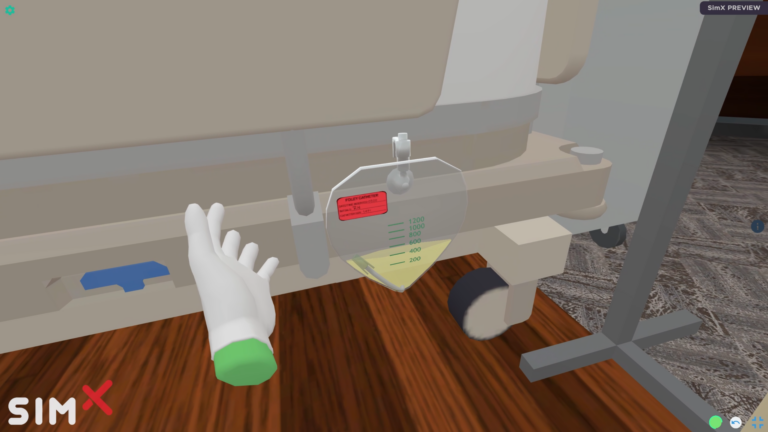
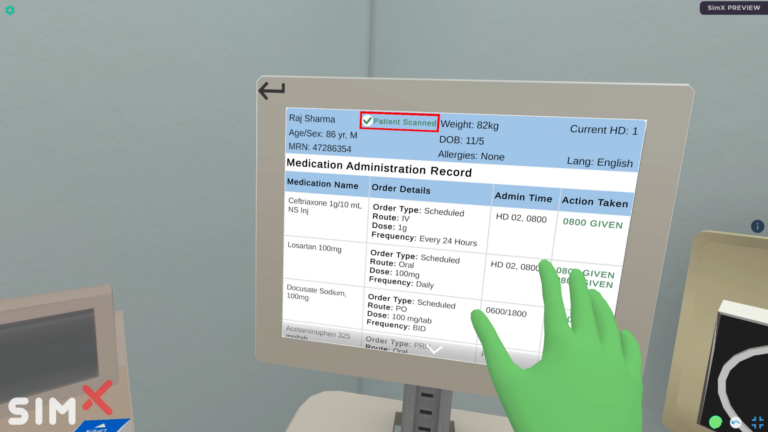
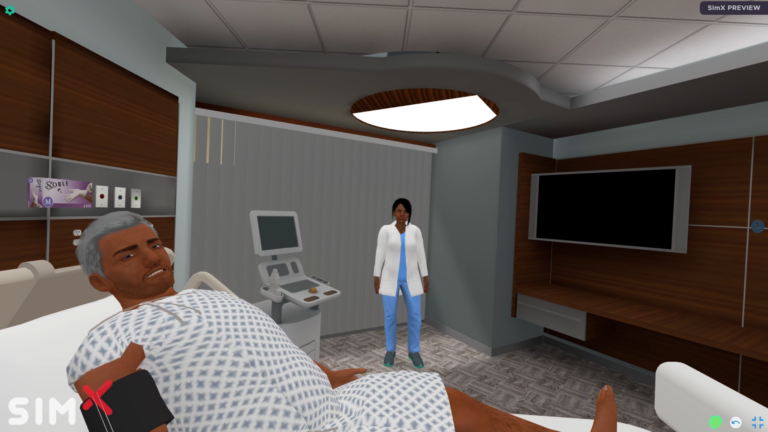
An 86-year-old male was admitted the medical-surgical unit for altered mental status secondary to a urinary tract infection. The patient is pleasant but disoriented to...
Nursing Essentials: Colostomy and Palliative Care Management
California State University, Los Angeles SimXA 42-year-old male with stage IV colorectal cancer has recently been transferred to a long-term care facility for palliative care management. In this scenario, learners must manage care for a terminally ill patient with a colostomy and chronic pain, balancing physical and psychosocial needs. This scenario has been designed for...
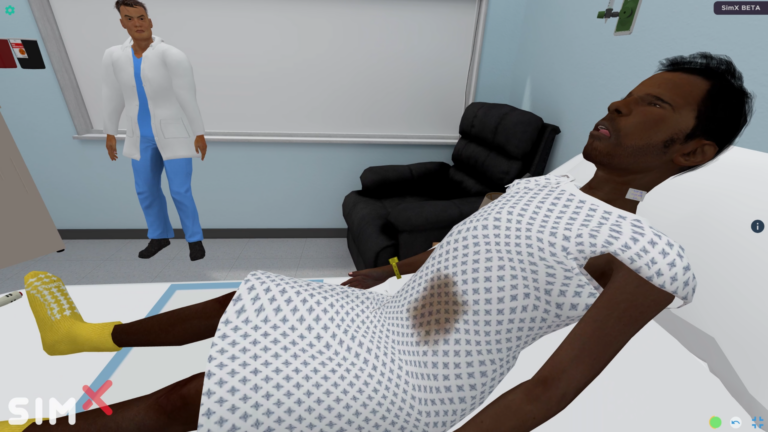
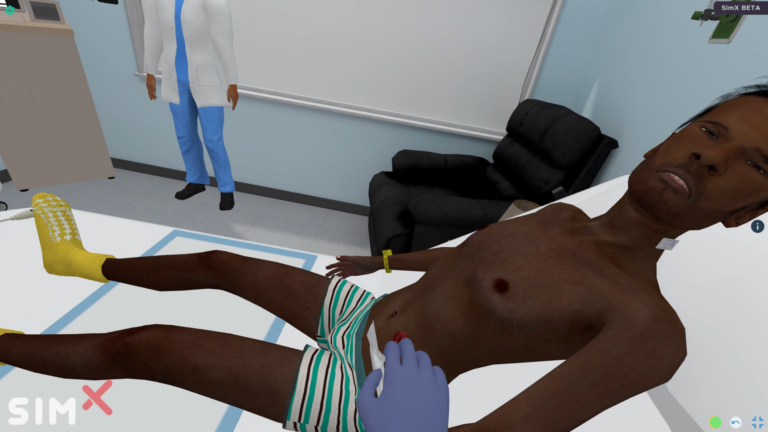
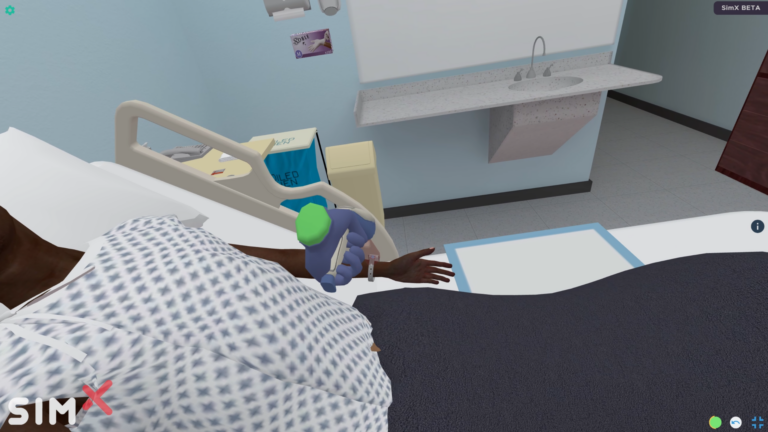
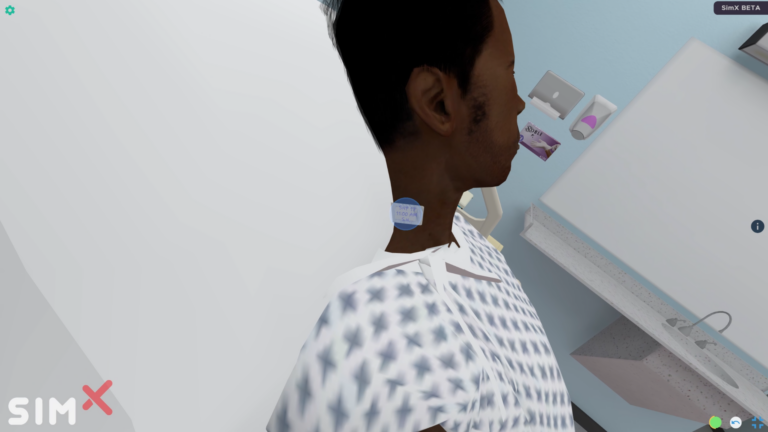
A 42-year-old male with stage IV colorectal cancer has recently been transferred to a long-term care facility for palliative care management. In this scenario, learners...
Nursing Essentials: IV Access and Medication Administration
California State University, Los Angeles SimXA 56-year-old female was admitted to the oncology unit 8 days ago for chemotherapy management and supportive care due to treatment complications following a recurrence of breast cancer. She has a past history of a right-sided mastectomy with axillary lymph node removal. She has a left-sided tunneled central venous catheter...
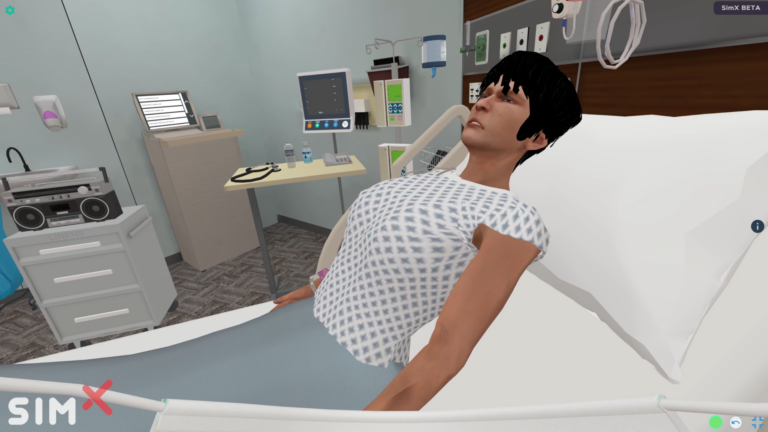
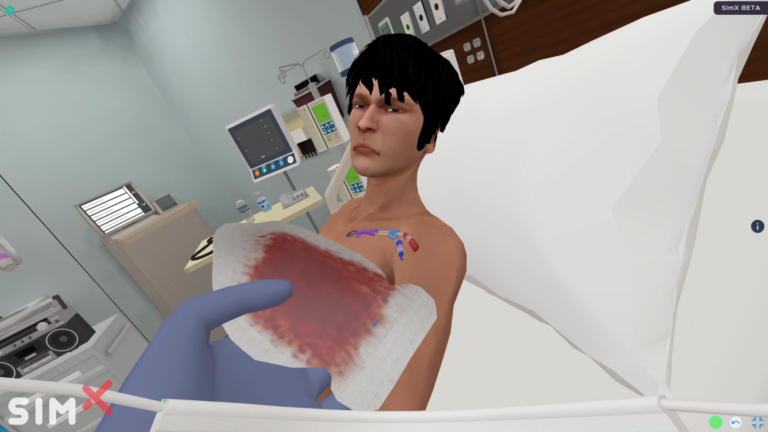

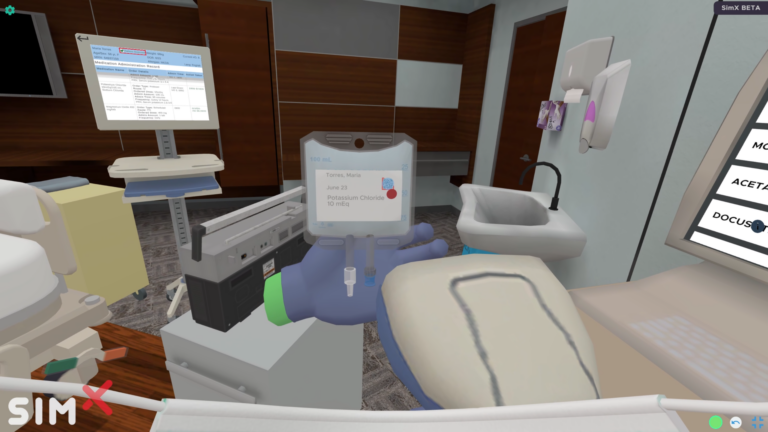
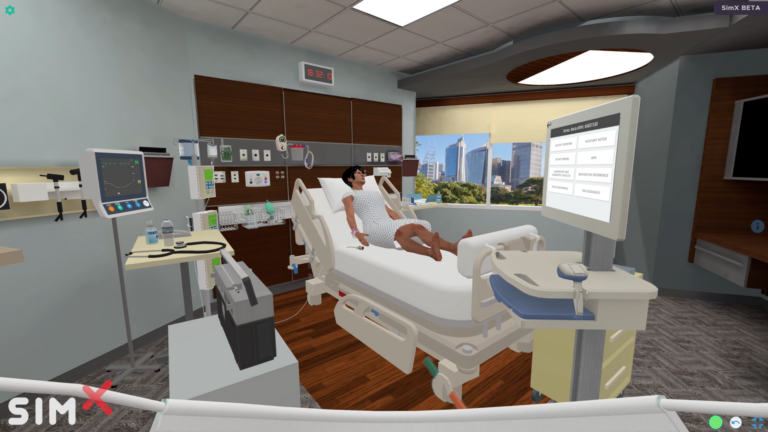
A 56-year-old female was admitted to the oncology unit 8 days ago for chemotherapy management and supportive care due to treatment complications following a recurrence...
Nursing Essentials: Infection Control and Patient Safety
California State University, Los Angeles SimXA 76-year-old male is admitted to the medical-surgical unit three days after abdominal surgery. Over the past two days, he has developed a fever, increased wound drainage, and escalating confusion, repeatedly attempting to remove his IV line. A wound culture returns positive for MRSA, requiring contact precautions. Despite IV antibiotics...
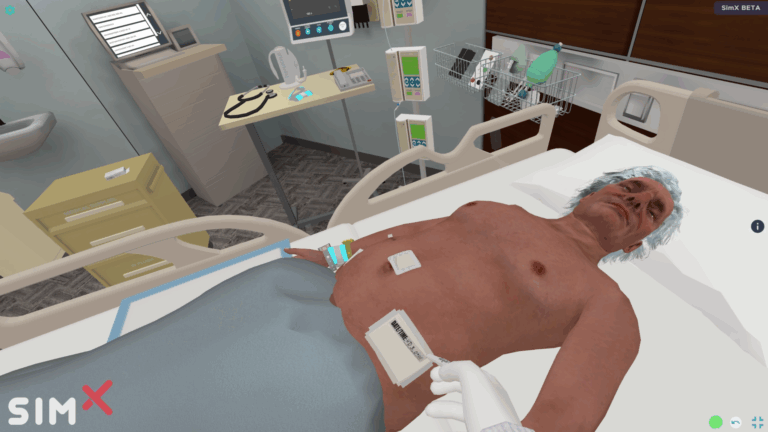
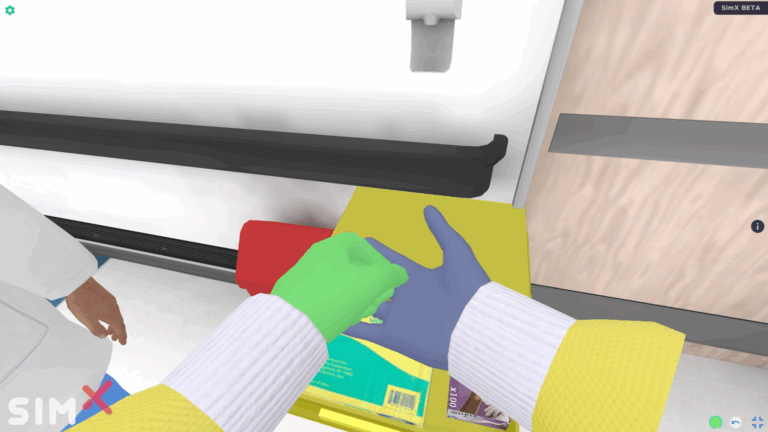
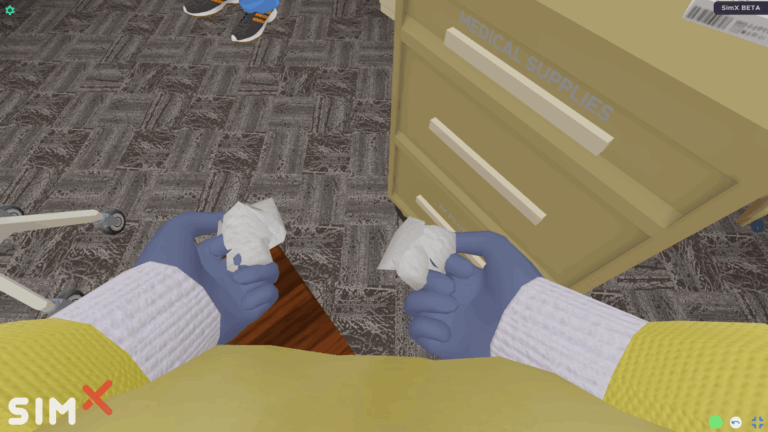
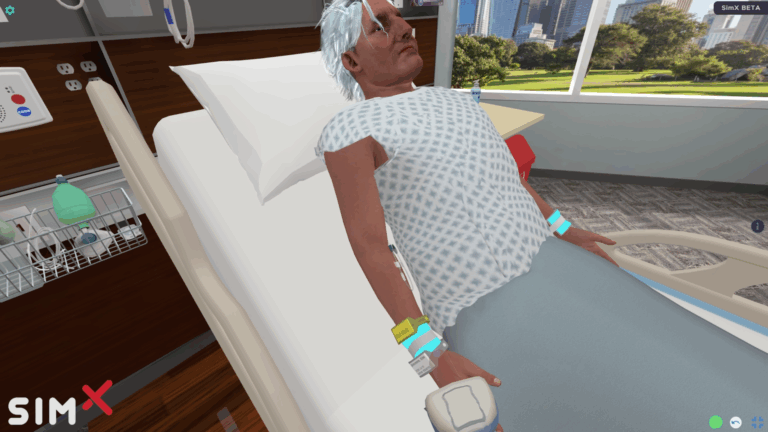
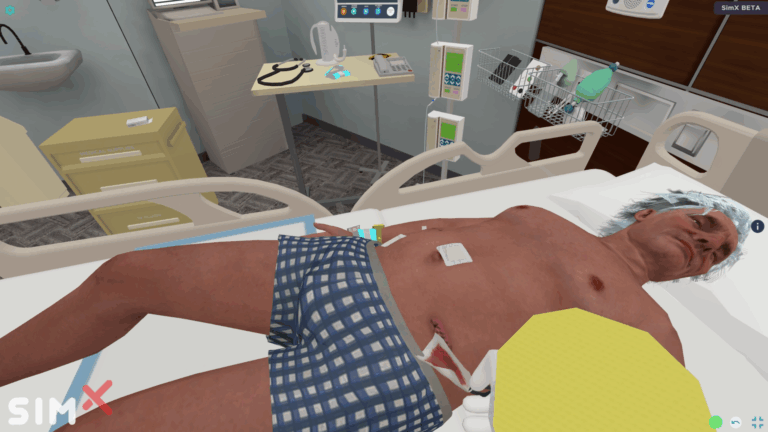
A 76-year-old male is admitted to the medical-surgical unit three days after abdominal surgery. Over the past two days, he has developed a fever, increased...